

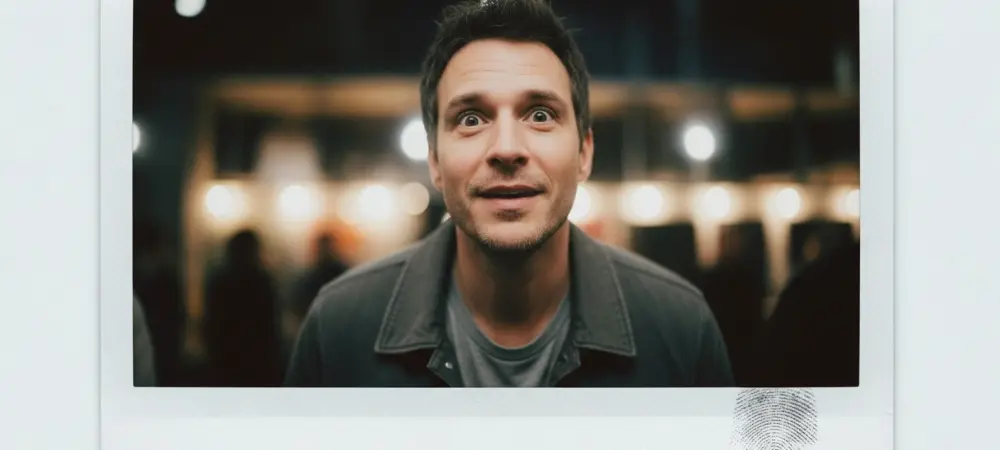
I’m thrilled to sit down with Dominic Jainy, a seasoned IT professional whose deep expertise in artificial intelligence, machine learning, and blockchain has positioned him as a leading voice in tech innovation. With a passion for exploring how cutting-edge tools can transform creative industries, Dominic has been at the forefront of using AI for image generation, particularly with tools like Gemini AI. Today, we’re diving into the fascinating world of AI-generated Polaroid-style celebrity photos, discussing the technology behind them, the allure of retro aesthetics, and how anyone can tap into this nostalgic trend with the right approach.
How would you describe Gemini AI and its role in creating unique images like Polaroid-style photos?
Gemini AI is a powerful tool for generating images from text prompts, and it’s particularly impressive in how it interprets detailed instructions to create visuals. It leverages advanced algorithms to understand context and style, allowing users to craft images that mimic specific aesthetics, like the iconic Polaroid look. Essentially, you input a description—say, a celebrity in a vintage setting with soft tones and grainy texture—and the AI translates that into a realistic image by drawing on patterns it’s learned from vast datasets. It’s a game-changer for anyone looking to blend creativity with technology.
What sets Gemini AI apart from other image generation tools you’ve worked with?
What really makes Gemini AI stand out is its ability to handle nuanced prompts with a high degree of accuracy. Many tools struggle with fine details, but Gemini excels at capturing subtle elements like lighting or texture—key for something like a Polaroid effect. Its understanding of context also means it can adapt to varied styles, whether it’s a retro snapshot or a modern portrait. Plus, it’s user-friendly, so even those without deep tech knowledge can experiment and get impressive results.
Why do you think Polaroid-style photos have seen such a resurgence in popularity recently?
I think it’s all about nostalgia. In a world where digital images are often over-polished and perfect, Polaroids offer a raw, authentic feel that reminds us of simpler times. That soft, faded look and the sense of a captured moment resonate deeply, especially on social media where people crave something different. It’s a way to stand out amidst the flood of high-def content, and it taps into a shared longing for the past—think flipping through old family albums. That emotional pull is hard to replicate.
How does combining retro aesthetics with modern AI tools enhance the appeal of these images?
The fusion of retro and modern tech is pure magic. AI allows us to recreate that vintage Polaroid charm without needing old cameras or film, making it accessible to everyone. You get the warmth and imperfection of the past, but with the speed and versatility of today’s tools. It’s like having a time machine at your fingertips—users can imagine their favorite celebrities in an ‘80s party scene or a candid café moment, and AI makes it happen instantly. That blend of old and new sparks curiosity and creativity in a unique way.
What specific features of Gemini AI help in crafting realistic Polaroid-style celebrity photos?
Gemini AI’s strength lies in its attention to detail. It can replicate the signature Polaroid elements—like soft flash lighting, warm color tones, and that slightly grainy texture—that make these images feel authentic. It also understands contextual cues, so if you describe a celebrity in a specific setting, it adjusts the background and mood accordingly. The tool’s ability to layer these subtle effects based on your prompt ensures the output doesn’t just look retro, but feels like a genuine snapshot from decades ago.
Could you share an example of a prompt that works well for a casual celebrity Polaroid shot?
Absolutely. A great prompt for a casual shot might be: “A Polaroid photo of a well-known actor relaxing at a sunny outdoor café, wearing a simple t-shirt and jeans, with soft faded colors and a slightly blurred background of tables and people.” This sets up a candid, relatable vibe. The key is to include specifics about the setting, clothing, and photo style—mentioning ‘soft faded colors’ cues the AI to mimic Polaroid’s signature look, while the casual details make it feel personal and unposed.
How can people creatively use these AI-generated Polaroid-style celebrity images in their projects?
There are so many fun ways to use these images! On social media, they’re a fantastic way to grab attention—posting a retro-style photo of a celebrity with a clever caption can spark engagement because it’s so unique. Beyond that, they’re perfect for fan art or collages, where you can mix multiple shots to tell a story. Designers might incorporate them into mood boards for inspiration, while bloggers could use them to add a quirky, nostalgic touch to entertainment content. They’re versatile for anything that needs a personal or vintage flair.
What advice would you give to beginners trying to create vintage-style photos with Gemini AI?
Start with clarity in your prompts—be as descriptive as possible. Mention the style explicitly, like ‘Polaroid photo,’ and add details about lighting, colors, and setting to guide the AI. Don’t shy away from experimenting; sometimes tweaking a single word can change the whole vibe of the image. A common pitfall to avoid is being too vague—broad prompts often lead to generic results. Also, take time to review and refine. If the first output isn’t quite right, adjust your description and try again. Patience pays off with tools like this.
How do you see AI tools like Gemini bridging the gap between cutting-edge technology and nostalgic aesthetics?
AI is incredible in how it can straddle both worlds. It’s inherently futuristic, yet it lets us revisit the past by recreating styles like Polaroid with uncanny accuracy. For users, this duality is exciting—it feels like you’re innovating while honoring history. Beyond Polaroids, I think AI could easily tackle other vintage looks, like sepia-toned portraits or grainy VHS stills. The ability to merge modern precision with old-school charm opens up endless creative possibilities, making tech feel more human and relatable.
What is your forecast for the future of AI in blending nostalgia with digital creativity?
I’m really optimistic about where this is headed. I believe AI will continue to refine its ability to recreate nostalgic aesthetics with even greater depth—think not just static images, but animated retro-style clips or interactive experiences. As tools become more intuitive, we’ll see a surge in personalized content, where anyone can craft their own vintage-inspired art or storytelling. The line between past and present will blur further, and I expect AI to become a key player in how we preserve and reimagine cultural memories in the digital age.