

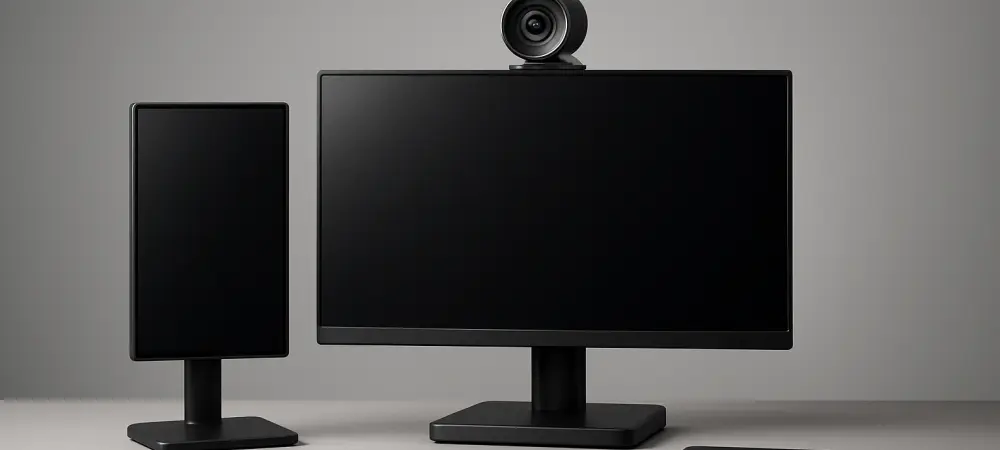
The flicker of a low-resolution webcam and the scratchy feedback of a built-in laptop microphone have transformed from minor annoyances into significant liabilities for the modern professional operating in a landscape where digital presence is the only presence. As the corporate world moves deeper into a permanent hybrid model, the quality of interaction has become a primary differentiator of organizational success. The kitchen table or the occasional hot desk now functions as a primary boardroom, shifting the burden of communication from physical proximity to the sophisticated hardware sitting on these varied surfaces. This transition marks a fundamental change in how professional identity is constructed and maintained in a decentralized work environment.
The End of the Grainy Webcam Era
The period of making do with subpar peripheral equipment has officially reached its conclusion as enterprises realize that technical quality is synonymous with professional credibility. In the early stages of the transition to remote work, employees relied heavily on the rudimentary tools built into their portable computers, but the standard has shifted toward enterprise-grade solutions. This evolution is not merely about increasing pixel counts or adding more microphones; it represents a commitment to cultural parity between those in the office and those working from home. When a remote employee appears as a blurred or poorly lit figure on a screen, it creates a subtle but persistent hierarchy that favors those present in the physical room.
High-definition video and specialized audio devices have become the new baseline for professional equity. By investing in dedicated hardware, companies are actively closing the chasm that once separated the home office from the executive suite. The shift involves a move toward hardware that offers consistent, high-fidelity input, ensuring that every team member is seen and heard with total clarity. This is no longer a matter of personal preference but a strategic effort to maintain the integrity of professional interactions. As high-quality video becomes the norm, the standard for what constitutes an acceptable digital presence continues to rise, leaving behind those who remain tethered to aging, consumer-grade technology.
Why Specialized Hardware Has Become a Strategic Necessity
While the initial surge in remote collaboration was fueled by software platforms, it has become evident that software can only do so much to compensate for poor hardware input. Specialized video hardware has emerged as a critical infrastructure investment rather than a peripheral luxury, primarily because it addresses the growing issue of “meeting fatigue.” High-quality audio and video significantly reduce the cognitive load on participants. When the brain does not have to work as hard to decode muffled speech or interpret grainy facial expressions, engagement levels remain higher for longer periods. Reducing the frustration inherent in poor connectivity is essential for maintaining a productive and satisfied workforce.
Furthermore, the rise of hot-desking and shared workspaces has necessitated a new class of agile hardware. In environments where employees no longer have a permanent desk, the equipment must be capable of turning any generic workstation into a personalized hub instantly. This transition toward flexible infrastructure allows organizations to maximize their real estate while providing employees with the tools they need to perform at their best. The professional identity of an individual is now portable, supported by hardware that recognizes them and connects them to their workflow the moment they arrive at a desk. This level of integration ensures that the technology facilitates the work rather than acting as a barrier to it.
The Technological Pillars of the Modern Hybrid Setup
To effectively bridge the distance between remote locations and the corporate office, manufacturers are focusing on three distinct pillars of hardware innovation that transcend the capabilities of a standard PC. The first pillar is the integration of artificial intelligence within the devices themselves. Features like autoframing and intelligent noise suppression have become essential. These technologies use advanced algorithms to ensure that the speaker remains the focal point of the camera, automatically adjusting the crop and focus while filtering out background distractions such as household noises or street traffic. This allows for a more natural and focused conversation that mimics the intimacy of an in-person meeting.
The second pillar is the rise of all-in-one desktop systems and dedicated companion devices. These units, such as integrated video bars or portrait-oriented screens, replace the chaotic mess of cables and multiple peripherals that characterized earlier remote setups. By offloading the heavy processing of video calls to dedicated hardware, the user can reserve their laptop for note-taking and presentations. This dual-device approach enhances productivity and ensures that the video stream remains stable even during resource-intensive tasks. Finally, innovation is focusing on mobility within the home. New hardware designs prioritize a slim footprint and ease of movement, allowing an employee to transition from a dedicated workspace to a quieter corner of the residence without compromising the quality of a high-stakes call.
Expert Perspectives on Management and Human Connection
Industry experts from organizations like Cisco, Logitech, and Neat argue that the true value of enterprise-grade hardware lies in areas that are not always visible on the screen, particularly IT oversight and psychological well-being. From an IT perspective, the advantage of managed hardware is immense. Enterprise-grade gear allows technology departments to troubleshoot, register, and configure devices remotely, significantly reducing the downtime that occurs when employees use unmanaged consumer products. This centralized oversight ensures that the entire fleet of devices remains updated and functional, providing a level of reliability that is impossible to achieve with a patchwork of individual purchases.
Beyond the technical benefits, there is a profound psychological impact to using high-quality hardware. When an employee feels that they appear clear and professional to their colleagues, their confidence and sense of belonging increase. Hardware acts as a Great Equalizer, ensuring that remote participants possess the same visual and auditory “presence” as those sitting in a physical boardroom. Experts point out that all-in-one devices also eliminate technical points of failure, such as loose cables or incompatible drivers, which often lead to pre-meeting anxiety. By streamlining the experience, the technology becomes invisible, allowing for a more authentic human connection that is focused on the content of the discussion rather than the mechanics of the connection.
Strategies for Building a High-Performance Hybrid Environment
Transitioning to a hardware-first hybrid strategy requires a structured framework for deployment that goes beyond simple procurement. Organizations must begin by assessing user personas to ensure that the right equipment reaches the right people. Not every staff member requires a 4K touchscreen interface; instead, companies should categorize employees into roles such as power users, casual collaborators, or virtual receptionists. This tiered deployment strategy allows for the efficient allocation of resources while ensuring that those with high-intensity communication needs have the robust tools required for their specific functions. Matching the hardware to the daily realities of the role is the first step toward a successful long-term hybrid strategy.
The integration of hardware with workplace provisioning software has also become a cornerstone of the modern office. To make shared-desk models work, the video devices must be linked to the company’s scheduling systems. This allows an employee to reserve a desk and have the hardware automatically sync with their personal calendar and contacts upon arrival. Furthermore, prioritizing ecosystem compatibility is essential. Choosing vendors that offer a complete suite of integrated tools—from cameras and headsets to routers with cellular backup—ensures that the home office remains as resilient and manageable as the corporate headquarters. This holistic approach prevents the technical silos that often lead to communication breakdowns in a distributed workforce. The transition toward hardware-centric hybrid models ultimately provided the necessary stability for the era of flexible work. Organizations that prioritized high-fidelity equipment found that technical disruptions decreased, while employee engagement metrics reached new peaks. This strategic shift successfully bridged the gap between home and corporate environments, ensuring that every participant had an equal seat at the table regardless of their physical location. Managers took proactive steps to audit their current hardware fleets and replaced aging consumer gear with enterprise-grade solutions that offered centralized management. These initiatives proved to be the most effective way to foster a culture of professional excellence and long-term operational resilience.