

The inclusion of the Intel Core Ultra 5 125U processor marks a significant shift toward the Meteor Lake architecture, bringing a dedicated Neural Processing Unit to the mid-range mini PC segment. While the compact desktop market has often been defined by utilitarian designs and recycled components, the Acer Revo RB-102 seeks to redefine the category by merging advanced silicone with lifestyle-oriented aesthetics. This device is not merely another small form factor computer intended to hide behind a monitor; it is a deliberate statement piece designed for modern interiors where technology must coexist with furniture. Priced at approximately £589, it positions itself above the entry-level budget boxes but below the high-performance workstation tier. The introduction of an NPU-enabled chipset reflects a growing industry trend toward localized AI processing, ensuring that even mid-range hardware can handle complex background tasks with greater efficiency than previous generations could ever achieve.
Examining the Physical Build and Connectivity
Aesthetic Innovation: The Fabric-Adorned Chassis
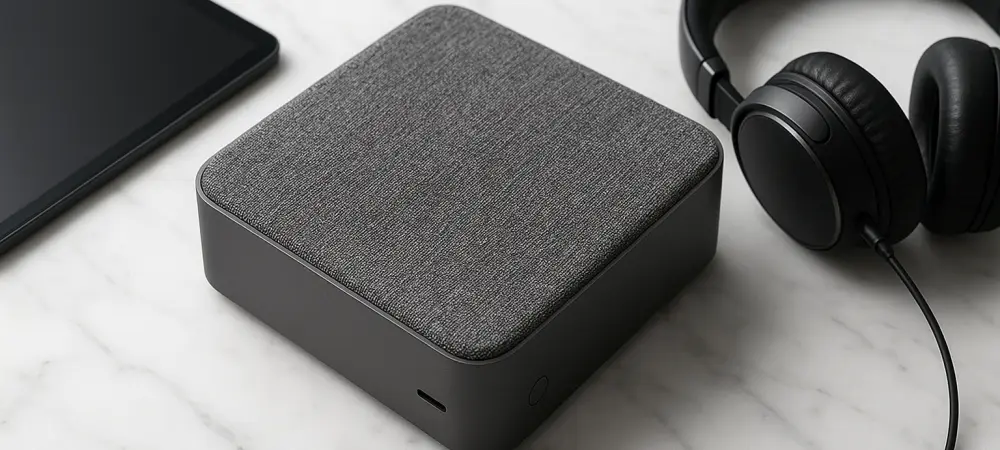
The fabric top is the most striking visual element of the chassis, effectively softening the sharp lines usually associated with consumer electronics. This black felt material offers a tactile quality that invites interaction, moving the hardware away from the cold, industrial feel of brushed aluminum or matte plastic. Measuring exactly 131mm square and weighing less than half a kilogram, the unit is exceptionally portable, though its visual appeal suggests it should remain a permanent fixture on a desk. This lifestyle design language is particularly effective in residential settings or shared office spaces where a harsh-looking machine might disrupt the room’s atmosphere. Acer has successfully created a product that looks more like a high-end speaker or a piece of designer décor than a traditional computer tower. The choice of materials suggests a focus on the user experience beyond mere specifications, prioritizing the physical environment in which the device operates daily.
Despite the aesthetic success of the fabric finish, the physical build introduces certain practical challenges that potential owners must consider. Placing the machine prominently on a desk, as the design encourages, makes the cabling strategy more critical than it would be for a hidden unit. The overall footprint is small enough to fit into almost any workspace, yet the build quality feels sturdy enough to withstand regular handling. While the felt top is durable, it does require different maintenance than plastic, as it can trap dust more easily over long periods of operation. This design choice represents a calculated risk, trading the ease of a wipe-down surface for a more sophisticated and modern appearance. The compact nature of the chassis also means that internal airflow is managed through a carefully engineered cooling system that remains remarkably quiet even under load. This silent operation complements the understated visual design, ensuring that the machine never becomes a distraction.
Connectivity and Practical Limitations
Connectivity options on the Revo RB-102 are comprehensive for its size, yet the arrangement of ports reveals a prioritization of accessibility over clean cable management. The rear panel features a standard assortment including two USB-A 3.2 Gen 2 ports, an HDMI 2.1 port, and a DisplayPort 2.1, providing ample support for dual-monitor setups and legacy peripherals. However, the decision to place the solitary Thunderbolt 4 USB-C port on the front panel is a point of contention for users who prefer to keep their primary high-speed connections tucked away. While this placement makes it easy to plug in a portable drive or a smartphone, it often results in a cable trailing across the desk, which somewhat undermines the clean aesthetic of the fabric-topped unit. For a machine that markets itself as a lifestyle product, a secondary USB-C port on the rear would have been a significant improvement for semi-permanent docking solutions or high-speed networking adapters.
Beyond the USB configuration, the absence of an integrated SD card reader is a notable omission for creative hobbyists who might otherwise find this machine appealing for light photo editing. In an era where digital photography and social media content creation are ubiquitous, requiring an external dongle for basic file transfers feels like a missed opportunity in an otherwise modern design. Furthermore, the reliance on a barrel-style DC power connector rather than USB-C Power Delivery is a common but disappointing trait in the mid-range mini PC market. This means users must keep track of a specific power brick rather than utilizing a universal charger that might already be powering their other mobile devices. Despite these minor frustrations, the wireless connectivity is top-tier, featuring Wi-Fi 7 and Bluetooth 5.4, ensuring that the device remains compatible with the fastest networking standards available today. These wireless capabilities help mitigate the need for physical ports for many users.
Core Architecture and Performance Value
Underneath the stylish exterior, the Intel Core Ultra 5 125U provides the heavy lifting with its 12-core, 14-thread configuration, optimized for the low-power U-series envelope. This processor is part of the Meteor Lake family, which integrates specialized AI acceleration directly into the silicon via the NPU. This architectural shift allows the system to offload demanding background tasks, such as noise cancellation or video background blur, without taxing the primary CPU or GPU cores. For daily productivity, this results in a snappier response time when navigating Windows 11 and using AI-enhanced office suites. The inclusion of 8GB of LPDDR5X RAM and a 512GB NVMe SSD ensures that the system meets the baseline requirements for a modern desktop experience. However, as software becomes increasingly resource-intensive, the 8GB memory capacity may serve as a bottleneck for users who frequently juggle dozens of browser tabs alongside heavy productivity applications or creative software suites.
In the final assessment, the Acer Revo RB-102 was a lifestyle-oriented computer that prioritized personality and architectural modernity over the raw multi-core performance found in industrial workstations. It proved to be an ideal solution for users who sought a silent, aesthetically pleasing machine for daily productivity and AI-enhanced office tasks. While it faced considerable pressure from high-spec budget alternatives and the established ecosystem of the Mac Mini, its value was found in its unique physical design and its commitment to Intel’s efficient Meteor Lake design. Home office users who chose this device benefited from a system that complemented their décor while providing specialized hardware for the next generation of local AI applications. Ultimately, the Revo RB-102 demonstrated that small form factor computing could successfully move beyond the utilitarian box, offering a glimpse into a future where hardware is as much a part of the home’s interior design as it is a tool for professional achievement.