

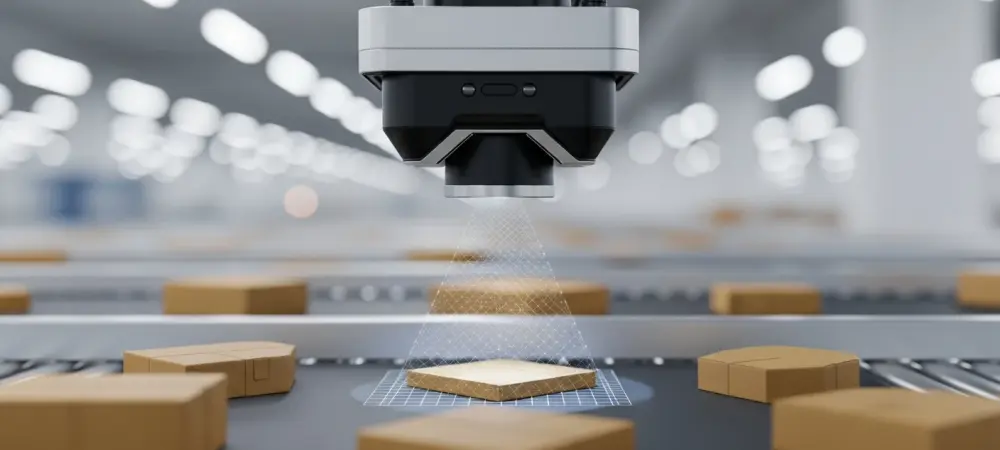
Modern logistics centers frequently encounter a paradoxical hurdle where sophisticated digital sorting systems are let down by antiquated manual packing methods that cannot keep pace with surging consumer expectations. As global shipping volumes continue to climb from 2026 to 2028, the necessity for a seamless transition from warehouse shelves to secure delivery containers has become the primary battleground for operational excellence. TG-Group has recognized that the traditional model, which relies on fixed-size boxes and manual padding, is no longer sustainable due to rising material costs and an increasing emphasis on environmental stewardship. By integrating advanced sensors and real-time data processing, the company is bridging the gap between digital inventory management and physical fulfillment. This shift is not merely about replacing human labor with machines but about creating a responsive ecosystem that adapts to the unique dimensions of every item processed. The result is a dramatic reduction in wasted space and a significant boost in throughput speeds that were previously unattainable with conventional mechanical setups.
Precision Engineering: The Marriage of Computer Vision and Motion Control
At the heart of this transformation lies a sophisticated interplay between high-speed robotic arms and proprietary computer vision algorithms that analyze objects in three-dimensional space within milliseconds. TG-Group utilizes neural networks trained on millions of product variations to determine the optimal orientation and packaging strategy for items ranging from fragile electronics to irregular industrial components. Unlike older systems that require uniform product sizes, these AI-driven units can identify texture, weight distribution, and structural vulnerability, ensuring that each parcel receives the exact level of protection required. This granular level of control is achieved through soft-robotics grippers and precision-guided actuators that mimic the dexterity of a human hand while maintaining the relentless consistency of an industrial machine. Moreover, the integration of edge computing allows these systems to make autonomous decisions on the fly, reducing latency and preventing the common logjams associated with centralized processing. By decentralizing intelligence at the point of packaging, the infrastructure becomes remarkably resilient to changes in product lines or sudden spikes in order volume.
Strategic Implementation: Future-Proofing Global Supply Chains
The successful deployment of these automated systems by TG-Group demonstrated that the key to long-term viability in logistics was found in the harmonious blend of scalability and sustainability. Companies that adopted these integrated AI solutions noticed an immediate decrease in their carbon footprint, as optimized packaging reduced the number of delivery vehicles required on the road. Looking forward, industry leaders should focus on standardized data protocols to ensure that these robotic systems can communicate seamlessly across different stages of the supply chain. Prioritizing modular hardware upgrades will also be essential to keep pace with evolving AI capabilities without requiring a total overhaul of existing facilities. The shift toward intelligent packaging proved that operational efficiency and ecological responsibility were not mutually exclusive goals but rather two sides of the same coin. Moving toward 2027 and beyond, the focus shifted to predictive maintenance models that utilized the vast amounts of data generated by these machines to prevent downtime before it occurred. Investing in workforce retraining emerged as a vital step, ensuring that staff could transition into roles managing and optimizing these complex robotic environments rather than performing repetitive physical tasks.