

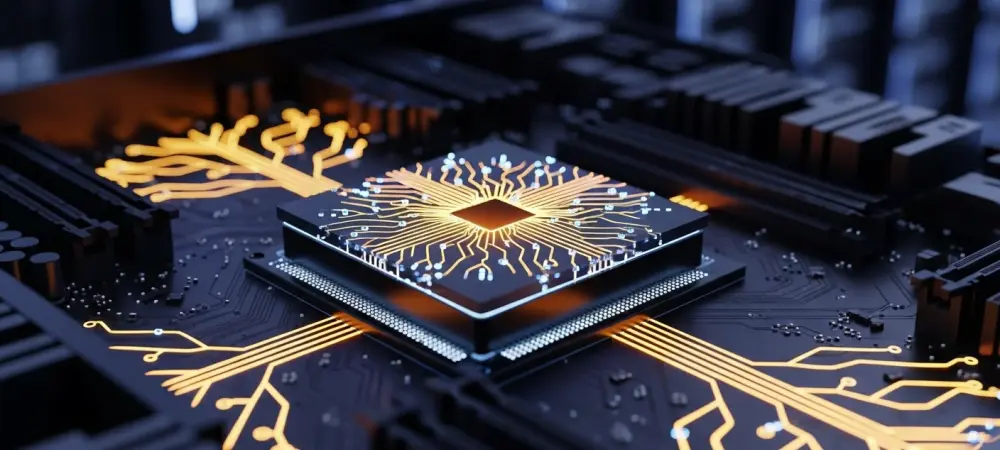
The global semiconductor industry has reached a definitive crossroads where the sheer physical limits of heat dissipation and power consumption are forcing a total rejection of traditional chip architectures in favor of neuromorphic designs. This transition represents a fundamental departure from the von Neumann architecture, which has dictated computing for decades by separating memory and processing functions. In contrast, neuromorphic systems integrate these core components to mimic the massively parallel nature of the human brain, allowing for immediate data interpretation and significantly lower energy requirements. As of 2026, this biologically inspired approach has moved beyond academic experimentation and into large-scale industrial deployment, setting a new standard for how machines perceive and interact with the world. The shift is not merely an incremental upgrade but a radical reorganization of hardware logic that prioritizes efficiency and real-time adaptability over raw clock speed, effectively positioning neuromorphic engineering as the primary engine for modern intelligence.
Shifting Architectural Paradigms: The Rise of Biologically Inspired Systems
The current technological era is defined by the urgent need to overcome the power-performance paradox that previously threatened to stall the expansion of artificial intelligence. Traditional data centers, which rely on massive arrays of standard processors, have reached a point of diminishing returns due to the astronomical energy costs required to cool and power complex neural networks. Neuromorphic chips provide a direct solution by utilizing artificial neurons and synapses that process information in bursts of activity rather than constant electrical cycles. This spike-based processing ensures that energy is only consumed when data is actually being handled, mirroring the energy-efficient operation of biological brains. By 2026, this shift has enabled organizations to deploy sophisticated AI models in locations that were previously inaccessible due to power constraints. The result is a more resilient digital landscape where high-level intelligence can operate sustainably without placing an undue burden on regional energy grids or requiring complex liquid cooling systems.
Building on these hardware efficiencies, neuromorphic systems allow for real-time learning directly on the device, eliminating the need for the constant data offloading that characterized the early AI era. In the past, sensors were often dumb collectors that sent information to a centralized cloud for processing, resulting in significant latency and security risks. Modern chips can now refine their own algorithms based on incoming environmental data, adapting to new patterns without needing a connection to a remote server. This localized intelligence is particularly transformative for autonomous systems that must operate in unpredictable environments, such as remote industrial sites or crowded urban centers. By processing information at the edge, these devices can make split-second decisions that are far more accurate than those reliant on traditional architectures. Consequently, the reliance on high-bandwidth connectivity has decreased, allowing for a more decentralized and robust infrastructure that remains operational even when network connections are intermittent or entirely unavailable.
Market Leaders: Driving Innovation Through Domain-Specific Hardware
The expansion of this technology is being spearheaded by a diverse group of innovators who are tailoring neuromorphic solutions to specific industrial needs. In Canada, Aspirare Semi has established itself as a frontrunner by focusing on high-performance analog AI hardware designed specifically for large-scale data centers. Their approach addresses the sustainability crisis by providing processors that can manage data-intensive workloads with only a fraction of the electricity required by legacy GPUs. This focus on green computing has made them a preferred partner for enterprises looking to scale their AI capabilities without violating environmental regulations. Simultaneously, Israel-based Polyn Technology is leading the way in sensor-driven applications where latency is the primary bottleneck. Their specialized hardware enables sensors to interpret complex vibration, sound, or visual patterns in microseconds. This capability is proving vital for industrial monitoring and medical diagnostics, where the ability to detect a machine failure or a biological anomaly in real time can prevent catastrophic outcomes.
While specialized startups drive niche innovations, industry giants like Qualcomm are ensuring that neuromorphic benefits reach the mass consumer market. By integrating advanced neural architectures directly into their latest mobile platforms, they have fundamentally changed how smartphones handle voice recognition, image processing, and predictive analytics. This integration allows for a higher degree of user privacy, as sensitive biometric and personal data no longer need to leave the handset to be analyzed by a third-party server. In the field of robotics, London-based Grayscale AI is pushing the boundaries of what autonomous machines can achieve in dynamic environments. Their neuromorphic systems allow robots to perform complex tasks in logistics and disaster response by learning and reacting to physical obstacles in a way that mimics animal behavior. This represents a significant leap forward from traditional robotics, which relied on rigid scripts and struggled to adapt to unexpected changes. These advancements are making autonomous machines more reliable and safer to operate alongside human workers in a variety of industries.
Specialized Applications: Resilience in Extreme and Miniature Environments
The resilience of neuromorphic hardware is also opening new frontiers in aerospace and defense, where traditional silicon often fails under the harsh conditions of high radiation and extreme temperature fluctuations. Paris-based Neurobus has specialized in creating processors that are built specifically for the vacuum of space and the rigors of satellite operation. These chips are capable of processing vast amounts of telemetry and imaging data locally, which is essential for deep-space missions where communication delays with Earth make real-time remote control impossible. By utilizing low-power neuromorphic designs, these satellites can operate longer on solar power and perform complex orbital adjustments autonomously. This shift toward self-sufficient space hardware is accelerating the exploration of the solar system and improving the reliability of the global satellite networks that underpin modern communication. The ability of these systems to withstand intense radiation without sacrificing processing speed or accuracy has made them the new standard for any mission-critical hardware deployed outside the Earth’s atmosphere.
On a smaller but equally impactful scale, the miniaturization of neuromorphic chips is transforming the wearable technology market. Companies like Blumind in Ottawa are developing ultra-low-power, always-on processors that allow devices such as smart rings and advanced medical patches to monitor biological signals continuously. Unlike previous generations of wearables that required frequent charging, these neuromorphic-powered devices can run for weeks or even months on a single charge while performing sophisticated data analysis locally. This is particularly relevant for the healthcare sector, where continuous monitoring of heart rates, blood glucose levels, and other vital signs can lead to early detection of chronic conditions. By processing this data on the device itself, these wearables provide users with immediate feedback and alerts without the latency or privacy concerns of cloud processing. This evolution ensures that AI is no longer a distant service but an invisible, persistent presence that enhances human health and productivity through seamless integration into the clothing and accessories worn every single day.
Practical Integration: Establishing a Sustainable Digital Infrastructure
As the adoption of neuromorphic technology continues to accelerate through 2026 and into 2028, several core trends are shaping the future of digital infrastructure. The most prominent of these is the move toward a hybrid computing model where neuromorphic chips work in tandem with traditional CPUs and GPUs. In this arrangement, legacy hardware continues to handle general-purpose computing and heavy-duty model training, while neuromorphic processors take over the specialized tasks of sensory processing and real-time navigation. This division of labor maximizes system efficiency and allows for more complex AI applications in resource-constrained environments like smart cities. For instance, urban traffic management systems now use neuromorphic sensors to analyze video feeds locally, reducing the bandwidth load on city networks while improving response times for emergency services. This trend toward decentralization is not only making infrastructure more efficient but also more secure, as the reduction in data transmission minimizes the attack surface available to cyber threats in an increasingly connected world.
The shift toward neuromorphic computing in 2026 established a new baseline for how intelligence was integrated into the physical world. This era proved that the transition away from energy-intensive, centralized processing was not only possible but necessary for the continued growth of the global digital economy. For organizations looking to remain competitive, the primary takeaway was the need to prioritize hardware that offered autonomous adaptability and localized processing capabilities. Stakeholders successfully moved beyond simple software updates and instead invested in rebuilding their hardware foundations to support biologically inspired logic. Future considerations for developers and engineers involved a deeper focus on creating interoperable systems that allowed for the seamless exchange of data between neuromorphic and traditional architectures. As these technologies matured, they provided the essential cognitive infrastructure for a world that demanded both high performance and environmental responsibility. Leaders who embraced these specialized systems found themselves better equipped to navigate the complexities of a truly autonomous society.