

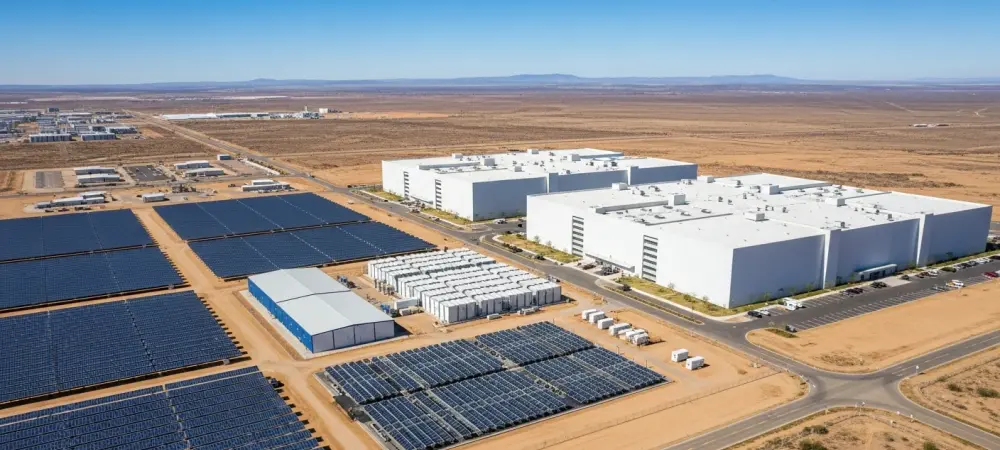
The digital landscape is undergoing a massive transformation as tech giants race to secure the vast amounts of power required to fuel the next generation of artificial intelligence. Microsoft recently solidified its position in this competitive arena by finalizing a 900MW lease at the Crusoe data center campus in Abilene, Texas. This move represents a pivotal moment for regional infrastructure, as the site is now poised to become one of the most significant hubs for computing power in the United States. By securing this capacity, the company ensures it has the necessary hardware to meet the soaring demand for generative AI services. The project highlights a shift toward massive, centralized campuses capable of handling extreme workloads. This article explores the details of the lease, the technical specifications of the site, and the broader economic impact on the local community.
Key Questions: Understanding the Abilene Expansion
Why Did Microsoft Choose the Abilene Campus for This Project?
The decision to invest heavily in the Abilene site stems from a strategic realignment of resources among the industry’s biggest players. While OpenAI and Oracle were originally expected to utilize the entire campus capacity, they eventually scaled back their requirements to 1.2GW. This shift created an opening for Microsoft to step in and claim the remaining 900MW, effectively maximizing the utility of the existing land and planned infrastructure.
Furthermore, the Texas energy market and the specific site preparation performed by Crusoe offered a ready-made solution for rapid scaling. Since land preparation is already underway, the timeline for deployment is significantly accelerated compared to starting a greenfield project from scratch. This availability allows Microsoft to stay ahead of its global infrastructure goals without the typical bureaucratic or geographic delays found in other regions.
What Technical Infrastructure Will Support This 900MW Lease?
To support such a massive power requirement, the development includes the construction of two specialized buildings, each engineered to provide 336MW of IT capacity. These structures are designed specifically for high-density AI workloads, which demand far more cooling and power stability than traditional data processing. The integration of an onsite power plant ensures that the facility has a reliable, behind-the-meter energy source, reducing its reliance on the local public grid.
Moreover, the facility will incorporate a Battery Energy Storage System (BESS) to manage energy fluctuations and ensure constant uptime. This combination of dedicated power generation and advanced storage makes the Abilene campus a model for modern data center design. By the time the first building is energized in mid-2027, the site will represent the cutting edge of energy-efficient, large-scale computing.
How Does This Development Benefit the Local Abilene Economy?
Local officials have expressed significant enthusiasm for the project, noting that the campus expansion has already served as a powerful economic engine. Mayor Weldon Hurt highlighted that the development has generated thousands of construction jobs and will eventually provide numerous high-paying technical positions once the facilities are operational. These roles offer long-term career paths for residents and attract new talent to the region.
Beyond direct employment, the presence of such a massive corporate entity provides a steady boost to local businesses, from hospitality to maintenance services. Microsoft’s new policy of moving away from non-disclosure agreements also fosters a more transparent relationship with the community. This openness helps local leaders and citizens understand the project’s scope, ensuring that the growth of the tech sector aligns with the long-term interests of Abilene.
Summary: A Strategic Leap Forward
The Abilene expansion showcased a successful transition from a speculative project to a cornerstone of global AI infrastructure. By capturing the 900MW capacity, the company effectively integrated a massive power source into its portfolio, bringing the total site projection to 2.1GW. The combination of onsite energy production and specialized building design proved that high-density computing could be managed sustainably and efficiently.
This development also reinforced the importance of corporate transparency in large-scale industrial projects. The decision to share more information with the host community set a new standard for how tech companies interact with the regions that house their hardware. Ultimately, the project successfully balanced technical requirements with economic benefits, providing a roadmap for future infrastructure investments.
Final Thoughts: Navigating the Future of AI Power
As the demand for processing power continues to grow, the relationship between technology providers and energy infrastructure will become even more critical. Stakeholders should observe how this Texas facility manages its behind-the-meter energy solutions as a potential blueprint for other regions facing grid constraints. The ability to generate and store power onsite may soon move from a luxury to a necessity for any firm hoping to lead in the AI sector.
Moving forward, individuals and businesses in the tech space must consider the environmental and social implications of such large-scale developments. Supporting projects that prioritize local economic health and transparent communication will be essential for maintaining a positive industry reputation. As mid-2027 approaches, the industry will look to Abilene to see if these massive investments deliver the expected technological breakthroughs.