

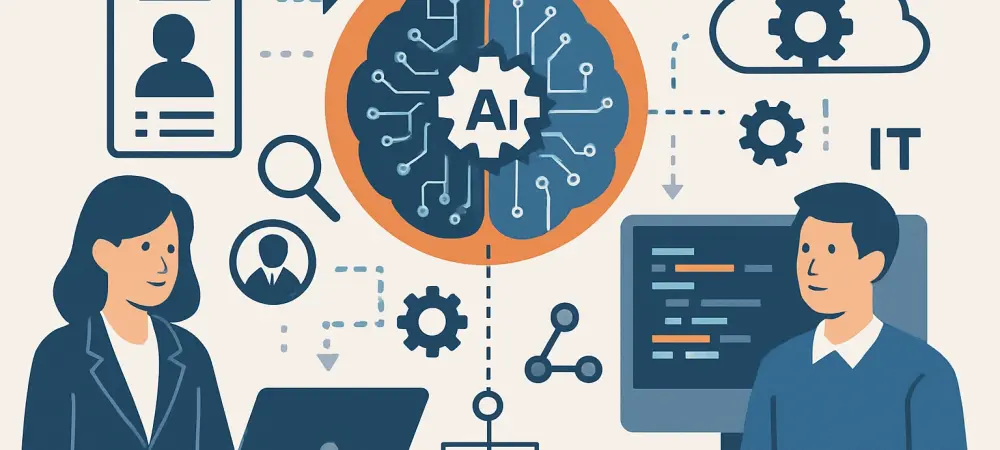
I’m thrilled to sit down with Dominic Jainy, a seasoned IT professional whose expertise in artificial intelligence, machine learning, and blockchain has positioned him as a thought leader in technological innovation across industries. With a keen eye for how emerging technologies can reshape organizational strategies, Dominic offers a unique perspective on the evolving intersection of human capital and digital transformation. Today, we’ll explore groundbreaking approaches to merging traditionally separate functions like HR and IT, the role of AI in redefining work, and the cultural and operational challenges of such bold moves. Let’s dive into how companies are pioneering the future of work with an AI-first mindset.
How do you see the integration of HR and IT functions shaping the future of organizational strategy?
I think it’s a game-changer. Historically, HR and IT have operated in silos—HR focusing on people and culture, and IT on systems and infrastructure. Bringing them together under a unified leadership, as we’re seeing in some innovative companies, breaks down those barriers. It allows for a more holistic approach where technology directly supports human capital goals, like using AI to streamline onboarding or talent management. The bigger picture is that it signals a shift toward an AI-first mindset, where digital tools aren’t just add-ons but core to how work gets designed and executed. It’s about aligning human potential with technological capability, and I believe this will become a blueprint for agile, future-ready organizations.
What do you think are the key drivers behind merging these two traditionally separate areas?
The primary driver is the rapid pace of digital transformation. Companies are realizing that AI and other technologies aren’t just IT concerns—they impact how people work, learn, and grow within an organization. There’s also a pressing need for efficiency; overlapping challenges like data management or employee experience can’t be tackled effectively if HR and IT are pulling in different directions. Another big factor is the cultural shift—employees today expect seamless, tech-driven experiences, whether it’s applying for a job or accessing internal resources. Merging these functions helps address those expectations head-on by creating a unified strategy that prioritizes both human needs and technological innovation.
In your view, what’s the most significant benefit of having HR and IT under a single leadership umbrella?
The biggest win is alignment. When one leader oversees both areas, decision-making becomes faster and more cohesive. You avoid the classic tug-of-war where HR might push for a people-first initiative while IT struggles with the technical feasibility. Instead, there’s a shared vision—think of rolling out an AI tool for employee support that’s both user-friendly and scalable. I’ve seen early examples where this setup fosters better collaboration, like quicker implementation of digital tools that enhance employee engagement. It also sends a message to the workforce that technology isn’t separate from their day-to-day—it’s part of how the company values and supports them.
How can a leader effectively balance the human-centric focus of HR with the systems-driven nature of IT in such a dual role?
It starts with a deep understanding of both domains. A leader in this position needs to be fluent in digital trends—knowing how AI or automation can solve problems—but also empathetic to human needs, like ensuring tech doesn’t alienate employees. They should prioritize cross-functional training so their teams speak the same language, whether it’s about culture or coding. I’d also say it’s critical to focus on outcomes rather than processes. For example, if you’re deploying a chatbot for HR queries, the goal isn’t just to automate—it’s to free up time for meaningful human interactions. Balancing these worlds comes down to constant communication and a willingness to adapt based on feedback from both employees and tech performance metrics.
What’s your take on redefining work planning to focus on tasks rather than just headcount, and how does AI play into that?
This shift to work planning is revolutionary because it moves away from the outdated idea of simply counting heads to asking, “What needs to be done, and who or what is best suited to do it?” AI is central here—it helps analyze workflows and identify where automation can take over repetitive tasks, like data entry or scheduling, while humans focus on creative or strategic work. It’s about optimizing resources. For instance, machine learning can predict workload spikes and suggest whether a task needs a human touch or can be handled by software. This approach not only boosts efficiency but also empowers employees to focus on high-value contributions, which can be a huge morale booster if done right.
How do you think employees perceive the growing use of AI tools in areas like HR support or onboarding?
It’s a mixed bag, honestly. On one hand, employees appreciate the speed and convenience—getting instant answers from an HR chatbot or having onboarding streamlined by digital tools can be a relief. But there’s often skepticism or even fear about being replaced by machines, especially in sensitive areas like performance reviews. I’ve noticed that pushback tends to lessen when companies are transparent about AI’s role as a supporter, not a substitute. It’s crucial to show how these tools save time for more meaningful interactions, like mentoring or team building. Addressing those concerns upfront through clear communication and training can turn apprehension into acceptance.
What strategies would you recommend to ensure AI enhances rather than diminishes the employee experience?
First, always design AI with the user in mind—make sure tools are intuitive and address real pain points. For example, if you’re automating HR queries, ensure the system can escalate complex issues to a human when needed. Second, preserve the human element in critical areas. AI can handle logistics, but things like conflict resolution or career counseling often need a personal touch. Finally, involve employees in the process—gather their input on how AI tools are working and what could be improved. This not only builds trust but also ensures the technology feels like a partner rather than an imposition. It’s about striking a balance where automation saves time but doesn’t strip away the personal connections that define a workplace.
Can you share your thoughts on the potential risks of over-relying on AI in a merged HR and IT environment?
Absolutely, there are real risks. One is cultural misalignment—HR prioritizes empathy and relationships, while IT often focuses on efficiency. If AI tips the balance too far toward systems over people, you risk eroding trust and engagement. Another concern is over-automation, especially in HR where personal matters like layoffs or grievances need a human touch. If employees feel like they’re just interacting with algorithms, it can create a cold, transactional environment. Then there’s the danger of superficial change—using AI to patch outdated processes instead of redesigning them for the modern era. To mitigate these, companies need to be intentional, regularly assessing whether AI is truly adding value or just creating new problems.
What is your forecast for the role of AI in shaping the future of organizational structures?
I see AI becoming the backbone of how organizations are structured in the next decade. It’s not just about automating tasks—it’s about fundamentally rethinking how work flows across humans and machines. We’ll likely see more fluid structures, where roles and departments are defined by outcomes rather than rigid functions. AI will enable real-time adaptability, like dynamically reallocating resources based on demand or predicting skill gaps before they become issues. But the human element will remain critical—AI will amplify our capabilities, not replace them. My forecast is that companies who master this balance will lead the pack, creating workplaces that are not only efficient but also deeply innovative and people-centered.