

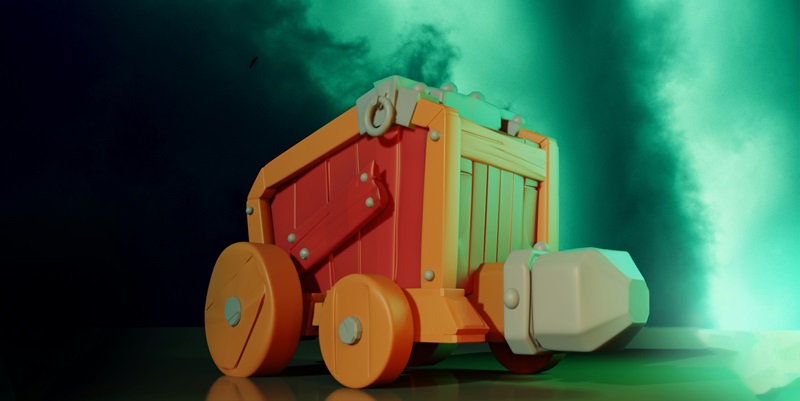
Generative AI is making waves in the creative industry, fundamentally transforming the way companies like Shutterstock develop and deliver visual content. Leveraging Nvidia’s Edify AI technology, Shutterstock has taken significant strides in enhancing the efficiency, quality, and flexibility of creative workflows. This revolution in content creation is not only speeding up production times but also opening up new possibilities for designers and marketers. By integrating advanced AI solutions, Shutterstock is setting new standards in visual content production, making it faster and easier for creatives to bring their visions to life.
The benefits of using generative AI are manifold, and one of the most compelling is the ability to automate tasks that would otherwise involve extensive manual effort. For instance, creating 3D models or high-quality images traditionally requires hours of painstaking work. However, generative AI can rapidly generate these assets from text descriptions or initial sketches, drastically cutting down on production time. This paradigm shift allows creative professionals to shift their focus more towards their artistic vision and less on the technical execution, making the entire process more enjoyable and less burdensome.
The Advent of Generative AI in Creative Processes
Generative AI has emerged as a game-changer in creative processes, fundamentally altering how visual content is produced. By utilizing advanced AI algorithms, Shutterstock has been able to drastically cut down the time required for creating high-fidelity images and 3D assets. This paradigm shift allows creatives to focus more on their artistic vision, leaving the technical execution to powerful AI tools.
The automation capabilities provided by generative AI are particularly beneficial for tasks that involve repetitive or complex manual effort. For instance, Shutterstock’s AI can quickly generate 3D models or high-quality images from text descriptions or initial sketches, saving hours of painstaking work. This is a significant upgrade from traditional methods that often demand meticulous detail and extensive resources to achieve similar results. Furthermore, the reliability and consistency offered by AI-driven processes contribute to a higher standard of output, aligning with professional creative needs.
AI technologies are also enhancing creative flexibility by allowing for real-time adjustments and modifications. Traditionally, making changes to a 3D model or visual design could require starting from scratch or spending substantial time on edits. With generative AI, users can effortlessly tweak elements like textures, lighting, and materials, seeing near-instant results. This not only speeds up the iterative process but also encourages experimentation, leading to more innovative and unique designs. The ability to quickly respond to feedback and make adjustments without significant delays enhances the overall creative workflow.
Speed and Efficiency in Content Creation
One of the standout benefits of integrating generative AI into creative workflows is the significant boost in speed and efficiency. Traditional methods of 3D modeling and image creation are often time-consuming and resource-intensive. However, with Shutterstock’s generative AI tools powered by Nvidia’s Edify AI technology, the process becomes swift and seamless.
For example, Shutterstock’s generative 3D service can produce prototypes of 3D assets in as little as 10 seconds. This rapid turnaround is a stark contrast to the hours or even days required by traditional methods. Such efficiency not only accelerates the creative process but also allows for rapid iterations and adjustments, enabling designers to perfect their work more effectively. The speed with which high-fidelity assets can be generated is a game-changer, allowing creatives to focus on refining their concepts rather than getting bogged down by production logistics.
The efficiency extends beyond creation to the customization of content. AI-driven tools provide enhanced controls, allowing users to fine-tune elements like textures, materials, and lighting quickly. This level of control ensures that the generated content meets specific user requirements and maintains high standards of quality. Additionally, quick iterations mean that creatives can explore multiple design variations in a short period, leading to better overall outcomes. The ability to rapidly adjust and experiment significantly enhances the creative process, allowing for a more dynamic and flexible approach to content creation.
Quality and Customization at Scale
Ensuring high quality and offering extensive customization are crucial for any creative tool. Shutterstock’s generative AI not only accelerates the creation process but also produces high-quality outputs that can be customized to fit precise specifications. This is made possible through the advanced capabilities of Nvidia’s Edify AI technology, which allows for detailed and intricate rendering of visual assets.
The AI models used by Shutterstock are capable of generating intricate details and high-resolution images that meet professional standards. Whether it’s creating 3D assets with physically based rendering materials like wood or leather or generating 360 HDRi backgrounds for virtual lighting, the output is both detailed and realistic. This attention to detail ensures that the generated content is not only of high quality but also highly functional for various creative applications. The precision and realism brought by these AI tools make them invaluable assets for professionals seeking top-tier content.
Customization is another key feature that generative AI brings to the table. Users can provide specific prompts or images, and the AI will generate content that closely adheres to those inputs. This ensures that each piece of content is unique and tailored to the user’s vision, enhancing the overall creative process. The ability to fine-tune the AI-generated outputs to align perfectly with brand guidelines or project requirements makes these tools highly versatile. This level of customization ensures that the creative needs of different industries and individual projects are met with accuracy and efficiency.
Streamlining Complex Creative Tasks
Generative AI simplifies some of the most complex aspects of creative workflows, making advanced tools accessible to a broader audience. One notable example is Shutterstock’s ability to create high-dynamic-range panoramic images (360 HDRi) for virtual lighting, which traditionally required expensive equipment and extensive time to achieve. The integration of AI not only democratizes these advanced capabilities but also makes them more cost-effective and quicker to produce.
By automating this process, Shutterstock allows users to simply describe an environment through text or an image and quickly receive a high-resolution HDRi background. This innovation not only saves time but also ensures greater accuracy and consistency in lighting virtual scenes, which is crucial for achieving professional-grade results in digital content creation. The efficiency gained through AI-driven automation enables creatives to focus on more nuanced aspects of their projects, enhancing overall productivity and output quality.
Such automation also extends to the integration of these AI tools into existing creative workflows. Companies can now streamline their processes by incorporating Shutterstock’s APIs, enabling seamless transitions between different stages of content production and reducing the need for multiple manual interventions. This seamless integration ensures that the benefits of generative AI can be fully realized within established workflows, reducing friction and enhancing overall efficiency. The ability to incorporate AI tools without disrupting existing processes makes these advancements highly practical and easily adoptable for a wide range of creative endeavors.
Broad Applications Across Industries
The transformative impact of generative AI technology at Shutterstock is not limited to a single sector; it spans various industries, from marketing and advertising to virtual production and beyond. The ability to generate high-quality visual content quickly and efficiently has broad implications for how businesses operate and engage with their audiences. The versatility of AI-generated content means that different industries can leverage these tools for various creative needs, enhancing their overall operations.
In marketing, for instance, the rapid production of customized visuals allows for more dynamic and responsive campaigns. Advertisers can create tailored content that speaks directly to their target demographics, enhancing engagement and conversion rates. Similarly, in virtual production, the speed and quality of AI-generated assets enable quicker turnaround times for film and video projects, making it easier to meet tight deadlines without sacrificing quality. The ability to produce high-fidelity assets rapidly ensures that creative teams can deliver projects on time, maintaining high standards of professionalism and client satisfaction.
The adoption of generative AI tools like those developed by Shutterstock signifies a broader trend within the creative industries: a shift towards embracing AI-driven automation as a means of enhancing human creativity. By providing the tools to overcome technical barriers, generative AI empowers creatives to push the boundaries of what is possible, leading to innovative and groundbreaking work. This harmonious blend of human creativity and AI efficiency is paving the way for a new era in content creation, where the only limit is the imagination.
Enhanced Workflow Integration and Future Potential
Generative AI is making significant strides in the creative industry, revolutionizing how companies like Shutterstock develop and deliver visual content. By leveraging Nvidia’s Edify AI technology, Shutterstock has greatly enhanced the efficiency, quality, and flexibility of its creative workflows. This technological advancement is not only speeding up production times but also unlocking new possibilities for designers and marketers. Integrating advanced AI solutions, Shutterstock is setting new benchmarks in visual content production, making it faster and easier for creatives to bring their visions to life.
The benefits of using generative AI are substantial, particularly in automating tasks that traditionally require extensive manual effort. Creating 3D models or high-quality images, for example, typically demands hours of meticulous work. However, generative AI can quickly produce these assets from text descriptions or initial sketches, significantly reducing production time. This paradigm shift allows creative professionals to focus more on their artistic vision rather than the technical execution, making the entire process more enjoyable and less burdensome, thereby enhancing the overall creative experience.