

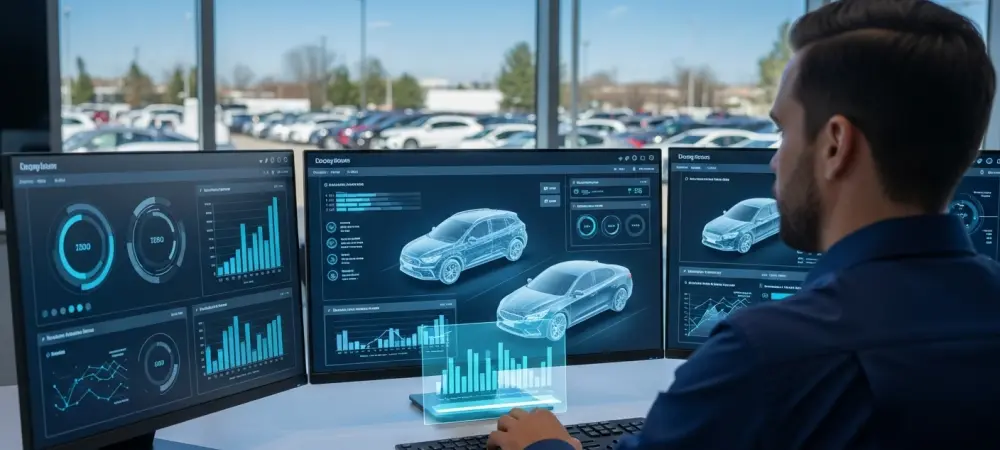
The days when a car buyer spent hours wandering through rows of shiny vehicles under the hot sun have been replaced by a lightning-fast digital interaction that happens almost entirely behind a glowing screen. Statistical evidence indicates that the modern car buyer completes approximately 70% of the necessary research before ever setting foot on a dealership lot. This massive shift has transformed the traditional dealership website from a simple digital brochure into a high-stakes frontline for customer acquisition. With consumer patience at an all-time low, a delay in responding to a simple trade-in inquiry or a service booking often results in a lost sale to a more responsive competitor nearby.
The End of the Silent Digital Showroom
The digital landscape has evolved into a space where silence equates to lost revenue. Shoppers no longer browse passively; they expect immediate feedback and interactive elements that mirror the physical showroom experience. When a website fails to provide instant answers, the user journey typically ends within seconds. Consequently, the concept of a static inventory page is becoming obsolete as dealerships realize that every click represents a potential conversation that needs to happen in real-time.
Why Traditional Dealership Websites Are No Longer Enough
In an era defined by instant gratification, passive digital storefronts are quickly becoming a significant liability for automotive businesses. Dealerships currently grapple with high staff turnover and the logistical nightmare of managing thousands of vehicle listings across multiple fragmented platforms. Modern shoppers expect the same level of personalization and speed from a local dealer that they receive from global tech giants. As a result, the industry is reaching a critical tipping point where manual data entry and human-only chat support can no longer scale to meet the fluctuating market demands.
Specialized AI Tools Reshaping the Digital Car-Buying Journey
The integration of specialized artificial intelligence, such as the Sidekick suite, is fundamentally altering how dealerships operate on a daily basis. Natural language processing now powers real-time chat interfaces that can instantly pull inventory data, calculate trade-in values, and schedule service appointments without any human intervention. Beyond communication, AI-driven data tools like Insights Sidekick are translating complex metrics from platforms like Google Analytics 360 into conversational business advice. This allows managers to make inventory decisions based on hard data rather than relying on gut feelings or outdated intuition.
Moving from Manual Labor to Proactive Intelligence
Industry leaders are observing a significant transition where artificial intelligence handles the heavy lifting of administrative and visual tasks. For instance, automated merchandising tools now use computer vision to adjust lighting and backgrounds on vehicle photography, ensuring a professional online appearance across the entire inventory. Furthermore, compliance-focused AI acts as a 24/7 auditor, scanning websites to ensure they meet strict manufacturer brand standards and legal guidelines. This shift allowed dealership staff to move away from clerical tasks and focus entirely on high-value customer interactions.
A Strategic Roadmap for AI Integration in Modern Dealerships
To successfully adopt these technologies, dealerships established a structured framework for digital transformation. The process began with auditing current lead-generation workflows to identify specific bottlenecks where response times lagged. Next, the implementation of integrated NLP tools provided immediate coverage for after-hours inquiries, capturing leads that were previously ignored. Finally, dealerships leveraged automated data analysis to refine marketing spend, ensuring that every digital interaction was backed by real-time insights. This proactive approach ensured that a dealership remained competitive as the technology continued to mature and expand throughout the year.