

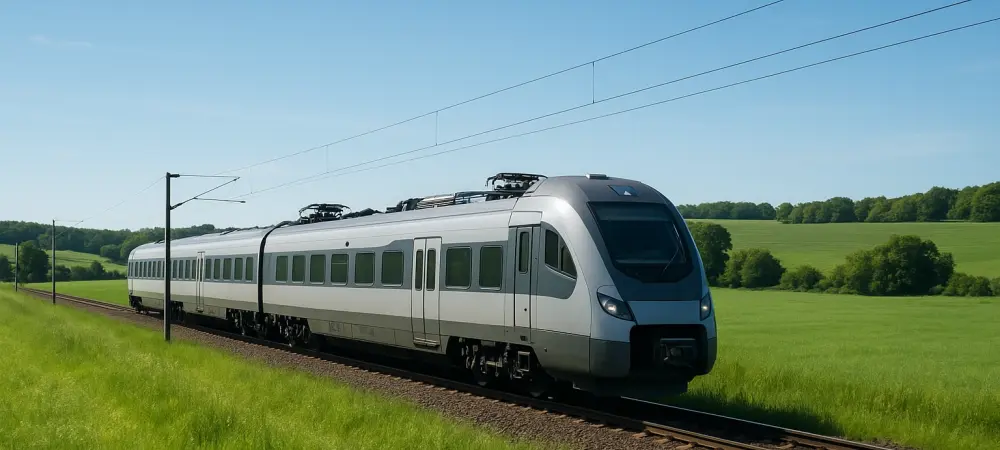
One Big Circle introduced the Advanced Intelligent Video Research technology in 2019 to move the rail industry away from manual inspection toward automated systems. This fundamental shift has redefined how national infrastructure is monitored, replacing traditional, periodic walk-throughs with continuous, data-driven oversight. In the year 2026, the adoption of these systems has reached a critical mass, allowing rail operators to maintain a constant pulse on the health of thousands of miles of track without the inherent risks of manual labor. The current landscape is defined by the seamless integration of high-definition imagery and thermal sensors onto operational trains, turning every journey into a comprehensive inspection mission. This transition ensures that the railway network is not just a static set of assets but a dynamic environment where every bolt, railhead, and signal is accounted for in real-time. By moving away from reactive maintenance, the industry has embraced a model where precision and predictability are the standard, significantly reducing service disruptions and improving overall safety for both workers and the millions of passengers who rely on these services daily.
The Technical Principles of Intelligent Monitoring
Part 1. Defining the Role of Machine Learning
Understanding the mechanics behind this technological leap requires a clear distinction between the broad framework of Artificial Intelligence and the specific application of Machine Learning. While AI provides the overarching structure designed to mimic human cognitive functions, Machine Learning serves as the engine that drives individual diagnostic tasks across the network. These systems are not merely pre-programmed with static, “if-this-then-that” rules; instead, they are trained on vast datasets encompassing millions of miles of footage and environmental data. This training allows the models to recognize complex patterns and subtle anomalies that might indicate an impending fault, such as a microscopic fracture in a railhead or a loosening fastening. By processing data in various real-world conditions, these models develop what is known as environmental intelligence, which is a crucial capability in the rail sector. This ensures that the software remains operational and accurate regardless of heavy rain, snow, or the glare of direct sunlight, which would often obscure the view for human inspectors or confuse simpler automated tools. The efficacy of these Machine Learning models is further enhanced by their ability to learn and adapt over time without direct human intervention for every new scenario. As the systems ingest more data from across the 2026 rail network, their predictive accuracy improves, creating a self-reinforcing cycle of refinement. This level of consistency is impossible to achieve with manual inspections, where human factors such as fatigue, varying expertise, and limited visibility can lead to missed defects. Furthermore, these models can perform multi-disciplinary analysis simultaneously, checking for track issues, signaling obstructions, and electrical wear in a single pass of the data. This high-speed processing allows for the rapid identification of high-priority risks, ensuring that maintenance crews are dispatched only when and where they are truly needed. The result is a more resilient infrastructure that benefits from the collective “experience” of every sensor deployed on the line, transforming raw video into actionable intelligence that safeguards the entire transport system.
Part 2. The Comprehensive Ecosystem of Data Capture
The AIVR ecosystem functions as a comprehensive, end-to-end solution that bridges the gap between hardware deployment and cloud-based analytics. It begins with the installation of specialized cameras and sensors on operational trains, which collect high-definition imagery, thermal readings, and line-scanning data as they traverse the network. This “capture-while-moving” approach ensures that monitoring is continuous and non-disruptive to passenger or freight services, effectively turning every train into a mobile laboratory. Once the data is ingested, it is automatically geolocated using precise coordinates, pinning every observation to an exact point on the national grid. This spatial accuracy is vital because it allows for the creation of a longitudinal history for every asset. Engineers can look back through months of data to see how a specific component has aged or if a particular defect is accelerating in its deterioration. This historical context is essential for distinguishing between a minor, stable anomaly and a rapidly worsening condition that requires immediate attention.
Beyond simple video recording, the system utilizes advanced line-scanning technology to produce ultra-high-resolution imagery of the track surface that exceeds the capabilities of standard cameras. These scans provide a top-down view of the railhead, fastenings, and sleepers, allowing for the detection of “squats” or localized depressions that can lead to track failure if left unaddressed. By integrating this visual data with thermal imagery, the system can also identify temperature spikes in electrical components, which are often the first signs of an impending power failure. This multi-layered data collection creates a “digital twin” of the physical railway, providing a virtual environment where engineers can conduct “desktop inspections” with total confidence in the data’s accuracy. The shift toward this integrated ecosystem has not only streamlined the maintenance workflow but has also created a centralized repository of infrastructure knowledge that is accessible to planners and engineers across the country, ensuring that decision-making is always supported by the most current evidence.
Strengthening Infrastructure Through Automated Oversight
Part 3. Precision Monitoring of Track Components
The railway track is the most fundamental component of the infrastructure, and its maintenance is traditionally the most demanding and hazardous task. Machine Learning models have now automated the inspection of ballast, sleepers, and fastenings, identifying defects that are often nearly invisible to the naked eye at track level. Using the AIVR Focus line-scanning system, these models can automatically classify and prioritize issues like cracked joints, corroded fishplates, or missing bolts. This level of granular detail allows for a targeted maintenance approach, where small repairs are made before they escalate into major structural problems. Furthermore, the system is designed to monitor the condition of the ballast—the stone bed that supports the track—detecting areas of “wet beds” where water has become trapped. Identifying these stability risks early prevents the development of track “voids,” which can cause dangerous shifts in alignment and lead to speed restrictions or even derailments if the underlying foundation is compromised.
In addition to physical components, the technology provides a sophisticated analysis of railhead health and contamination. One of the most persistent seasonal challenges is the accumulation of leaf mulch, which creates a slippery layer on the tracks that reduces adhesion and interferes with braking. Intelligent models are trained to detect these contamination zones in real-time, allowing operators to deploy treatment trains with surgical precision. This proactive management extends to the monitoring of railhead corrugation and lipping, which are signs of excessive wear that can increase noise and vibration. By integrating these visual detections with existing track geometry measurements—such as gauge, twist, and alignment—the system provides a holistic view of the track’s structural integrity. This correlation of data ensures that a physical dip in the track can be matched with a specific defective joint or ballast issue, giving engineers a complete picture of the problem before they ever set foot on the site for remediation.
Part 4. Safeguarding the Lineside Environment
Beyond the rails themselves, the surrounding environment poses constant challenges that require vigilant oversight to prevent obstructions and ensure the safety of the network. Vegetation encroachment is a primary concern for rail operators, as overgrown trees and bushes can obscure signals or interfere with overhead power lines. AIVR models are specifically designed to track growth patterns over time, categorizing risks based on their proximity to critical infrastructure. By using a color-coded risk system, the software highlights areas where foliage is likely to become a problem in the near future, allowing for targeted trimming rather than expensive and environmentally damaging broad clearing. This strategic approach to vegetation management not only saves significant operational costs but also minimizes the impact on local ecosystems while maintaining a clear and safe path for passing trains. This level of environmental monitoring is a key component of building a more resilient railway that can withstand the pressures of varying climates.
The system also serves as a powerful automated inventory and mapping tool for the thousands of assets located alongside the tracks. It identifies and records the exact locations of signs, signals, limited clearance markers, and even leftover materials like scrap rail or ballast bags from previous work crews. This reduces the need for “boots on the ground” to conduct manual asset counts or site surveys, which are time-consuming and often inaccurate. By having an up-to-date digital inventory, operators can ensure that every safety marker is in its correct position and that the lineside remains clear of debris that could pose a trip hazard to workers or a fire risk during dry spells. This automated mapping capability ensures that the transition between different maintenance teams is seamless, as everyone has access to the same geolocated data. The result is a cleaner, better-organized, and significantly safer environment that supports the long-term sustainability of the entire rail network through continuous digital vigilance.
Strategic Evolution of Asset Management
Part 5. Thermal Analysis and Signaling Precision
Monitoring the electrical infrastructure that powers modern trains is a high-stakes safety requirement that has been revolutionized by thermal sensing technology. For systems utilizing a third rail or overhead line equipment, Machine Learning models now detect physical wear such as loose lug bolts, corroded fishplates, and “ramp end creep.” Thermal sensors are particularly valuable in this context, as they can identify hotspots in electrical components that are invisible to the human eye. These temperature spikes often precede total component failure, allowing engineers to intervene before a power outage disrupts the network. In the year 2026, these automated alerts are sent directly to maintenance teams, who can then prioritize repairs based on the severity of the thermal anomaly. This level of predictive maintenance ensures that the electrification system remains reliable and that the risks associated with high-voltage equipment are managed through precise, data-driven insights rather than reactive emergency responses.
Signaling serves as the critical “brain” of the railway, and ensuring its visibility is essential for driver safety and operational efficiency. AI technology has been used to map tens of thousands of signals across the network, enabling engineers to conduct “virtual route patrols” from the safety of an office. These patrols verify that every signal is visible from the required distance and is not being obscured by new construction or growing vegetation. Furthermore, the integration of Augmented Reality allows planning teams to virtually place new signals or relocated equipment into existing forward-facing video footage. This allows for a detailed visualization of what a driver will see before any physical construction begins, preventing costly design errors and ensuring optimal signal placement. By verifying sightlines digitally, the industry has eliminated the need for many specialized test runs, further reducing costs and ensuring that the signaling infrastructure remains clear and effective under all operational conditions.
Part 6. Implementing Actionable Data and Digital Twins
The culmination of these technological advancements was the widespread adoption of the “digital twin,” a virtual representation of the entire railway network that reflects its current physical state in real-time. The industry realized that the primary benefit of these systems was the ability to redirect human talent toward more complex problem-solving and strategic planning rather than rote observation. Strategic focus shifted toward the refinement of these digital models, which allowed for simulations of various stress scenarios, such as extreme weather events or increased traffic loads, on the network’s infrastructure. Leaders in the sector encouraged the adoption of open-data standards to facilitate better communication between different technological platforms and departments. This transition toward a fully integrated digital railway became a blueprint for other infrastructure-heavy industries looking to modernize their legacy systems and improve operational efficiency through the power of centralized, high-quality data.
By prioritizing high-quality data over simple quantity, rail operators effectively maximized the lifespan of their assets while significantly reducing the operational costs associated with emergency repairs and service delays. The lessons learned during this period of rapid adoption highlighted the importance of continuous software training and the need for a workforce that is as comfortable with a tablet as they are with traditional tools. Moving forward, the focus must remain on the seamless integration of these insights into daily workflows, ensuring that every detection leads to a clear and documented remediation action. Future considerations should include the expansion of these models to predict the long-term impact of climate change on track stability, providing a foundation for even more resilient engineering standards. Ultimately, the successful digital transformation of the rail industry established a safer, more efficient, and more reliable transport network that is fully equipped to meet the demands of a modern society through the power of intelligent, automated oversight.