

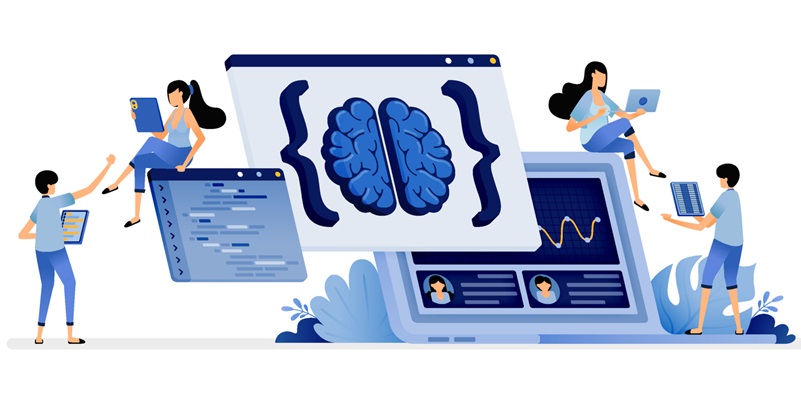
In an era where technology is evolving at an unprecedented rate, the intersection of Computer Science Engineering (CSE) and Artificial Intelligence (AI) has emerged as a pivotal force driving innovation across various sectors. The combination of these two fields is not merely an academic interest but a transformative partnership, equipping tech professionals with the skills and expertise required to design intelligent systems capable of solving complex problems. The fusion of CSE and AI presents an extraordinary opportunity to pioneer smart solutions, paving the way for significant advancements and myriad career possibilities.
The Foundation of Computer Science Engineering
Algorithms and Software Development
Computer Science Engineering serves as the backbone of modern computing and systems development. At its core, CSE provides a deep understanding of algorithms, software development, and system architecture, ensuring the creation of efficient, reliable, and scalable solutions. This foundational knowledge is indispensable for addressing the challenges posed by today’s technology-driven landscape. Mastering algorithms allows engineers to optimize processes, enabling faster and more accurate outcomes in various applications. Furthermore, expertise in software development equips professionals with the ability to construct complex systems, integrating diverse functionalities to meet user needs. This foundation is critically important for the development and implementation of AI technologies. AI systems rely on robust algorithms to process vast amounts of data, learn patterns, and make intelligent decisions. Natural Language Processing (NLP) and machine learning are key aspects of AI that benefit immensely from the principles of CSE. NLP, for instance, requires sophisticated algorithms to understand and generate human language, enhancing communication between machines and users. Similarly, machine learning algorithms drive the adaptive capabilities of AI systems, allowing them to learn from data and improve their performance over time. Without the fundamental principles provided by CSE, progress in AI would be significantly hampered.
Systems Development and Integration
Beyond algorithms and software, CSE also emphasizes the importance of comprehensive systems development. This includes understanding the intricacies of hardware and software interactions, which is vital for creating fully functional and integrated systems. Engineers must have the capability to design and manage databases, networks, and user interfaces, ensuring a seamless experience for end-users. This holistic approach to systems development is essential for the effective deployment of AI technologies across various industries. For example, in healthcare, AI-driven systems must seamlessly integrate with existing medical equipment and electronic health records to enhance patient care. In finance, AI algorithms need to interface with trading platforms and databases to execute automated trading and detect fraudulent activities. The integration of AI into these sectors is not only about developing smart algorithms but also about ensuring that these systems can operate cohesively within the broader technological infrastructure. Thus, a strong foundation in CSE is crucial for the successful application and integration of AI technologies in real-world scenarios.
The Transformative Impact of Artificial Intelligence
Revolutionizing Healthcare and Finance
The integration of Artificial Intelligence into various sectors, particularly healthcare and finance, highlights its revolutionary potential. In healthcare, AI technologies are transforming the way medical professionals approach diagnostics, treatment plans, and patient care. Predictive analytics powered by AI can analyze historical patient data, enabling early detection of diseases and personalized treatment plans. Robotic surgeries, guided by AI algorithms, offer precision and reduced recovery times, enhancing surgical outcomes. Furthermore, AI-driven tools assist healthcare providers in managing patient records, optimizing administrative processes, and improving overall efficiency. Similarly, AI has made significant strides in the finance sector. Through machine learning and predictive modeling, AI algorithms analyze market trends and execute automated trades, maximizing returns and minimizing risks. AI-powered systems also play a crucial role in fraud detection by identifying unusual patterns and flagging suspicious activities in real-time. This proactive approach to security helps financial institutions protect customer data and maintain trust. The ability of AI to process large volumes of data quickly and accurately makes it an invaluable asset in managing financial transactions and ensuring regulatory compliance.
Escalating Demand for Skilled Professionals
As industries increasingly recognize the benefits of integrating AI technologies, the demand for professionals skilled in both Computer Science Engineering and Artificial Intelligence has risen dramatically. According to LinkedIn’s Emerging Jobs Report 2023, there has been a 74% annual increase in AI job opportunities over the past four years. This surge reflects the high demand for expertise in areas such as AI development, machine learning engineering, data science, and research science. Companies across various sectors are seeking individuals who can harness the power of AI to drive innovation and maintain a competitive edge. The growing job market for AI-related careers presents a promising landscape for students and professionals looking to advance in the tech industry. Professionals with a solid foundation in CSE and specialized knowledge in AI are well-positioned to take on roles that involve developing intelligent systems, optimizing processes, and making data-driven decisions. The diverse applications of AI across different industries mean that career opportunities are not limited to any single sector, offering a wide range of possibilities for those with the skills and expertise to navigate this dynamic field.
The Future of Innovation and Career Prospects
Pioneering Technological Advancements
Combining the principles of Computer Science Engineering with the capabilities of Artificial Intelligence creates a robust foundation for pioneering technological advancements. This synergy is not only driving forward the development of smart solutions but also inspiring new innovations that have the potential to revolutionize entire industries. As AI continues to evolve, its applications will expand further, addressing increasingly complex challenges and opening up new avenues for exploration. For students and professionals aspiring to lead in the tech landscape, gaining expertise in both CSE and AI is essential. The ability to design intelligent systems that can adapt and respond to real-world scenarios is a highly sought-after skill. Educational programs that integrate both fields are invaluable in preparing individuals to tackle the multifaceted problems that lie ahead. By fostering a deep understanding of both CSE and AI, these programs equip the next generation of tech leaders with the tools they need to shape the future.
Shaping the Future of Technology
In today’s world, where technology is advancing faster than ever, the convergence of Computer Science Engineering (CSE) and Artificial Intelligence (AI) has become a vital catalyst for innovation across multiple industries. This fusion isn’t just a topic of academic curiosity; it’s a dynamic partnership that empowers tech professionals with the necessary skills and knowledge to create intelligent systems designed to tackle complex issues. By integrating CSE and AI, there’s a unique chance to develop smart solutions, leading to remarkable technological progress and opening numerous career opportunities. This partnership is not only driving the next wave of technological advancements but also setting new standards in efficiency and problem-solving capabilities. As industries adopt AI-driven technologies, the demand for professionals skilled in both CSE and AI continues to grow, underscoring the importance of this interdisciplinary approach. This blend of fields is shaping the future, providing innovative answers to some of the most pressing challenges faced by various sectors today.