

In the heart of Mexico, as twilight descends on a bustling cemetery adorned with marigolds and flickering candles, a cultural spectacle unfolds—Día de los Muertos, a celebration where the living honor the departed with vibrant joy, and amidst this kaleidoscope of color and emotion, a challenge emerges: how can technology encapsulate the raw beauty and fleeting moments of such a profound tradition? Enter a smartphone that promises to freeze these scenes in stunning clarity, turning ephemeral memories into lasting treasures. This journey through one of Mexico’s most iconic festivals reveals the intersection of culture and cutting-edge innovation.
The significance of Día de los Muertos, recognized by UNESCO as an Intangible Cultural Heritage, lies in its unique blend of remembrance and revelry, a tradition that transforms grief into a vivid celebration. Capturing this essence demands more than just a camera—it requires a tool capable of translating the festival’s dynamic energy into images that resonate. During a recent media trip hosted by Oppo, the opportunity arose to test the Oppo Find X9 Pro, a device heralded for its exceptional camera system, against the vibrant backdrop of this event. This exploration goes beyond mere photography; it examines how mobile technology can preserve cultural legacies in an era where smartphones are increasingly the primary lens for documenting life.
A Cultural Canvas Through a Digital Eye
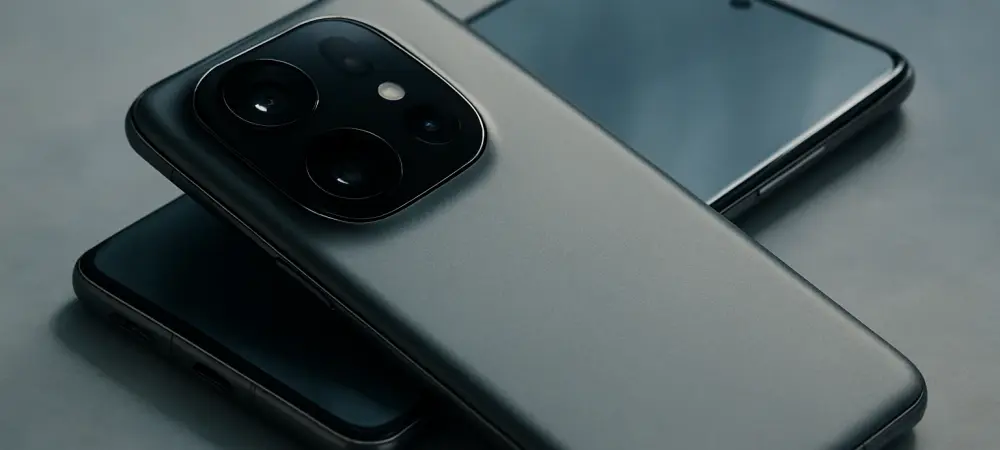
The streets of Mexico during Día de los Muertos burst with life—skeletons in elaborate costumes dance under strings of papel picado, while families gather at gravesites to share stories of loved ones. Amidst this sensory overload, the task of documenting every detail becomes daunting. The Oppo Find X9 Pro, equipped with a triple-camera setup, was put to the test in these lively conditions, offering a chance to see if a smartphone could truly rival traditional photography gear in such a demanding environment.
This festival’s visual richness, from the intricate designs of sugar skulls to the sprawling altars known as ofrendas, calls for a device that can adapt to varied scenes. The reliance on smartphones for professional-grade imagery has surged, with a 2025 report from Statista noting that over 60% of global photographers now use mobile devices for event coverage. The Oppo Find X9 Pro, positioned as a leader in this space, became the tool to navigate the chaotic beauty of the celebration, highlighting a broader shift toward mobile-first documentation.
The Camera That Meets the Festival’s Demands
Día de los Muertos presents a unique set of photographic challenges—crowded plazas in bright daylight, intimate candlelit vigils at night, and distant performers in elaborate attire. Each moment requires precision and versatility, qualities that the Oppo Find X9 Pro’s camera system claims to deliver. The device’s ability to handle such diversity was critical in determining whether it could capture the festival’s soul without missing a beat. The triple-camera array includes a 23mm f/1.5 wide-angle 50MP lens for sharp, detailed shots of bustling markets, a 15mm f/2.0 ultrawide 50MP lens for expansive festival grounds, and a 70mm f/2.1 telephoto 200MP lens for zooming in on far-off details. Nighttime photography, often a stumbling block, showed remarkable clarity, preserving the warm glow of candles during late-hour processions. Sample images from the event reveal how each lens adapted seamlessly, ensuring no aspect of the celebration was left undocumented.
Zooming Into the Heart of Celebration
One striking moment came while standing in a crowded plaza, attempting to capture a performer’s intricate costume from across the space. The telephoto lens of the Oppo Find X9 Pro brought distant details into sharp focus, revealing every bead and feather with astonishing precision. This capability transformed the challenge of distance into an opportunity for intimate storytelling through imagery.
Feedback from fellow media attendees echoed this sentiment. A seasoned photographer remarked, “I’ve never seen a smartphone zoom with this level of detail—it’s like having a DSLR in your pocket.” Such real-world impressions, gathered amidst the festival’s energy, underscore the device’s practical impact. The ability to switch between lenses without losing quality meant that both sweeping crowd shots and minute details of handcrafted decorations were captured with equal finesse.
Mastering the Art of Cultural Photography
For those looking to document cultural events with a device like the Oppo Find X9 Pro, strategic use of its features can elevate the results. Begin with the ultrawide lens to frame the grandeur of festival settings, capturing the full scope of decorated streets or communal gatherings. This approach ensures the context of the celebration remains at the forefront of the visual narrative.
Next, utilize the wide-angle lens for balanced shots of specific elements, such as detailed altars or vibrant street murals, experimenting with the Hasselblad Xpan mode for cinematic panoramas. When focusing on distant subjects or intricate designs, the telephoto lens becomes indispensable, offering clarity even from afar. In low-light conditions, common during evening rituals, rely on steady hands and the wide or telephoto modes to maintain crispness, ensuring the mood of nighttime events is preserved.
Finally, consider creative angles to add depth to the story—shoot from low perspectives to highlight towering decorations or zoom in on subtle expressions for a personal touch. The adaptability of this smartphone makes it a powerful companion for visual storytelling, capable of turning fleeting cultural moments into enduring images. Experimentation with composition can reveal unique facets of any event, making each shot a distinct piece of the larger mosaic.
Tools That Preserve Tradition
Reflecting on the experience of documenting Día de los Muertos, the Oppo Find X9 Pro proved itself as more than just a gadget—it became a bridge between ephemeral moments and lasting memories. The vivid colors of marigolds, the intricate patterns of costumes, and the soft glow of candlelit vigils were all captured with a clarity that honored the spirit of the festival. Each image served as a testament to how technology can safeguard cultural heritage for generations to come.
Looking ahead, the challenge lies in leveraging such tools to document other global traditions with the same depth and respect. Aspiring photographers and cultural enthusiasts are encouraged to explore the potential of high-end smartphone cameras in their own storytelling endeavors. By pushing the boundaries of mobile photography, there’s an opportunity to build a richer, more accessible archive of human celebration and remembrance, ensuring that no story goes untold.