

Setting the Stage for Innovation
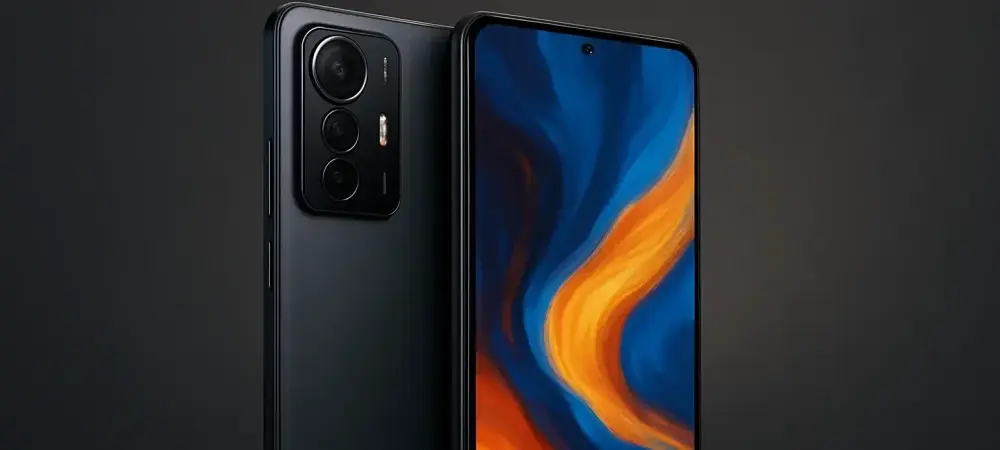
In an era where smartphone technology evolves at a breakneck pace, capturing over 1.5 billion active users globally, the demand for devices that balance cutting-edge performance with affordability remains paramount. Enter the Poco F8 series, Xiaomi’s sub-brand Poco’s latest offering, comprising the Poco F8 Pro and Poco F8 Ultra. These devices are poised to redefine expectations in the competitive mid-to-premium segment, promising flagship features at accessible price points. This review delves into the anticipated impact of the series, exploring rumored specifications and market positioning based on credible leaks and certifications. The significance of the Poco F8 lineup lies in its potential to bridge the gap between high-end innovation and consumer accessibility. Building on the legacy of its predecessors, this series is generating buzz with sightings on regulatory platforms and whispers of groundbreaking features. As the smartphone landscape continues to shift toward greater connectivity and performance, an in-depth look at what these devices might offer becomes essential for tech enthusiasts and everyday users alike.
In-Depth Analysis of Features and Performance
Certification Clues and Launch Anticipation
Evidence of an imminent global launch for the Poco F8 series has surfaced through certification listings on platforms such as Singapore’s Infocomm Media Development Authority and Thailand’s NBTC. Model numbers like 2510DPC44G for the Pro and 25102PCBE for the Ultra indicate readiness for market entry, with the latter confirming support for advanced connectivity options including 5G, GSM, WCDMA, and LTE. Such certifications often serve as precursors to official announcements, hinting at a rollout in select regions soon.
Further fueling anticipation are insights from industry tipsters, with notable mentions on social media platforms like X by Abhishek Yadav, suggesting the debut is just around the corner. Despite the absence of a confirmed date from Poco, the convergence of regulatory approvals and insider information points to a strategic unveiling within the coming weeks. This timeline positions the series as a timely contender in a market hungry for fresh innovation.
Powerhouse Specifications of the Poco F8 Ultra
Turning to the rumored capabilities of the Poco F8 Ultra, this model stands out as a potential flagship killer, possibly rebranded from the Redmi K90 Pro or K90 Pro Max. Speculations suggest it will be powered by the Snapdragon 8 Elite Gen 5 chipset, ensuring top-tier performance for gaming and multitasking. Additionally, features like Bose-tuned speakers elevate the audio experience, catering to multimedia enthusiasts.
Beyond processing power, the Ultra is expected to boast a massive 7,000mAh battery, supported by 100W wired and wireless charging for rapid power-ups. A 120Hz LTPO OLED display with 1.5K or 2K resolution promises vibrant visuals, while a triple 50-megapixel rear camera setup with optical image stabilization enhances photography capabilities. These specs, if accurate, position the device as a serious competitor in the premium segment.
Not to be overlooked are durability and security enhancements, with leaks pointing to an IP69 rating for dust and water resistance, alongside an ultrasonic fingerprint sensor for seamless unlocking. While less information is available on the Poco F8 Pro, expectations remain high for complementary high-end features that align with Poco’s performance-driven ethos. This combination of innovation and robustness underscores the series’ appeal.
Market Strategy and Consumer Targeting
Poco’s approach to market expansion often involves rebranding devices from Xiaomi’s Redmi lineup, a tactic likely at play with the F8 series, especially the Ultra variant. This strategy optimizes development resources while tailoring offerings to global audiences, ensuring a blend of familiarity and novelty. However, regional availability remains uncertain, with questions lingering about whether markets like India will see both models. The target demographic for these smartphones appears to be tech-savvy users and gamers who crave flagship experiences without exorbitant costs. By potentially undercutting established premium brands, the F8 series could carve out a niche among value-conscious consumers seeking powerful hardware. This positioning reflects Poco’s ongoing commitment to disrupting conventional pricing models in the industry.
Challenges on the Horizon
Despite the excitement, several hurdles loom large for the Poco F8 series. The lack of official confirmation regarding launch dates creates uncertainty, potentially dampening consumer planning and enthusiasm. Without clarity on regional rollouts, some markets might miss out on these devices, limiting their global impact.
Additionally, the competitive landscape poses a significant challenge, with rival brands offering similar features at varying price points. Striking a balance between affordability and flagship-grade specifications will be crucial for widespread adoption. Poco must navigate these dynamics carefully to ensure the series meets the high expectations set by leaks and rumors.
Reflecting on the Journey and Looking Ahead
Having explored the intricacies of the Poco F8 series, it is clear that the anticipation built around the Pro and Ultra models stems from a blend of credible certifications and tantalizing rumors. Their potential to deliver flagship performance at competitive prices stirs significant interest among tech communities. The detailed specifications, especially for the Ultra, hint at a device that could challenge norms in the smartphone arena.
Moving forward, stakeholders and consumers alike should keep a close watch on official announcements from Poco to confirm launch timelines and regional availability. For those eager to upgrade, comparing the finalized specs against competitors could guide purchasing decisions. As the industry evolves, advocating for transparency in pricing and feature disclosures will ensure that innovations like the F8 series continue to prioritize user needs over mere hype.