

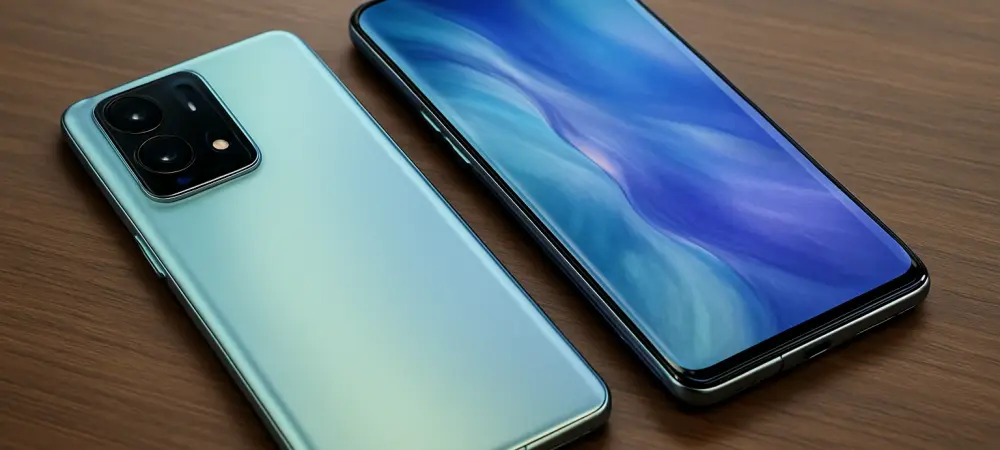
In a world where flagship smartphones are increasingly defined by cutting-edge features and sky-high price tags, Oppo has entered the fray with its latest offerings, the Find X9 and Find X9 Pro, which were unveiled just two weeks ago and are already making waves in China. With a global launch slated for early November, these devices promise to bring premium performance to international markets, boasting exceptional battery life, top-tier camera systems, and sleek designs. However, with prices starting at €1,000 for the base model and climbing to €1,300 for the Pro variant, the question looms large: do these smartphones offer enough value to justify their steep costs? As competition in the high-end smartphone segment intensifies, consumers are faced with a plethora of choices, each vying for attention with unique strengths. This exploration delves into the standout features of both models, weighs them against rival offerings, and considers whether the premium pricing aligns with the delivered experience.
Unveiling the Flagship Features
The Oppo Find X9 Pro emerges as a powerhouse in the premium smartphone arena, priced at €1,300 for its 16GB/512GB configuration, and it’s clear that no expense was spared in its design. A standout feature is its massive 7,500mAh battery, which has already been lauded for topping endurance charts, offering users extended usage without the constant need for a charger. Beyond battery life, the camera system shines with remarkable performance, delivering crisp, detailed shots that rival the best in the industry. The display quality and overall processing power, driven by the Dimensity 9500 chipset, further cement its status as a top-tier device. While these elements position the Pro model as a leader in innovation, the high cost raises eyebrows, especially for budget-conscious buyers who must decide if such features are essential or merely luxurious add-ons in an already crowded market of capable devices.
Turning to the Oppo Find X9, priced at a more accessible €1,000 for the 12GB/256GB variant, this model offers a compelling balance of performance and affordability within the flagship category. Sporting a slightly smaller 6.59-inch display compared to the Pro’s 6.78 inches, it still packs a punch with a robust 7,025mAh battery, potentially outlasting its sibling due to the reduced screen size. Early hands-on impressions suggest notable camera upgrades over its predecessor, particularly with a new 50MP sensor, though the telephoto lens remains unchanged. Powered by the same Dimensity 9500 chipset, it doesn’t skimp on speed or efficiency. For those seeking a compact yet powerful device without the Pro’s hefty price tag, this model presents an attractive option, though it remains to be seen if it can carve out a distinct identity against competitors offering similar specs at potentially lower costs.
Competitive Landscape and Market Positioning
In a fiercely competitive flagship market, the Oppo Find X9 and X9 Pro must stand tall against formidable rivals like the vivo X300 Pro, recently launched in Europe, and the Xiaomi 17 Pro Max, whose global availability remains uncertain. The Find X9 Pro, in particular, outshines the Xiaomi in camera capabilities and battery endurance, setting a high benchmark for what a premium device should offer. However, when pitted against the vivo model, the differences are less pronounced, with both brands catering to similar consumer demands for quality imaging and lasting power. The steep pricing of Oppo’s duo aligns with the flagship segment’s norms but could deter potential buyers who might find comparable features in slightly cheaper alternatives. This dynamic underscores the challenge Oppo faces in convincing users that its innovations are worth the extra investment in an era of razor-thin margins between top-tier devices.
Beyond direct comparisons, the broader smartphone landscape reveals a growing consumer emphasis on battery life and camera performance as key differentiators in premium purchases. Both Oppo models excel in these areas, reflecting an acute awareness of market trends where users prioritize longevity and photographic prowess over mere incremental upgrades in processing speed. The Find X9 Pro, with its chart-topping battery and imaging strengths, positions itself as a benchmark for excellence, while the standard X9 offers a more palatable entry point into this high-end experience. Yet, with competitors like the Samsung Galaxy S25 series and Google Pixel 10 Pro also vying for attention, Oppo must rely on these strengths to differentiate itself. The balance between innovation and affordability remains a critical factor, as buyers weigh whether the brand’s latest offerings truly deliver unmatched value or simply match the status quo at a higher cost.
Weighing the Investment Value
Reflecting on the launch of the Oppo Find X9 and X9 Pro, it becomes evident that both devices carve a niche with their exceptional battery capacities and advanced camera systems, setting a high standard for what flagship smartphones can achieve. The Pro model, despite its €1,300 price, delivers a no-compromise experience for those who demand the best, while the X9, at €1,000, strikes a balance for users seeking premium features without the top-tier cost. Moving forward, potential buyers should carefully assess their priorities—whether it’s the allure of cutting-edge specs or the practicality of a slightly toned-down yet powerful device. Comparing these models with upcoming releases from rival brands could provide further clarity on their true standing. Additionally, keeping an eye on post-launch discounts or bundled offers might tip the scales for those hesitant about the initial investment, ensuring that the decision aligns with both needs and budget constraints in a rapidly evolving tech landscape.