

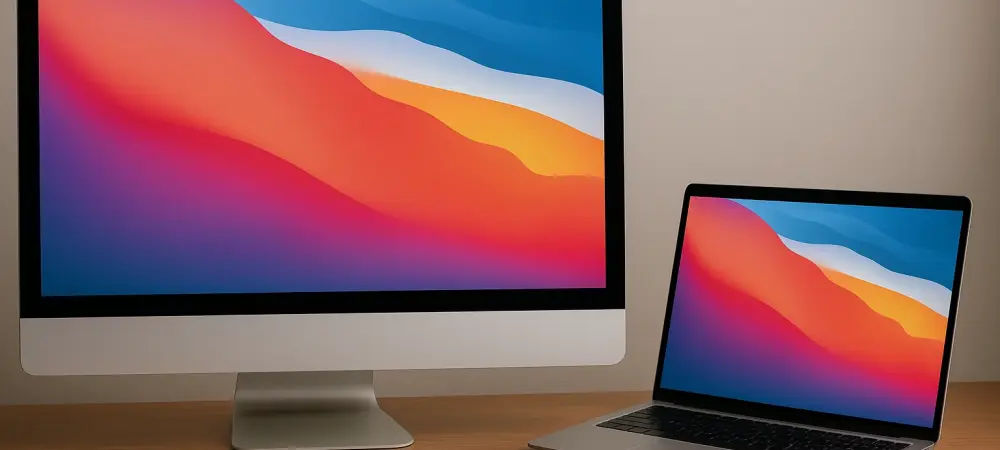
Apple has addressed long-standing system freezes by implementing a completely rebuilt indexing architecture for Spotlight, Mail, and the Photos application. This foundational change signals the arrival of macOS 27 Golden Gate, an operating system that prioritizes stability and efficiency over mere visual novelty. Released in September 2026, Golden Gate marks a definitive break from the past, as it is the first version of the platform to completely omit support for Intel-based processors. This pivot allows the software to leverage the full power of Apple Silicon without the burden of legacy compatibility layers that previously occupied valuable system resources. While its predecessor, macOS 26 Tahoe, introduced the bold “Liquid Glass” aesthetic and the first iterations of Apple Intelligence, Golden Gate is tasked with perfecting these concepts. It is an era of refinement where artificial intelligence is no longer a peripheral addition but a deeply integrated component of the kernel itself. The transition represents a shift from experimental software to a mature, production-ready ecosystem designed to meet the demands of high-performance computing in a world where machine learning is ubiquitous. By focusing on the nuances of user interaction and system responsiveness, Apple has created an environment that feels both familiar and fundamentally more capable, ensuring that the Mac remains the primary choice for professionals and creatives alike.
The Maturity: Contextual AI and Integrated Writing Tools
Siri has undergone its most significant transformation since its inception, moving beyond simple voice commands to become a truly contextually aware agent. This evolution is driven by the integration of personal context understanding, which allows the assistant to parse user-specific data across various applications without compromising privacy. For example, a user can now ask the system to find a specific spreadsheet mentioned in a brief conversation three days ago, and the AI will scan Messages, Mail, and local files to retrieve the exact document. This level of integration is facilitated by on-device processing that avoids the latency and security risks associated with cloud-based computation. Furthermore, the introduction of Visual Intelligence enables the assistant to interact directly with the content displayed on the screen. By analyzing the active window, the system can provide summaries of long-form articles, extract data from complex charts, or offer real-time translations of text within images. This functionality is supported by a dedicated Siri application that provides a persistent history of interactions, allowing users to revisit previous queries and maintain a cohesive workflow across different sessions and devices within the ecosystem.
The refinement of the Writing Tools suite in Golden Gate introduces a sophisticated feature known as Style Matching, which fundamentally changes how users interact with text generation. Unlike earlier versions that offered generic tone adjustments, the current iteration analyzes the specific linguistic patterns, vocabulary preferences, and formality levels of the individual user to produce suggestions that feel authentic. When drafting an email in Mail or a proposal in Pages, the AI provides rewrites that mirror the user’s established voice, whether it is highly technical for a colleague or conversational for a family member. This reduction in cognitive load is particularly valuable for professionals who must balance multiple communication styles throughout the day. Additionally, these tools now include enhanced summarization capabilities that can distill hours of recorded meetings into actionable bullet points or transform lengthy PDF reports into concise executive summaries. By embedding these capabilities directly into the operating system’s text engine, Apple has ensured that AI-assisted writing is available across nearly every third-party application, creating a unified experience that enhances productivity.
Under the Hood: System Optimization and the ARM Shift
Beyond the visible interface changes, the core of macOS 27 Golden Gate is built upon a leaner, more efficient kernel that has been fully optimized for the ARM-based architecture of M-series chips. The removal of legacy code meant for Intel processors has allowed Apple engineers to streamline system processes, leading to noticeable improvements in power management and thermal performance. This architectural shift is most apparent in the speed of system-level tasks, such as application launching and file encryption, which now occur with significantly lower latency. The operating system handles background processes with greater intelligence, prioritizing active tasks while ensuring that low-priority threads do not consume excessive battery life on portable machines. Networking has also seen a boost, with protocols like AirDrop and Handoff becoming more resilient and faster due to improved hardware-software synergy. This optimization ensures that even as the complexity of the software increases with the addition of advanced machine learning models, the overall user experience remains fluid and responsive. The decision to cut ties with the Intel era was a necessary step to provide the computational headroom required for the next generation of software features, and the result is a system that feels markedly more robust than its predecessors. The ground-up rebuild of the indexing protocols serves as the backbone for the improved responsiveness found throughout Golden Gate. In previous versions, the metadata folders responsible for powering Spotlight and Mail searches were prone to corruption, often leading to system-wide lags or the inability to locate critical files. The new architecture implements a more resilient database structure that performs continuous integrity checks without taxing the CPU, resulting in near-instantaneous search results. Furthermore, the Photos application benefits from this indexing overhaul by allowing for faster categorization of visual content based on AI-detected objects, locations, and facial recognition. The system can now maintain a complex relational map of a user’s data, enabling sophisticated cross-application searches that were previously impossible. For instance, searching for a specific project name can now surface related emails, calendar events, and images simultaneously, providing a holistic view of the user’s digital assets. This focus on the “plumbing” of the operating system demonstrates Apple’s commitment to solving the technical debt that often accumulates in long-lived software platforms, ensuring a stable foundation for the future of desktop computing.
Visual Refinement: Solving the Liquid Glass Equation
The “Liquid Glass” design language, which debuted with a focus on transparency and light refraction, has reached its final, polished form in macOS 27 Golden Gate. Addressing the mixed reception of the previous year, Apple has introduced significant modifications to enhance visual clarity and legibility. The diffusion process used for translucent windows has been recalibrated to ensure that text and UI elements remain sharply defined, regardless of the complexity or color of the underlying wallpaper. A major update to the System Settings now includes a dedicated transparency slider, granting users the unprecedented ability to adjust the intensity of the blur and tint effects according to their personal preference or accessibility needs. This move signals a departure from the company’s historically rigid design philosophy, acknowledging that a professional workspace requires a balance between aesthetic innovation and practical usability. By allowing users to control the visual weight of the interface, Apple has mitigated the eye strain and navigation difficulties that some encountered in earlier iterations of the design. This refinement ensures that the operating system looks modern and sophisticated without sacrificing the high-contrast environments necessary for focused work and productivity.
Navigation within the operating system has been further improved through the reintroduction of color-coded sidebar icons and a more disciplined approach to the visual hierarchy. In the years following the move toward monochromatic interfaces, many users expressed frustration with the difficulty of distinguishing between different system folders at a glance. Golden Gate restores subtle but effective color cues in the Finder and other core applications, allowing for faster visual scanning and a more intuitive navigation experience. Additionally, the operating system now enforces a strictly uniform corner radius for all windows and menus, creating a sense of cohesion across the entire desktop environment. Toolbars have been restructured to group related functions more logically, reducing clutter and making essential controls more accessible. These changes are complemented by an improved window management system that better utilizes screen real estate, especially on high-resolution Studio Displays and the latest MacBook Pro models. The result is an interface that feels both expansive and organized, providing a professional-grade workspace that supports complex multitasking without overwhelming the user with unnecessary visual noise.
Functional Evolution: Proactive Browsing and Generative Editing
Safari has transitioned from a standard web browser into a proactive digital assistant that anticipates the needs of the user through advanced machine learning. One of the most impactful features is the new AI Tab Management, which automatically categorizes open tabs into logical groups based on the subject matter of the content. This is particularly useful for researchers or developers who often find themselves managing dozens of pages simultaneously; the system can recognize when a group of tabs relates to a specific travel plan, a coding project, or a shopping list and organize them accordingly. Another innovation is the “Notify Me” tool, which allows users to set specific monitoring parameters for web pages. If a product returns to stock, a price changes, or a news article is updated with new information, the system sends a notification directly to the user, allowing them to close the tab and focus on other tasks in the interim. Furthermore, Safari now handles password security with a higher degree of automation. When the system detects that a user’s credentials have been compromised in a data breach, it can proactively navigate to the site, log in, and generate a new, secure password without requiring manual intervention, significantly enhancing the security posture of the average user with minimal effort.
The Photos application has received a substantial upgrade with the integration of generative AI tools that rival professional editing software. The most impressive of these is Spatial Reframing, which allows users to expand the canvas of a photograph beyond its original borders by using AI to generate the surrounding environment. Perspective Correction has also been enhanced, enabling users to shift the virtual camera angle after a photo has been taken, effectively recomposing the image to correct for distortions or poor framing. For those looking to create entirely new content, the Image Playground feature provides a sandbox for generating high-quality visuals from text prompts, though higher-volume usage is now tied to an iCloud+ subscription to manage the significant computational resources required. These tools are not just about artistic creation; they also serve practical purposes, such as removing distracting objects from the background with a single click or automatically enhancing the lighting on subjects in low-light conditions. By democratizing these advanced editing capabilities, Golden Gate makes professional-level photography more accessible to the general public while providing powerful shortcuts for experienced editors.
Digital Safety and Hardware Requirements
In collaboration with leading pediatric experts, Apple has introduced a robust suite of family safety and digital well-being features within Golden Gate. The “Ask to Browse” function provides a new layer of parental oversight by requiring children to request permission before visiting any website not previously approved. This request is sent directly to the parent’s device, where they can review the site’s content and safety rating before granting access. Communication Safety has also been expanded beyond its original scope; it now uses on-device machine learning to detect and blur not only sexually explicit material but also graphic or violent imagery in Messages and other communication apps. To help parents navigate the complexities of screen time, Apple now offers Time Allowances, which are data-backed recommendations for daily limits on gaming, social media, and entertainment based on the child’s age and developmental stage. These limits can be easily customized, but the inclusion of expert suggestions provides a helpful starting point for families trying to establish healthy digital boundaries. By integrating these tools directly into the system settings, the Mac becomes a more secure and controlled environment for the next generation of users, reflecting a broader commitment to the social impact of technology.
The release of macOS 27 Golden Gate represents a clear line in the sand regarding hardware compatibility, signaling the complete transition to an Apple Silicon-only ecosystem. While the operating system supports a wide range of devices, including the original M1 MacBook Air, the most advanced AI features are reserved for hardware with the M3 chip or later and a minimum of 12GB of RAM. This distinction ensures that the most demanding processes do not degrade the performance of older machines, but it also establishes a clear upgrade path for users who wish to utilize the full extent of Apple Intelligence. For those using the newly released MacBook Neo or the latest Mac Studio, the performance gains are substantial, with dedicated hardware acceleration for the system’s most innovative features. This strategy allows Apple to push the boundaries of what is possible on the desktop while maintaining a functional experience for those with older, yet still powerful, silicon. It marks the beginning of a new era where the hardware and software are so deeply intertwined that the distinction between the two begins to disappear.
Strategic Implementation: Practical Steps and Future Considerations
The successful deployment of macOS 27 Golden Gate required a disciplined approach to system management, particularly for users transitioning from the less stable Tahoe environment. Early adopters found that performing a clean installation, rather than a standard update, often yielded the best results in terms of indexing speed and general responsiveness. This process allowed the new architecture to build its metadata databases from scratch, avoiding the potential for inherited errors from previous versions. Furthermore, IT professionals and power users were encouraged to audit their application libraries for any remaining Intel-based software, as the removal of native support meant such apps would rely entirely on translation layers. Taking the time to update to universal binaries or ARM-native versions became a critical step in maximizing the efficiency of the new kernel. For those managing multiple devices, the synchronization of AI learning across the iCloud ecosystem proved to be a significant productivity booster, as Siri’s understanding of personal context was shared seamlessly between the Mac, iPad, and iPhone. This holistic approach to the upgrade process ensured that the transition was not just a software update, but a total optimization of the user’s digital workspace.
Looking toward the horizon, the innovations introduced in Golden Gate suggested a future where the operating system would become increasingly invisible, acting more as an intelligent facilitator than a traditional interface. The refinement of the Liquid Glass design and the maturation of Apple Intelligence indicated a shift toward “invisible computing,” where the system anticipates user needs before they are explicitly stated. Developers were invited to integrate their own machine learning models into the new Siri framework, opening the door for third-party apps to benefit from the same contextual awareness that defines Apple’s native tools. This collaborative approach hinted at an ecosystem where cross-app functionality would become the standard, breaking down the silos that traditionally separated different types of software. As the generative AI tools continue to evolve, the groundwork laid by Golden Gate provided a stable and intelligent platform, ensuring that the next decade of computing would be defined by a more human-centric and intuitive relationship between people and their devices.