

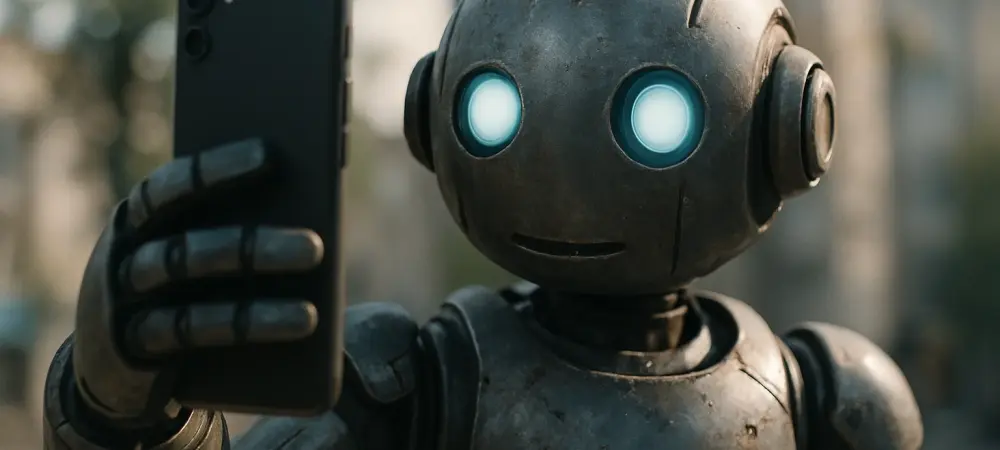
I’m thrilled to sit down with Dominic Jainy, a seasoned IT professional whose deep knowledge of artificial intelligence, machine learning, and blockchain offers a unique perspective on cutting-edge tech. Today, we’re diving into the fascinating world of Honor’s Robot Phone, a concept device that’s turning heads with its AI-powered gimbal camera and futuristic design. In our conversation, we’ll explore the inspiration behind this innovative smartphone, the technology driving its standout features, its potential impact on content creators, and what this bold design signals for the future of mobile devices.
What sparked the idea behind Honor’s Robot Phone, and how did the concept of integrating a robotic arm with a gimbal camera come to life?
I’ve been following the evolution of smartphone designs, and Honor’s Robot Phone stands out as a truly bold move. The idea was to push the boundaries of what a smartphone can do, especially in terms of hands-free functionality. The robotic arm and gimbal camera were inspired by the growing demand for seamless video recording, particularly among content creators who need stability and automation without lugging around extra gear. Honor wanted to merge professional-grade camera tech with the convenience of a phone, and after exploring various mechanisms, they landed on this robotic arm design to give users a dynamic, AI-driven experience.
How does the gimbal camera on the Robot Phone actually work to track subjects automatically?
The gimbal camera is a game-changer. It’s mounted on a small robotic arm that extends from the rear module and uses a combination of sensors and AI algorithms to detect and follow subjects in real-time. Whether you’re walking, dancing, or just moving around, the camera adjusts its angle and rotation to keep you in frame. It’s like having a personal cinematographer built into your phone, ensuring smooth footage without the shakes you’d get from handheld recording.
Can you walk us through the AI technology that powers the camera’s ability to keep subjects in focus?
Absolutely. The AI behind the gimbal camera relies on advanced machine learning models trained to recognize human faces, bodies, and even specific gestures. It processes visual data from the camera feed in real-time to predict movement patterns and adjust accordingly. This isn’t just basic tracking; it’s sophisticated enough to prioritize the main subject even in crowded scenes, leveraging edge computing to minimize latency. It’s a brilliant application of AI that makes video recording effortless.
Who do you see as the primary users of a device like the Robot Phone with its hands-free recording feature?
While vloggers and content creators are the obvious target audience—given their need for stable, hands-free video—this phone has broader appeal. Think about parents capturing their kids’ soccer games, travelers documenting adventures, or even fitness enthusiasts recording workouts without needing a tripod. The hands-free capability lowers the barrier for anyone who wants high-quality video without the hassle of extra equipment. It’s really about empowering everyday users to create professional-looking content.
What can you tell us about the design aesthetic and build quality of the Robot Phone?
The design of the Robot Phone is striking yet familiar. It borrows elements from premium devices with its rounded corners and flat frame, but the rear camera module with the gimbal arm sets it apart. Honor offers it in Black, White, and Gold, with options for leather or glass backs, which cater to different tastes—leather for a tactile, luxurious feel, and glass for a sleek, modern look. The materials feel high-end, and the overall build suggests durability, which is crucial for a device with moving parts like the robotic arm.
How did attendees at the Honor User Carnival in China react to seeing the Robot Phone on display?
The response at the Honor User Carnival was overwhelmingly positive. People were fascinated by the gimbal camera—many couldn’t believe a phone could do something so advanced. Since it was showcased in a glass case, attendees couldn’t interact with it directly, but the buzz was all about the potential. A lot of folks were snapping photos and speculating about how it would perform in real-world scenarios. There was a real sense of excitement about what this could mean for smartphone innovation.
What’s your take on the technical features we’ve heard about, like the USB Type-C port on the camera module?
The inclusion of a USB Type-C port on the camera module is intriguing. While Honor hasn’t confirmed its exact purpose, it’s likely designed for connecting external accessories—think microphones or additional lenses to enhance the recording setup. This kind of versatility could make the Robot Phone a hub for creators who want to customize their gear. Beyond that, the dual USB ports—one on the module and one at the base—hint at thoughtful engineering to ensure connectivity isn’t compromised by the unique design.
What’s your forecast for the future of smartphone innovations like the Robot Phone?
I’m optimistic that devices like the Robot Phone are just the beginning of a wave of hybrid tech in smartphones. We’re likely to see more integration of robotics and AI, not just in cameras but in other functionalities—think adaptive displays or self-adjusting hardware for accessibility. The challenge will be balancing innovation with practicality and cost, but if Honor can refine this concept and make it accessible, it could redefine how we interact with our devices. I believe we’re on the cusp of smartphones becoming true multi-purpose tools, blurring the lines between consumer tech and professional equipment.