

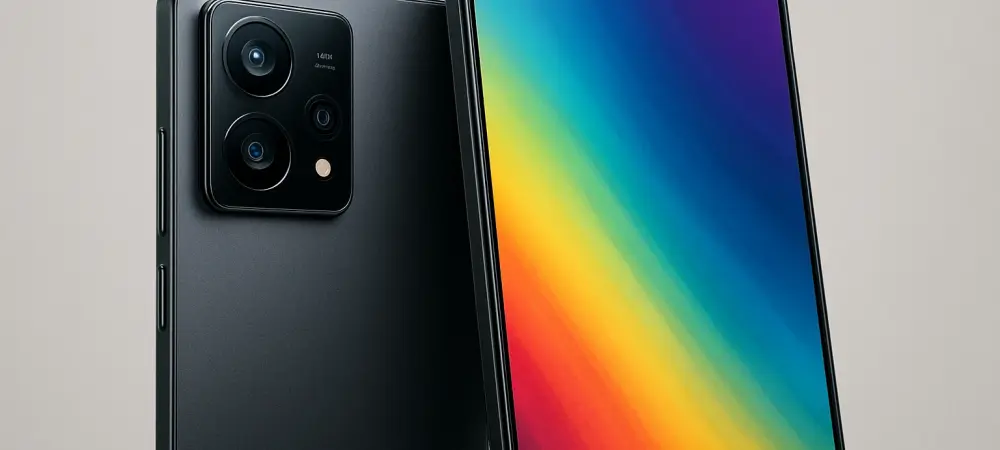
I’m thrilled to sit down with Dominic Jainy, an IT professional whose deep knowledge of artificial intelligence, machine learning, and blockchain also extends to cutting-edge smartphone technology. With his keen interest in how emerging tech shapes industries, Dominic is the perfect person to help us unpack the latest leaks and rumors surrounding the Redmi K90 Ultra, a device poised to push boundaries in Xiaomi’s K-series lineup. In our conversation, we dive into the speculated upgrades in display, battery, and performance, explore how this model might compare to its siblings, and discuss what these advancements could mean for users, especially gamers and tech enthusiasts. Let’s get started!
What can you tell us about the buzz surrounding the Redmi K90 Ultra based on the latest leaks?
I’ve been following the leaks closely, and there’s a lot of excitement building around the Redmi K90 Ultra. It’s shaping up to be a significant step forward for Xiaomi’s K-series, with whispers of a larger, faster display, a beefed-up battery, and hardware that’s heavily focused on performance. Compared to earlier models, this could be one of the most ambitious Ultra variants yet, potentially setting a new benchmark for what a mid-to-high-end device can offer in terms of raw power and user experience.
How do the rumored upgrades for the K90 Ultra stand out when compared to previous K-series phones?
From what’s been shared by tipsters, the K90 Ultra seems to be getting a major overhaul in key areas. The display is said to be bigger and sharper, possibly with a higher refresh rate than we’ve seen in models like the K90 Pro Max. There’s also talk of a massive battery upgrade, which could outshine even the already impressive cells in earlier Ultra models. Add to that a performance-driven chipset and software tweaks for smoother operation, and it looks like Xiaomi is aiming to make this device a powerhouse, especially for users who prioritize speed and endurance over, say, camera prowess.
Speaking of the display, what are the standout specs rumored for the K90 Ultra’s screen?
The leaks point to an LTPS OLED display, likely sizing between 6.81 and 6.89 inches, with a 1.5K resolution and an incredible 165Hz refresh rate. That’s a pretty premium setup, especially for a device in this segment. It’s also said to have rounded edges and a metal middle frame, which suggests a sleek, modern look with added durability. If these specs hold true, the K90 Ultra could offer one of the most immersive visual experiences in the K-series lineup so far.
How does a 165Hz refresh rate impact the user experience, particularly for gamers?
A 165Hz refresh rate is a game-changer, quite literally, for mobile gamers. It means the screen refreshes 165 times per second, making animations and transitions incredibly smooth. For fast-paced games like shooters or racing titles, this can translate to quicker reaction times and a more fluid feel, giving players a competitive edge. Even outside gaming, scrolling through apps or watching high-action content feels buttery smooth, which just elevates the overall interaction with the device.
Let’s move to the battery, which seems to be a major highlight. What’s the rumored capacity for the K90 Ultra?
The leaks are pretty exciting on this front. The K90 Ultra is tipped to pack an 8,000mAh battery, or possibly even larger. That’s a huge jump from the 7,560mAh battery in the K90 Pro Max and a significant upgrade over earlier Ultra models. If this pans out, we’re looking at a device that could redefine expectations for battery life in smartphones, especially for power users.
What kind of real-world impact could a battery of this size have on daily use or gaming?
An 8,000mAh battery is massive by today’s standards, and it could mean days of use on a single charge for most people, even with heavy usage. For gamers, this is huge—extended play sessions without constantly hunting for a charger. It also supports multitasking, streaming, and other demanding tasks without the anxiety of draining the battery midday. Of course, the actual performance depends on optimization, but on paper, this could be a device that keeps going long after others would’ve powered down.
Shifting gears to performance, what’s the word on the chipset powering the K90 Ultra?
The rumor mill suggests it’ll be running on a MediaTek Dimensity 9-series chip, potentially the Dimensity 9500 Plus, which hasn’t even been officially unveiled yet. This indicates Xiaomi might be betting big on MediaTek’s latest tech to deliver top-tier performance. Unlike the Snapdragon chips in the K90 Pro Max or standard K90, this could offer a different balance of power efficiency and raw speed, possibly tailored for gaming and high-demand apps with some unique optimizations.
There’s also mention of a special high-frame-rate software layer. Can you explain what that might mean for users?
This high-frame-rate software layer is intriguing. From what’s been hinted at, it sounds like a custom optimization designed to push the display and hardware to maintain consistently high frame rates, especially during gaming or other graphics-intensive tasks. It could minimize stuttering or lag, ensuring a seamless experience even under heavy load. If done right, this could make interactions feel incredibly responsive, setting the K90 Ultra apart from competitors that rely solely on hardware for performance boosts.
Since the leaks don’t say much about the camera, what are your thoughts on what we might expect from the K90 Ultra’s photography capabilities?
Given that the leaks emphasize performance over photography, I suspect the camera on the K90 Ultra might not be the main selling point. That said, Xiaomi usually equips its K-series with competent setups, so I’d expect at least a solid primary sensor, maybe in the 50-megapixel range, paired with decent secondary lenses. It might not rival true flagship camera systems, but it could still handle everyday shots and casual photography well enough. The focus seems to be elsewhere, which might appeal to users who prioritize speed and battery over snapping pro-level pics.
Finally, what’s your forecast for the future of performance-focused smartphones like the K90 Ultra in the coming years?
I think we’re going to see an even stronger push toward performance-focused devices like the K90 Ultra as mobile gaming and augmented reality applications continue to grow. Manufacturers will likely keep packing in bigger batteries, faster chipsets, and software optimizations to cater to power users. At the same time, I expect advancements in cooling systems and energy efficiency to become critical, ensuring these high-performance phones don’t overheat or drain too quickly. The K90 Ultra could be a preview of this trend, balancing raw power with usability, and I’m excited to see how this space evolves over the next few years.