

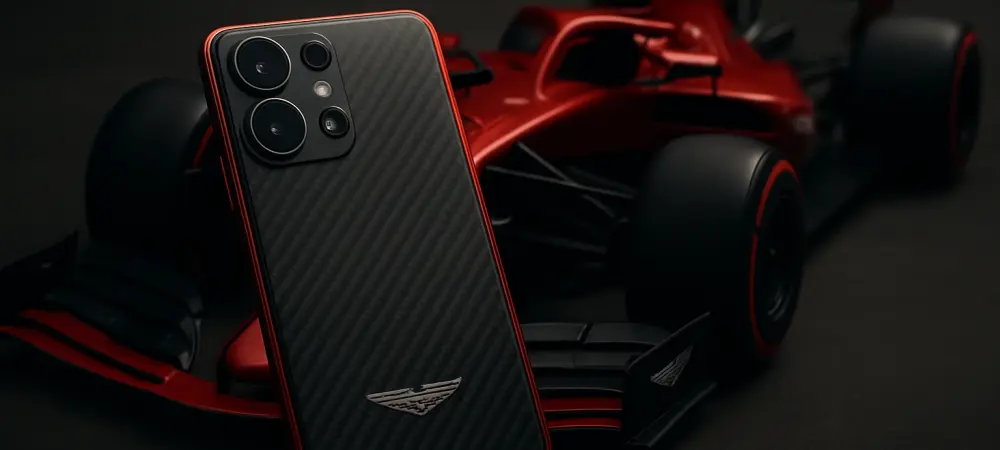
In a world where technology and luxury increasingly intersect, the upcoming release of a limited-edition smartphone inspired by the high-octane realm of Formula 1 racing captures attention like few others. This device, born from a collaboration between a leading Chinese smartphone manufacturer and an iconic luxury carmaker, promises to blend cutting-edge performance with the thrill of motorsport aesthetics. Set to debut on November 10 in China, this flagship offering targets enthusiasts and collectors who crave exclusivity as much as innovation. The announcement, shared via social media, has already sparked excitement among tech and racing fans alike, highlighting a growing trend where premium branding meets advanced hardware. This fusion not only elevates the user experience but also redefines what a smartphone can represent in terms of style and identity.
Unveiling Design and Inspiration
Motorsport Aesthetics in Focus
The design of this limited-edition smartphone draws heavily from the world of Formula 1, embodying the spirit of speed and precision associated with a renowned racing team. A striking green hue, reminiscent of the team’s signature color, adorns the device, while a silver-wing logo on the back adds a touch of elegance and branding. Beyond the visual appeal, the packaging itself enhances the exclusivity with a custom gift box that includes racing-themed accessories. Items like a specially designed phone case and a SIM card pin shaped like a race car further immerse users in the motorsport narrative. This attention to detail ensures that every aspect of the product reflects a commitment to authenticity and craftsmanship, appealing to those who value both form and function in their tech gadgets. The aesthetic choices are not merely cosmetic but serve as a bridge between the adrenaline of the racetrack and the sophistication of modern technology.
Software Enhancements with Racing Flair
Complementing the exterior design, the software of this smartphone integrates elements that echo the high-energy atmosphere of Formula 1. Custom boot animations, wallpapers, and camera watermarks inspired by racing themes create a cohesive user experience that feels distinctly tied to the sport. Additionally, a specialized mode for performance optimization and charging effects that mimic the intensity of a race add layers of personalization. These features are crafted to resonate with fans of motorsport, offering a digital environment that mirrors the excitement of a Grand Prix. The thoughtful integration of such elements demonstrates how software can elevate a device beyond its hardware, creating an emotional connection with users. This approach sets a benchmark for how thematic branding can extend into the digital interface, ensuring that every interaction with the device feels like part of a larger narrative of speed and competition.
Performance and Technical Excellence
Powerhouse Hardware Specifications
Underneath its visually captivating exterior, this smartphone packs hardware that matches the prowess of its standard flagship counterpart. Powered by the latest Snapdragon 8 Elite Gen 5 chipset, it promises top-tier performance capable of handling the most demanding applications and games with ease. A substantial 7,000 mAh battery supports extended usage, complemented by rapid 120 W wired charging and 50 W wireless charging capabilities for minimal downtime. The 6.79-inch BOE Q10+ OLED display delivers a premium visual experience, ideal for media consumption and gaming. This combination of cutting-edge components ensures that the device is not just a collector’s item but a practical powerhouse for everyday use. The hardware reflects a commitment to excellence, catering to users who demand both style and substance in their mobile technology, making it a standout in a crowded market of high-end smartphones.
Advanced Imaging Capabilities
The camera system of this device further solidifies its position as a flagship contender, offering an impressive array of lenses for diverse photography needs. A 50 MP primary sensor captures stunning detail, while a 50 MP ultra-wide lens expands the frame for breathtaking landscapes and group shots. The standout feature, however, is the 200 MP telephoto lens, which provides exceptional zoom capabilities for distant subjects without sacrificing clarity. On the front, a 32 MP camera ensures high-quality selfies and video calls. This robust setup caters to both amateur and professional photographers, delivering versatility across various lighting conditions and scenarios. The focus on imaging excellence highlights how smartphone technology continues to push boundaries, offering tools that rival dedicated cameras. Such capabilities ensure that users can document their world with precision, aligning with the device’s overarching theme of unmatched performance and innovation.
Reflecting on a Unique Collaboration
Legacy of Luxury Partnerships
Looking back, the launch on November 10 in China marked a significant moment in the ongoing partnership between a prominent smartphone maker and a luxury automotive brand. This collaboration, the second of its kind, built on earlier efforts to fuse high-performance technology with the prestige of motorsport. The release showcased how such alliances could create products that resonate deeply with niche audiences, blending exclusivity with functionality. The racing-inspired design, paired with top-notch hardware, underscored a deliberate effort to cater to collectors and enthusiasts who sought something beyond the ordinary. This partnership not only celebrated a shared vision of innovation but also set a precedent for how tech and luxury could intersect, leaving a lasting impression on the industry.
Future Implications for Branded Tech
Reflecting on this release, it became evident that the trend of branded, limited-edition devices held immense potential for shaping consumer expectations. Moving forward, manufacturers might explore similar collaborations to differentiate their offerings in a saturated market, focusing on unique aesthetics and thematic experiences. For consumers, the availability of such products could redefine purchasing decisions, prioritizing emotional resonance alongside technical specs. Industry stakeholders might also consider how to balance exclusivity with accessibility, ensuring broader appeal without diluting the prestige of such editions. This launch served as a catalyst for discussions on the evolving role of branding in technology, hinting at a future where personalization and partnerships drive innovation in unexpected ways.