

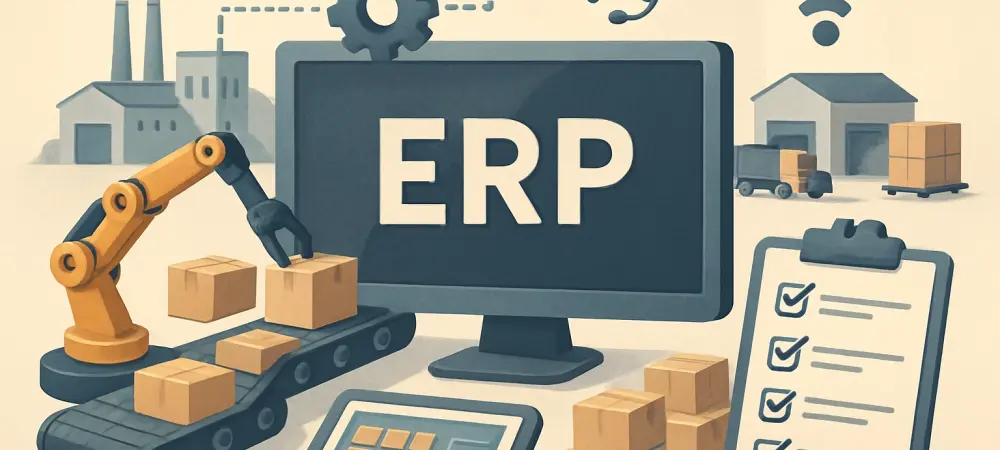
In today’s fast-paced global market, supply chain efficiency stands as a cornerstone for businesses aiming to maintain a competitive edge, especially in industries like food manufacturing where precision and speed are non-negotiable. Imagine a sprawling enterprise struggling with sluggish inventory tracking, delayed invoicing, and compliance risks due to outdated, manual processes. This scenario, faced by many organizations, often results in missed opportunities and operational bottlenecks. However, the advent of Enterprise Resource Planning (ERP) automation offers a powerful solution to these challenges. By integrating advanced technologies into a unified digital ecosystem, companies can revolutionize their operations, achieving unprecedented levels of agility and insight. This transformation, driven by platforms like Microsoft Dynamics 365 Finance and Operations (F&O), not only addresses inefficiencies but also positions businesses for scalable growth in an increasingly complex landscape.
Overcoming Traditional Supply Chain Barriers
Addressing Manual Process Inefficiencies
For many enterprises, the reliance on manual processes has long been a significant barrier to supply chain efficiency, often leading to errors and delays that ripple across operations. In the case of a leading global food enterprise, challenges such as paper-based documentation and slow data entry plagued critical functions like inventory management and financial reporting. These outdated methods hindered decision-making, as teams lacked real-time access to accurate information, resulting in prolonged response times to market demands. The introduction of ERP automation through a tailored implementation of Dynamics 365 F&O marked a turning point. By digitizing workflows, the company eliminated cumbersome manual tasks, paving the way for faster, more reliable processes. This shift not only reduced human error but also freed up valuable time for employees to focus on strategic priorities, demonstrating how automation can directly address the root causes of operational lag in high-volume industries.
Enhancing Visibility Across Disconnected Systems
Another pervasive issue in traditional supply chains is the fragmentation of systems, where disparate tools and platforms create silos that obscure a holistic view of operations. Before adopting ERP automation, the food enterprise grappled with disconnected finance, warehouse, and supply chain functions, making it nearly impossible to track inventory or ensure compliance across multiple facilities. This lack of integration often led to costly mistakes, such as inaccurate stock levels or delayed shipments. With the deployment of a unified ERP platform, supported by robust integration layers, these silos were dismantled. Real-time data exchange became the norm, offering enterprise-wide visibility through intuitive dashboards. Tools like Power BI further enhanced this transparency by delivering instant insights into operational and financial metrics. Such advancements underscore how ERP automation bridges gaps between systems, ensuring that every department operates with the same accurate, up-to-date information to drive informed decisions.
Driving Efficiency Through Technological Innovation
Streamlining Warehouse Operations with Mobile Solutions
Warehouse operations often serve as the backbone of supply chain efficiency, yet they are frequently bogged down by inefficiencies like paper-based tracking and manual picking processes. In the transformation journey of the food enterprise, warehouse challenges were met head-on with innovative mobile solutions built on Power Apps. By integrating barcode and RFID scanning, the company achieved a remarkable 30% increase in picking accuracy while eliminating paper usage entirely. Real-time updates to inventory records became standard, enabling staff to respond swiftly to stock discrepancies or urgent orders. This mobile-driven approach not only accelerated warehouse workflows but also reduced operational costs associated with errors and delays. The success of this implementation highlights the critical role of tailored technological interventions in modernizing supply chain components, ensuring that even the most labor-intensive processes can be optimized for speed and precision in demanding environments.
Automating Financial Processes for Speed and Compliance
Financial operations, particularly accounts payable, represent another area where manual inefficiencies can severely impact supply chain performance through delayed payments and compliance risks. Initially, the food enterprise faced invoice processing times of up to seven days due to manual data entry and approval bottlenecks. ERP automation, enhanced by Optical Character Recognition (OCR) integration within Dynamics 365 F&O, transformed this landscape by slashing turnaround times to just three days—a 60% reduction in manual effort. Automated workflows ensured that invoices were processed with greater accuracy, minimizing errors that could disrupt vendor relationships. Additionally, advanced reporting tools supported by Azure Synapse Analytics provided instant audit trails, bolstering compliance with regulatory standards. This overhaul of financial processes illustrates how ERP automation not only accelerates transactional speed but also fortifies organizational integrity, creating a ripple effect of reliability across the broader supply chain network.
Unlocking Data-Driven Insights for Strategic Growth
Beyond operational enhancements, the true power of ERP automation lies in its ability to harness data for strategic decision-making, a capability that proved transformative for the food enterprise. Prior to automation, slow and fragmented reporting systems left leadership struggling to gain actionable insights into performance metrics. The integration of Power BI dashboards and advanced analytics changed this dynamic by delivering real-time financial and operational intelligence. Inventory trace reports, which once took significant time, were reduced by 60%, while full lot traceability was achieved in under five seconds. Such rapid access to data empowered managers to anticipate market shifts, optimize resource allocation, and ensure compliance with stringent industry standards. This data-driven approach exemplifies how ERP automation transcends mere efficiency gains, positioning companies to proactively address future challenges and scale operations with confidence in a competitive global arena.
Reflecting on a Digital Transformation Success
Measuring the Impact of Automated Solutions
Looking back, the partnership between a global food enterprise and a solutions provider to implement ERP automation through Dynamics 365 F&O delivered measurable outcomes that redefined supply chain efficiency. Inventory trace speeds improved by 60%, warehouse picking accuracy rose by 30%, and manual accounts payable tasks were reduced by a similar margin. These figures reflect a profound shift from fragmented, error-prone processes to a streamlined, connected operation. The elimination of paper-based systems and the introduction of real-time data access ensured that every facet of the supply chain operated with heightened precision. Compliance, once a persistent concern, became a strength through automated reporting and audit-ready dashboards. This transformation demonstrated that strategic technology adoption could turn operational weaknesses into competitive strengths, setting a benchmark for others in the industry to follow in pursuit of similar gains.
Charting the Path Forward with Scalable Technology
As the dust settled on this digital overhaul, the focus shifted to sustaining and building upon the gains achieved through ERP automation. The food enterprise now stands equipped with a scalable framework that can adapt to future growth and evolving market demands. For other organizations looking to embark on a similar journey, the next steps involve assessing current pain points and identifying where automation can deliver the most immediate impact. Investing in customizable ERP platforms, complemented by tools like mobile apps and advanced analytics, offers a proven path to efficiency. Additionally, fostering a culture of continuous improvement ensures that technology evolves alongside business needs. This case serves as a reminder that while the initial leap into automation may seem daunting, the long-term benefits—spanning cost savings, agility, and compliance—make it a vital strategy for any enterprise aiming to thrive in today’s dynamic supply chain landscape.