

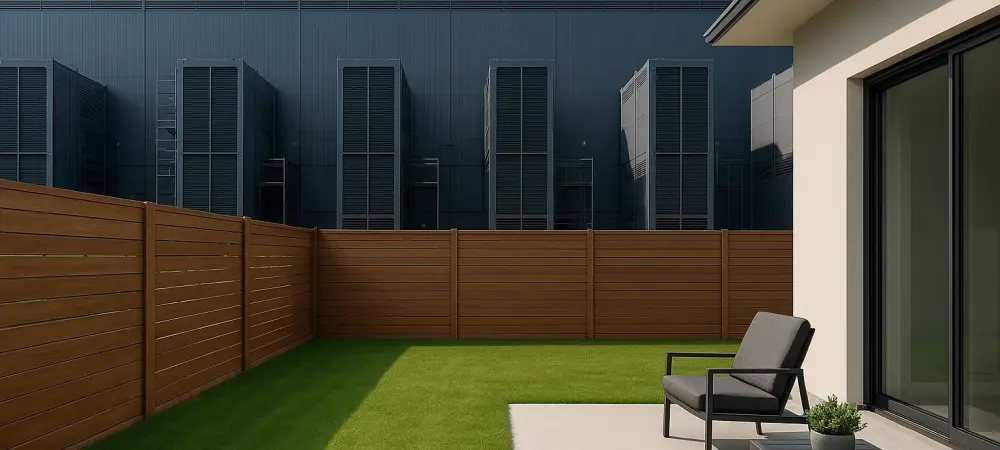
The suburban silence of neighborhoods from Sydney to Michigan is increasingly shattered by a persistent industrial drone that sounds like a jet engine that never quite takes off. While the internet is frequently conceptualized as a weightless, virtual cloud, its physical infrastructure consists of massive server farms that operate every hour of every day. These facilities have moved from remote industrial parks into the fringes of residential zones to support the surging demand for artificial intelligence and cloud computing. This geographical shift has transformed the steady hum of cooling fans into a significant point of civic contention, raising questions about whether this sound is a mere nuisance or a genuine threat to physiological and psychological health.
The noise generated by data centers is not a chaotic cacophony but a relentless, low-frequency mechanical vibration. Unlike the intermittent sounds of traffic or construction, this industrial hum remains constant, creating a soundscape that the human ear cannot easily tune out. As these sprawling networks of servers expand, the friction between essential digital infrastructure and the sanctity of residential living has intensified. This tension is no longer confined to technical debates; it has reached the doorsteps of local families who find their peace of mind tethered to the operational needs of the global internet.
The Constant Hum of the Digital Age
In the current landscape of 2026, the demand for instantaneous data processing has necessitated the construction of data hubs closer to the end-user. This proximity reduces latency for advanced AI applications, but it also brings the cooling infrastructure of these massive halls into the immediate vicinity of schools and homes. The sprawling physical footprint of these server farms means that thousands of spinning fans and heavy-duty chillers are now permanent fixtures in the suburban horizon. This evolution marks a departure from the traditional model of isolated industrial zones, forcing a reconsideration of how urban planning accounts for the sonic environment.
The sheer scale of modern data centers is difficult to overstate, often encompassing hundreds of thousands of square feet dedicated to racks of high-heat servers. To prevent hardware failure, these buildings must move massive volumes of air through sophisticated cooling systems. This mechanical necessity creates a non-stop drone that permeates the surrounding atmosphere. For many residents, the introduction of such a facility feels like the arrival of a permanent neighbor that refuses to sleep, leading to concerns about the long-term sustainability of living in the shadow of the digital economy.
The Growing Friction: Infrastructure Meets Urban Living
As urban density increases throughout 2026 and into 2027, the placement of these facilities has become a primary driver of community pushback. The core of the conflict lies in the massive cooling units that generate non-stop mechanical vibrations. These systems are essential for maintaining the delicate temperatures required by modern chips, yet their operational noise often clashes with local zoning laws designed for quieter residential life. This has led to a surge in organized community advocacy, as residents demand more stringent oversight regarding the placement of cooling towers and external air-handling units. This friction has already resulted in significant regulatory interventions and project rejections. For instance, authorities in Campbellfield and Hazelmere recently halted data center developments after concluding that the noise profile posed an unacceptable risk to local quality of life. These decisions reflect a growing recognition that technical compliance with decibel limits may not always account for the intrusive nature of low-frequency sound. Local councils are increasingly prioritizing the preservation of residential quietude over the rapid expansion of digital infrastructure, signaling a new era of regulatory scrutiny.
Deconstructing the Soundscape: Physiological Risks and Perceptions
Evaluating the health risks of data centers requires a nuanced understanding of how the human ear interprets sound intensity versus frequency. While standard industrial noise is often measured in decibels, public health assessments use the dBA scale, which focuses on the frequencies most audible to humans. However, this scale can sometimes understate the impact of low-frequency hums that are characteristic of large cooling fans. Even when a facility operates within legal decibel limits, the persistent nature of the vibration can trigger stress responses in the nervous system, leading to heightened states of irritability and fatigue.
Health standards established by the World Health Organization suggest that chronic exposure to environmental noise above certain thresholds can lead to severe cardiovascular issues, including hypertension and heart disease. The most immediate impact of data center noise, however, is the disruption of sleep. Because the hum is constant, it can interfere with the deep sleep cycles necessary for cognitive function and emotional regulation. Unlike the sound of a passing siren, the “always-on” nature of a server farm creates a cumulative stress load that many experts believe is more damaging than occasional high-decibel events.
Expert Perspectives: Comparative Research and Cultural Impacts
To understand the long-term effects of living near data hubs, researchers often look toward established studies on wind farm noise. Findings from the Australian National Health and Medical Research Council regarding low-frequency humming provide a useful framework for predicting outcomes. These studies suggest that while direct physical damage to the ear is unlikely at these levels, the psychological impact of “subjective annoyance” can lead to objective physiological harm. When a person feels unable to escape a sound in their own home, the resulting chronic stress can manifest in various physical symptoms.
Beyond the immediate health concerns, industrial noise also impacts the cultural and heritage value of certain areas. In regions with significant Aboriginal cultural sites, the introduction of a constant mechanical drone can disrupt the sanctity of traditional lands and community spaces. This cultural dimension of noise pollution is becoming a critical part of the environmental impact assessment process. Experts argue that protecting the auditory environment is not just about human health in a biological sense, but also about preserving the spiritual and social heritage that connects a community to its location.
Strategies for Mitigation: Navigating Regulations and Engineering
Acoustic engineering provides several pathways to minimize the footprint of a data center, though these solutions require significant investment during the design phase. Installing physical sound barriers, high-performance acoustic louvres, and specialized silencers can dampen noise at the source before it reaches the property line. Furthermore, strategic site planning can shield the loudest mechanical equipment behind the bulk of the building itself. By prioritizing sound attenuation from the outset, developers can significantly reduce the potential for future litigation and community resentment.
Regulators have also implemented “creeping background noise” frameworks to manage the cumulative impact of multiple facilities in a single district. These policies ensure that as new data centers are built, the total ambient noise level does not gradually rise to harmful levels. By setting strict nighttime limits and requiring transparent, real-time noise monitoring, authorities aimed to balance the need for digital growth with the health of the public. This proactive approach toward regulatory oversight ensured that the expansion of the digital grid did not come at the expense of a livable urban environment. The industry eventually recognized that technical compliance was merely the baseline for successful operation. Developers learned that meaningful community engagement involved more than just holding public meetings; it required a commitment to aggressive mitigation targets that exceeded minimum legal requirements. The transition toward quieter cooling technologies and submerged infrastructure showed that the digital age could coexist with peaceful neighborhoods. This evolution in engineering and planning demonstrated that while the cloud must live somewhere, it did not have to leave a wake of noise in its path.