

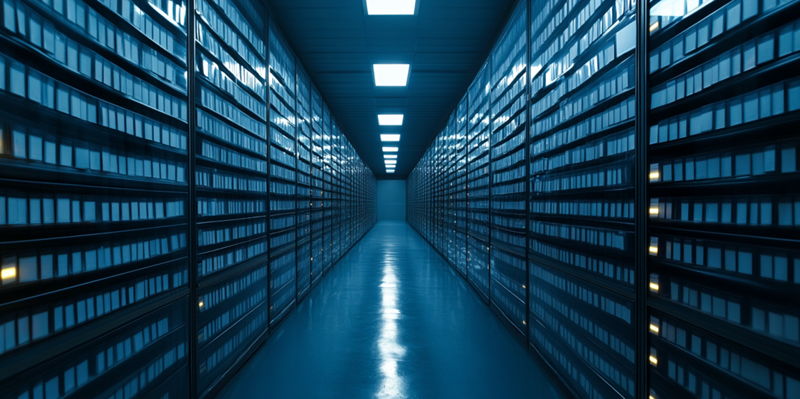
The rise in data creation and consumption continues to surge, driven by advancements in artificial intelligence (AI), cloud computing, and the internet, particularly video streaming, which now accounts for more than half of all internet traffic. With predictions indicating a jump from 147 zettabytes in 2024 to 181 zettabytes by 2025, the data center industry faces immense pressure to scale up infrastructure, enhance technology, and focus on sustainability. This article examines how the world’s largest data centers tackle these growing data demands and highlights the essential features, capacities, and technological integrations that enable them to keep pace.
Emphasizing Sustainability and Emission Control
Data centers are growing at an unprecedented rate, but this expansion brings with it significant environmental challenges. Many of the world’s largest data centers are leading the way in incorporating sustainable practices and reducing emissions. For instance, Apple’s Mesa Data Center in Arizona operates entirely on its dedicated solar power plant, exemplifying a shift towards renewable energy sources. This proactive approach underscores a broader industry trend that prioritizes sustainability as a key operational goal.
In colder regions, data centers utilize natural cooling techniques to cut down on energy consumption. For example, the Portugal Telecom Complex in Covilhã benefits from Portugal’s coldest temperatures to maintain optimal operating conditions. These facilities harness nature to keep server temperatures low, significantly reducing the need for additional energy-consuming cooling systems. As the data center industry grapples with the environmental impacts of its growth, these sustainability efforts signal a critical shift towards more eco-friendly practices.
The commitment to sustainability extends beyond just cooling and energy sources. Many facilities are now incorporating water conservation measures and utilizing advanced building designs that improve overall energy efficiency. Apple’s Mesa Data Center is a prime example of how innovation and environmental concerns can coexist, offering a blueprint for other companies aiming to minimize their carbon footprint. These concerted efforts highlight the increasingly integral role that environmental considerations play in the operation of modern data centers.
Integrating Advanced Technologies
As data demands skyrocket, technological integration becomes indispensable for data centers aiming to meet these challenges head-on. The Citadel Campus, managed by Switch Inc. in Reno, Nevada, includes advanced data center technology and operates fully on renewable energy. Its flagship facility, TAHOE RENO 1, supports 130 MW power and is rated Tier IV, reflecting the high standards for performance and efficiency. These advancements are crucial for maintaining the data center’s reliability and handling increasing workloads without compromising on efficiency.
Technological integration also features hybrid IT strategies, AI acceleration, and robust cloud computing ecosystems. Modern data centers, such as the CoreSite Reston VA3 in Northern Virginia, support high-density, compute-intensive applications through dark fiber interconnections with low latency, ensuring efficient workload deployment. These advancements enable data centers to accommodate significant computational tasks while maintaining top-tier performance. The use of advanced technologies not only boosts the operational capabilities of data centers but also helps in addressing the growing complexity of data management.
Moreover, the implementation of AI and machine learning tools within these facilities is becoming more prevalent. These technologies enable predictive maintenance, optimizing operations by foreseeing issues before they arise and reducing downtime. The integration of AI also enhances energy management, further contributing to the sustainability goals of these data centers. This evolving technological landscape illustrates how data centers are leveraging innovative solutions to meet the increasing demands of the digital age.
Ensuring Security and Reliability
Given their critical role in maintaining a vast amount of sensitive information, data centers prioritize unparalleled security and reliable performance. The Utah Data Center, also known as Bumblehive, managed by the NSA, plays a key role in U.S. cybersecurity efforts, safeguarding essential data and communications. Investing $1.5 billion into this facility underscores the importance placed on secure, uninterrupted operations. This substantial investment reflects a broader industry trend where security and reliability are paramount considerations in the design and operation of data centers.
Other data centers, like the CWL1 Data Centre in Newport, Wales, have boasted 100% uptime since inception. This impressive track record ensures that clients can depend on these services for their most crucial operations. Reliability is not only a technical requirement but also a strategic advantage, allowing data centers to offer continuous service even under adverse conditions. The ability to maintain such high levels of uptime demonstrates the effectiveness of their security protocols and the robustness of their infrastructure.
Security measures in these facilities go beyond basic firewalls and antivirus software. They include multi-layered security protocols, biometric access controls, and regular audits to ensure compliance with international standards. The focus on comprehensive security strategies helps mitigate risks and protects against cyber threats. As data breaches and cyber-attacks become increasingly sophisticated, the emphasis on security and reliability in data centers underscores their critical role in the digital economy.
Focusing on Scalability and Flexibility
One of the primary requirements for modern data centers is scalability. Facilities are designed to accommodate future growth, ensuring that they can adapt to increasing data demands. For example, the QTS Atlanta-Metro data center spans 970,000 square feet and features three expandable power substations, allowing for significant scalability. This capability to scale ensures that data centers can meet escalating demands without frequent overhauls, offering a cost-effective and flexible solution to capacity challenges.
The China Mobile Data Center in Hohhot, part of the Inner Mongolia Information Park, exemplifies scalability with a 10,763,910 square foot facility that hosts around 100,000 servers and supports a vast AI infrastructure. Such enormous capacity and the ability to expand underscore the need for flexible power and space solutions. Scalability is not just about adding more servers; it involves comprehensive planning to ensure that the infrastructure can handle increased loads efficiently. This forward-thinking approach is vital in an industry where data volumes are continually growing.
Flexibility also plays a crucial role in modern data center design. These facilities must be able to quickly adapt to new technologies and shifting market demands. Modular designs and flexible power solutions enable data centers to upgrade their systems without significant downtime. The focus on scalability and flexibility ensures that data centers can stay ahead of the curve, accommodating the rapid technological advancements and growing data needs that characterize the digital age.
Balancing High Performance and Efficiency
High performance and efficiency are indispensable in managing massive data volumes. The Lakeside Technology Center in Chicago, housing multiple carriers and being the largest U.S. carrier hotel, provides vast power and connectivity options. This retrofitted facility, originally built for printing, has been adapted to meet modern data demands with cutting-edge efficiency. The ability to deliver high performance while maintaining efficiency is a balancing act that modern data centers must master.
Efficiency is also boosted by interconnected infrastructures. The synergy between CoreSite Reston VA3, VA1, and VA2 ensures smooth interconnections, key to supporting high-performance applications. These interconnected systems minimize latency and optimize data flow, enhancing overall efficiency. The focus on maintaining high performance without sacrificing efficiency is critical for data centers looking to offer top-tier services in a highly competitive market.
Furthermore, advanced monitoring and management systems are integral to maintaining high efficiency. These systems provide real-time data on various parameters, enabling operators to make informed decisions and optimize resource usage. Automation tools and AI-driven analytics also play a significant role in enhancing performance while reducing operational costs. The emphasis on high performance and efficiency ensures that data centers can deliver reliable and swift services, catering to the ever-increasing demands of the digital world.
The Global Shift Towards Innovation
The exponential growth in data generation and consumption continues to escalate, fueled by technological advancements in artificial intelligence (AI), cloud computing, and internet usage, particularly video streaming, which now makes up over half of all online traffic. It’s projected that data volumes will soar from 147 zettabytes in 2024 to an astounding 181 zettabytes by 2025. The immense pressure to scale up infrastructure, upgrade technology, and prioritize sustainability is mounting for the data center industry. This surge demands not only increased physical space but also enhanced data management technologies and energy-efficient practices to support this massive influx.
In response to these growing needs, the world’s largest data centers are employing innovative strategies to keep pace. These facilities feature advanced cooling systems, robust power supplies, and cutting-edge technologies, such as machine learning algorithms, to optimize operational efficiency. They also focus on integrating renewable energy sources and sustainable practices to reduce their environmental impact.
By leveraging state-of-the-art infrastructure and adopting groundbreaking technological integrations, these data centers not only manage current demands but also position themselves to handle future challenges effectively. This article delves into how they achieve these feats and highlights the crucial aspects that enable them to meet the ever-increasing data needs of a connected world.