

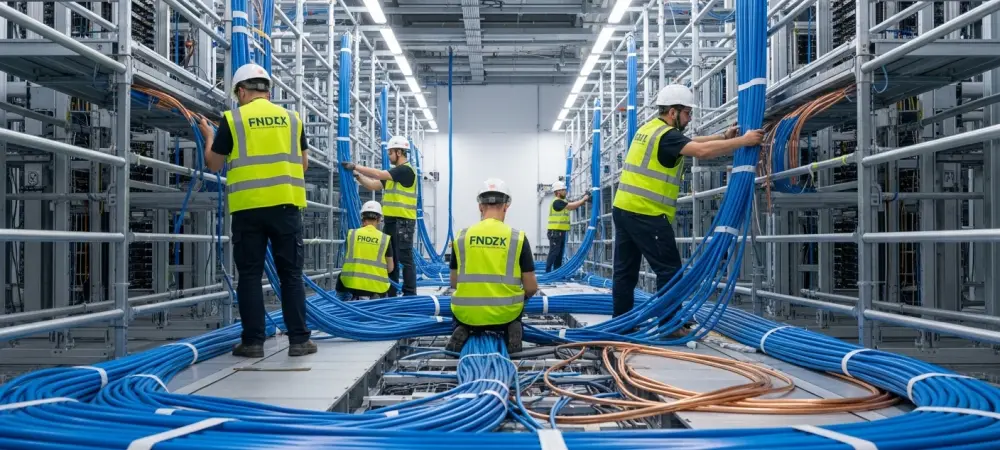
The staggeringly rapid expansion of high-density artificial intelligence infrastructure is currently hitting an unavoidable physical wall that billions of dollars in speculative investment cannot scale without a massive influx of highly skilled specialized labor. While the digital economy thrives on software agility and rapid deployment cycles, the physical facilities required to house these computational giants rely on a foundation of concrete, copper, and cooling systems. This dependency has transformed the skilled trades from a background operational necessity into a critical strategic bottleneck that now dictates the geographic and temporal boundaries of technological growth. The shortage of electricians, welders, and HVAC technicians is no longer just an industry-specific hiring challenge; it has evolved into a macroeconomic risk factor. As the demand for data centers surges, the availability of a qualified workforce has become the primary metric for site viability, often taking precedence over traditional factors such as local tax incentives or proximity to existing urban fiber backbones.
Analyzing the Deepening Structural Workforce Shortage
The scale of the current labor deficit in the American construction sector is profound, with recent data indicating a shortfall of over half a million positions that could realistically expand to two million by the end of the current decade. With nearly 3,000 data center projects currently in various stages of planning and execution, the pressure on the existing talent pool has reached a breaking point. This scarcity is fundamentally reshaping how multinational tech corporations approach expansion, as the physical capacity to build out these networks is severely constrained by the number of qualified hands available to do the work. The competition for regional labor has become so intense that major developers are often forced to choose locations based solely on the density of the local union workforce. This geographic prioritization has shifted the industrial focus toward regions that have historically maintained strong vocational ecosystems, leaving areas with modern digital infrastructure but weak labor supplies in a state of developmental paralysis. This labor crisis is the result of long-term societal trends that consistently prioritized four-year university education while devaluing the critical importance of vocational training and technical mastery. The widespread elimination of high school vocational programs and shop classes over several decades has created a generational gap where younger entrants lack even a foundational familiarity with industrial environments. Furthermore, the industry is currently grappling with a demographic shift colloquially known as the “silver tsunami”, as an aging workforce reaches retirement age at a pace that far exceeds the rate of new apprentices entering the field. This loss of institutional knowledge is particularly damaging in the data center sector, where the complexity of high-voltage electrical systems and precision cooling requires years of hands-on experience to master. Without a concerted effort to reverse these cultural perceptions, the gap between the sophisticated requirements of modern infrastructure and the available technical expertise will continue to widen as the current decade progresses.
Shifting Financial Paradigms and Corporate Talent Pipelines
The extreme scarcity of specialized workers has fundamentally altered the economic landscape of the trades, elevating mission-critical construction roles into the upper tiers of the modern compensation structure. In the current market, experienced high-voltage specialists and master electricians working on specialized data center projects can command annual salaries that frequently approach $280,000, including overtime and performance bonuses. This shift has created a modern gold rush for those possessing the technical skills to manage the intricate electrical demands of AI server farms, where power density requirements are significantly higher than in traditional enterprise facilities. Even at the entry level, the intense competition for apprentices has led to substantial increases in starting wages and the introduction of signing bonuses that were previously unheard of in the construction industry. These financial incentives are beginning to attract a more diverse pool of candidates who recognize that technical trades offer a degree of career stability and financial upside that rivals many roles in the software sector. To address these systemic shortages, major technology firms and private equity groups like Google and BlackRock have begun investing billions into the creation of internal talent pipelines and specialized training campuses. These initiatives move beyond traditional vocational models by incorporating advanced simulations and real-world industrial environments to accelerate the learning curve for new recruits. By providing premium benefits such as immediate vacation time, comprehensive healthcare, and clear pathways to facility management, these corporations are aggressively rebranding the trades as a high-tech career path rather than a fallback option. These programs are designed to train hundreds of thousands of workers specifically for the unique challenges of data center construction and operation, bridging the gap between manual labor and advanced technical facility management. This proactive approach reflects a growing realization that securing the future of artificial intelligence requires a direct investment in the humans who build the physical structures that allow software to function on a global scale.
Reevaluating the Role of Automation in Critical Infrastructure
Despite the rapid advancement of robotics and artificial intelligence in other sectors, the physical construction and maintenance of data centers remain deeply dependent on human skill and manual dexterity. While AI is increasingly utilized to optimize logistics, predictive maintenance schedules, and project diagnostic workflows, the actual installation of miles of fiber optic cabling and complex liquid cooling systems defies simple automation. The intricate nature of high-density electrical infrastructure requires the nuanced decision-making and problem-solving capabilities that only a human operator can provide in a dynamic construction environment. For the foreseeable future, the success of the digital world remains tethered to the person turning the wrench, as the precision required to integrate these massive hardware arrays safely and efficiently exceeds the current capabilities of autonomous machinery. The human factor is not a relic of the past but rather the essential interface that ensures that the transition to a more automated future remains physically grounded and operationally reliable.
Industry leaders adopted several strategic measures to mitigate these risks and ensure the long-term sustainability of the global digital infrastructure. They implemented standardized apprenticeship programs that prioritized rapid certification in high-voltage systems and incentivized the return of vocational training in secondary schools through tax credits for industrial partnerships. Companies also developed regional labor cooperatives to share talent during peak construction phases, demonstrating that the path forward required a permanent realignment of educational and economic incentives. Future policy frameworks shifted toward recognizing technical mastery as a primary driver of national security and economic resilience, while stakeholders integrated advanced augmented reality tools into the training process to decrease the time required for master-level proficiency. This multifaceted approach ensured that the workforce evolved alongside the technology it supported, preventing a total stagnation of physical development. By prioritizing the human element, the sector laid the groundwork for a more resilient future.