

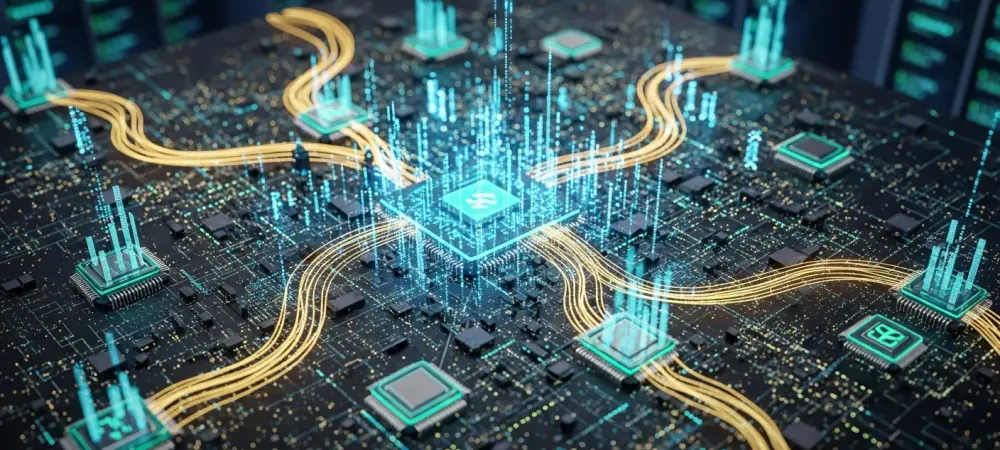
The rapid architectural pivot from general-purpose processing to highly specialized AI environments marks a fundamental departure in how global compute resources are allocated and optimized for intelligence. This evolution represents more than a simple hardware upgrade; it is a systemic reorganization of data centers to support the massive parallel processing demands of modern neural networks. In this landscape, the distinction between software developer and infrastructure provider has blurred, creating a new paradigm where the physical constraints of energy and silicon determine the ceiling of digital innovation.
The Evolution of AI-Centric Cloud Architectures
Traditional cloud computing relied on versatile CPUs designed to handle a variety of tasks, from web hosting to database management. The emergence of generative AI has exposed the inefficiencies of this “one size fits all” model, driving a shift toward specialized clusters optimized for massive matrix multiplications.
This architectural transition focuses on high-speed interconnects and specialized memory hierarchies that allow thousands of chips to act as a single, cohesive unit. This context is essential for understanding why the industry is moving away from rental models toward deeply integrated, multi-year infrastructure partnerships.
Architectural Pillars of Scalable AI Infrastructure
Proprietary Silicon and Custom Training Accelerators
The deployment of custom hardware, such as the AWS Trainium series, represents a strategic move to bypass the supply bottlenecks of traditional GPU markets. These chips are engineered specifically for the deep learning workloads that define modern models, offering better price-to-performance ratios by stripping away unnecessary general-computing logic. By controlling the silicon, providers can optimize the entire stack from the compiler down to the transistor, ensuring that training cycles are both faster and more cost-effective.
Massive-Scale Power Management and Compute Capacity
Scaling artificial intelligence is no longer just a software challenge; it is an industrial energy challenge. The move toward securing five-gigawatt power commitments illustrates the sheer magnitude of resources required to maintain persistent, high-performance environments. Managing this capacity involves sophisticated cooling systems and dedicated energy grids that can handle the thermal output of thousands of high-density server racks operating at peak load.
Strategic Shifts in the Generative AI Hardware Market
The hardware landscape is witnessing a significant consolidation where hyper-scalers are evolving into primary silicon architects. This shift reduces the industry’s reliance on a single hardware vendor and allows for more tailored ecosystem development. Massive capital injections are now being used to lock in long-term hardware access, ensuring that developers have a predictable roadmap for training next-generation models without the volatility of the open market.
Industrial Deployment and Commercial Scale
Real-world applications of this infrastructure are already visible in the rapid scaling of models like Claude. When a platform experiences a surge in demand, the underlying stability of the cloud provider becomes the primary factor in maintaining service continuity. High-capacity infrastructure allows these models to process billions of tokens while supporting a revenue run-rate that has seen exponential growth in the current cycle from 2026 to 2028.
Critical Constraints: Energy, Reliability, and Capital
Despite the progress, the sector faces significant hurdles related to service reliability and environmental impact. Frequent outages in high-growth sectors highlight the fragility of even the most advanced data centers when pushed to their operational limits. Furthermore, the immense energy requirements of these facilities have sparked a necessary debate regarding the sustainability of the current development pace and the need for more efficient power-delivery mechanisms.
The Roadmap Toward Persistent AI Dominance
The trajectory of AI infrastructure points toward an even deeper integration of custom silicon and expanded, independent power grids. Future developments will likely focus on multi-cloud strategies that allow developers to shift workloads between providers based on real-time energy efficiency and hardware availability. This diversification will be crucial for maintaining the uptime necessary for mission-critical applications across the global economy.
Final Assessment of the AI Infrastructure Landscape
The shift toward a $100 billion investment paradigm fundamentally redefined the relationship between energy, silicon, and intelligence. This era proved that securing physical infrastructure was just as vital as the algorithms themselves, as the industry transitioned to proprietary hardware ecosystems to sustain growth. The strategic move to custom silicon successfully lowered the barriers to entry for training massive models while introducing new complexities in power management. Ultimately, the integration of gigawatt-scale capacity and bespoke accelerators created a more resilient foundation for the next decade of technological expansion.