

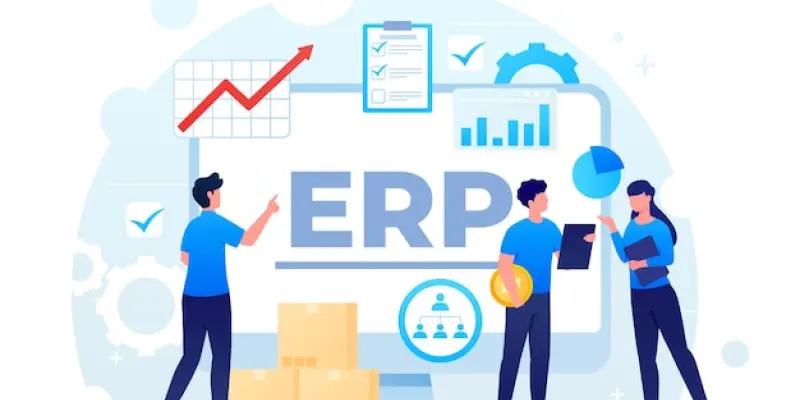
The process of implementing an Enterprise Resource Planning (ERP) system is more than just a technological upgrade; it’s a transformative journey for any organization. With comprehensive tools like Microsoft Dynamics 365 Business Central, companies anticipate significant improvements in efficiency, visibility, and collaboration. However, the full potential of ERP systems can only be realized through a well-structured and strategic implementation process. The challenges are multifaceted, from aligning the system with organizational goals to ensuring seamless adoption by all users across the company. Organizations must navigate these challenges thoughtfully to unlock the profound benefits ERP systems offer.
Defining Success and Building the Team
Importance of Establishing Success Metrics
Establishing clear success metrics from the very beginning is crucial for organizations implementing an ERP system. These metrics act as navigational tools that keep the implementation process aligned with broader company objectives. Crafting these benchmarks involves understanding what the organization intends to achieve—whether it’s increased productivity, better supply chain management, or improved customer service. Successful implementation is not just about going live but achieving tangible outcomes that drive business value. Without these predetermined metrics, organizations risk veering off course, leading to wasted resources and missed opportunities. By setting quantifiable targets, companies can make informed decisions throughout the ERP implementation. These success metrics ensure that the ERP system aligns with existing processes while encouraging improvements. They also provide a mechanism for measuring performance and assessing whether the ERP solution delivers expected results. Furthermore, regular reviews of these metrics allow organizations to adjust strategies proactively, ensuring that the implementation journey remains on track. As the implementation progresses, having these metrics as a guiding star helps identify areas needing additional focus or resources, facilitating an agile and responsive approach.
Assembling a Cross-Functional Team
A robust, cross-functional internal team is at the core of any successful ERP implementation. A diverse team, engaging stakeholders from various departments, is critical for fostering ownership and facilitating user adoption. This team acts as a bridge, connecting the technical aspects of the ERP system with the operational needs of the business. Involving different departments early ensures that the ERP system considers all facets of the organization, leading to a more integrated and effective solution. Engaging a broad spectrum of stakeholders in the process not only encourages buy-in but also ensures that the ERP system is adaptable and inclusive of diverse business requirements. Commitment from key players across departments creates a collaborative atmosphere where feedback is shared openly, and challenges are addressed collectively. This inclusive approach mitigates resistance to change, as each department sees their input reflected in the system’s design and functionality. When team members from varied backgrounds work together, the result is an ERP solution that truly meets organizational needs and is readily adopted by its users.
Selecting the Right Partner and Managing Change
Choosing an Experienced ERP Partner
Selecting an appropriate ERP partner is one of the most vital decisions in the implementation process. An experienced ERP partner brings industry-specific insights and specialized knowledge critical for tailoring the ERP system to the organization’s unique needs. Their expertise in change management and training support ensures a smoother transition during each phase of deployment. Selecting a partner familiar with the industry reduces potential pitfalls and accelerates the journey toward a successful launch and ongoing operation.
An ERP partner’s role goes beyond system installation; it encompasses a comprehensive understanding of the company’s operational goals. By collaborating with a partner who offers strategic advisory services, businesses can anticipate challenges and devise robust solutions. This professional guidance helps organizations navigate complex decisions, such as customization needs, ensuring that any changes genuinely add value and align with long-term goals. A strong partnership fosters continuous support and development even post-implementation, making it an invaluable element in the ERP journey.
Embracing Change Management
Change management is a fundamental pillar when adopting a new ERP system. It involves proactive user involvement and transparent communication to ease the transition toward new business processes ingrained in the ERP system. Addressing the human aspect of technological change is pivotal in motivating adoption and minimizing disruption to daily operations. Early involvement of users helps set realistic expectations and reduce anxiety related to the unknowns of transitioning to an ERP platform. Clear and consistent communication about the objectives and benefits of the ERP system builds confidence among users, subsequently easing adoption barriers. Effective training programs tailored to the distinct requirements of various users further empower them to harness the full potential of the ERP system. Encouraging feedback from users throughout the process enables continuous improvement and alignment with business necessities. Change management is not merely a task to be checked off but an ongoing initiative that fosters an adaptive and resilient organizational culture.
Navigating Customization and Continuous Growth
Caution Against Over-Customization
While customization allows ERP systems to cater directly to an organization’s specific needs, over-customization poses a significant risk. Excessive customization can lead to increased complexity, higher implementation costs, and prolonged deployment durations. It may also hinder the ability to upgrade the system easily in the future. Organizations are advised to first adopt standard best practices inherent to the ERP system and gradually introduce customizations that provide genuine value. This approach ensures a balanced adaptation process and simplifies future upgrades.
Implementing standard functionalities initially allows businesses to identify what truly requires customization. By observing how these standard features perform within real-world operations, organizations can make informed decisions about further modifications. This method minimizes unnecessary complexities and focuses resources on areas that directly contribute to business differentiation and competitive advantage. An incremental approach to customization also fosters a culture of continuous learning and optimization, paving the way for sustainable growth and innovation.
Long-Term ERP Implementation Journey
Implementing an Enterprise Resource Planning (ERP) system goes beyond merely upgrading technology; it represents a transformative journey for any organization. Tools such as Microsoft Dynamics 365 Business Central offer companies the promise of enhanced efficiency, greater visibility into operations, and improved collaboration across departments. However, achieving these benefits requires more than just installing the software. A successful ERP implementation demands a well-structured and strategic approach. Key challenges include aligning the system with the company’s broader goals and ensuring it is seamlessly adopted by all employees. It’s crucial to address these challenges thoughtfully. This involves not only technical adjustments but also change management, training, and support to facilitate a smooth transition. By carefully navigating these complexities, organizations can unlock the significant benefits that ERP systems have to offer, reshaping their operational landscape and ensuring sustained productivity and growth over time.