

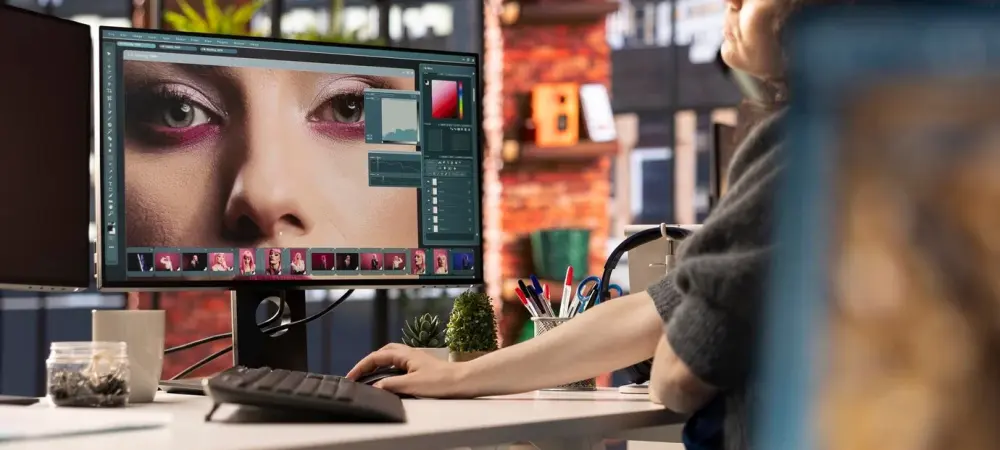
Modern technology has revolutionized photo editing, offering innovative solutions powered by artificial intelligence. These advancements have simplified the creative process, enabling users to enhance images with unprecedented ease. However, understanding the intricacies of AI-driven photo editing is essential to avoid common pitfalls and achieve desired results. Users often face challenges when interacting with AI models like GPT-4, particularly due to errors stemming from insufficiently detailed prompts or misunderstanding the technology’s capabilities.
Understanding AI Image Generation
The Role of Precise Prompts
When utilizing AI tools such as ChatGPT for photo editing, the success of the editing process largely hinges on the precision of prompts issued by users. Vague or ambiguous instructions can lead to unsatisfactory images, highlighting the need for clear communication. Simplistic directives such as “Improve the lighting” often fail, whereas explicit statements such as “Add soft golden-pink sunset lighting behind the subject for a cinematic effect” tend to yield superior outcomes. Constructing prompts with specific language encourages the development of more refined and visually appealing results by guiding the AI to focus on detailed elements within the image.
Importance of Image Resolution
Image resolution is another critical facet of AI photo editing, yet it is frequently overlooked by users. Failure to specify resolution can lead to low-quality images that do not meet particular standards for social media platforms or professional uses. For clarity and effective scaling, it is advised to specify the resolution requirements explicitly, such as “Generate image at 1080p.” Including these details minimizes the risk of blurriness or improper scaling, ensuring the AI can produce output suitable for varied applications, from digital banners to Instagram posts. A precise resolution helps maintain the integrity of visual content across different media formats.
Enhancing Realism and Style
Leveraging Visual Style Cues
For those aiming to produce realistic images with AI, incorporating visual style cues is crucial. Phrases like “photorealistic” or “3D-style” can greatly influence the depth and realism of AI-generated photos. Users should be deliberate in specifying traits that define the desired aesthetic, such as light settings or particular color tones. These cues serve as a foundation for guiding the image generation process, enabling the AI to produce content that aligns closely with users’ expectations. By attentively detailing stylistic preferences, users elevate the realism and impact of their creations, ensuring that AI-generated visuals are both striking and true to vision.
Navigating Copyright Issues
A frequent challenge in AI-driven photo editing is the generation of content resembling copyrighted material. AI tools, including ChatGPT, lack the capability to recreate copyrighted images such as celebrity photos or brand logos directly. Users are encouraged to creatively articulate their vision through inspired descriptions, promoting the generation of unique outputs that echo desired themes without infringing on existing copyrights. Emphasizing the importance of original expression allows individuals to harness AI’s strengths while respecting intellectual property. This creative approach not only avoids legal complications but also fosters innovation within personal and professional projects.
Refining AI-Generated Images
The Value of Iterative Refinement
Completing an image editing process often requires more than a single iteration. Engaging in multiple rounds of refinement, users can progressively enhance the quality of AI-generated visuals. This iterative approach allows for adjustments to facial expressions, backgrounds, or lighting, promoting a polished finish. By issuing follow-up prompts to modify aspects like shadows or color vibrancy, the realism and appeal of images can improve notably. Iterative refinement is instrumental in bridging the gap between initial output and final vision, ensuring produced content meets high standards.
Addressing AI Hallucinations
Despite meticulous prompt construction, AI-generated images might occasionally contain peculiar inconsistencies, such as extra fingers or floating objects—an occurrence known as AI hallucinations. These anomalies arise due to limitations in AI model interpretation, necessitating corrective commands from users to rectify discrepancies. This proactive engagement helps mitigate the effects of hallucinations, although some may require manual edits or further attention. Understanding that despite advanced capabilities, AI models remain prone to certain errors highlights the importance of ongoing vigilance and adaptability in photo editing.
Harnessing AI’s Full Potential
The advent of modern technology has ushered in a new era for photo editing, introducing groundbreaking solutions with the aid of artificial intelligence. These technological breakthroughs have fundamentally transformed the creative landscape, allowing users to enhance images with exceptional simplicity and efficiency. While this remarkable ease of use is a boon, it’s crucial to grasp the complex mechanisms underlying AI-based photo editing tools to maximize their potential and avoid common missteps. Many users encounter hurdles when working with AI models such as GPT-4, often because of inaccuracies arising from vague instructions or a lack of full comprehension of the technology’s features. The key to unlocking the full power of AI-driven photo editing lies in crafting clear, precise prompts and gaining a deeper understanding of the model’s capabilities and limitations. As users navigate this sophisticated terrain, the balance between creativity and technological understanding becomes pivotal in producing optimal, desired results in photo editing.