

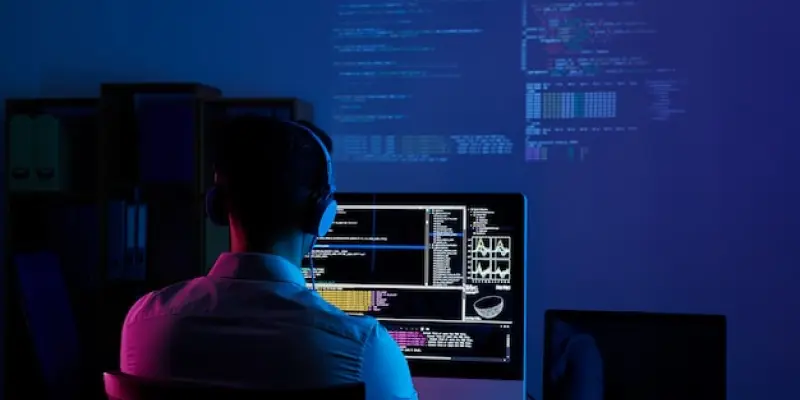
The software supply chain continues to face numerous cybersecurity threats as the complexity and interdependence between software packages increase exponentially. Recent developments highlight the growing sophistication of cyberattacks, necessitating more robust security measures across the development process. One striking revelation in these developments is the exposure of malicious software packages designed to infiltrate software supply chains by bypassing security measures and gaining persistent access to systems. These threats bring to light the immense challenges faced by developers and cybersecurity teams, amplifying the call for comprehensive strategies and technologies to shield the software supply chain.
Emerging Threats and Sophisticated Attacks
The Rise of Malicious Software Packages
Recent findings in software supply chain security spotlight the emergence of malicious software packages intent on stealing data and providing long-term remote access to infiltrated systems. These packages, masquerading as legitimate using methods like typo-squatting, have been discovered in repositories such as PyPI and targeted popular packages like Colorama. By deceiving developers into installing them, these malicious packages have compromised entire software environments. Efforts to identify these deceptive practices have led to the removal of such threats from public repositories, but not before they caused significant concern among developers and organizations. In a striking finding, the creation and upload of these packages were traced back to specific actors, often connecting to identifiable accounts on platforms like GitHub.
Long-term Implications for Software Environments
The shift from straightforward data theft to establishing enduring access to software environments is an indicator of the evolving strategies of cybercriminals. These sophisticated techniques allow malware to spread more effectively as new code is continuously developed, posing significant threats not only to isolated software applications but potentially to entire networks interconnected through supply chains. As these tactics become more prevalent, it is crucial to understand the lasting implications they have on software environments. Notably, the potential damage extends well beyond initial infiltration, sending ripples throughout the software lifecycle as developers and engineers must remain vigilant against increasingly creative forms of cyber threats.
Addressing Security Challenges
Importance of Developer-Cybersecurity Collaboration
The lack of synchronized collaboration between application development and cybersecurity teams remains a significant obstacle in securing software supply chains. Reports indicate that only a small percentage of organizations feel they have achieved sufficient collaboration between these critical groups. Nevertheless, there is a positive trend toward better allocation of resources dedicated to software teams, indicating an organizational shift towards integrating security more deeply throughout the development process. This highlights the necessity for continued improvement in fostering strong collaboration between the two fields, leading to enhanced security protocols and shared responsibility in safeguarding the supply chain.
Advancing Proactive Security Measures
To combat the growing sophistication of cyberattacks, DevSecOps teams are increasingly encouraged to implement proactive security measures, emphasizing continuous scanning and surveillance of third-party codes from public repositories. Developers are advised to utilize advanced tools capable of early threat detection to minimize potential infiltration risks at the outset of the software development lifecycle. This approach not only mitigates immediate threats but also builds a more resilient security posture over time. Education further plays a critical role as heightened awareness and understanding of cybersecurity fundamentals among developers can significantly reduce vulnerability to malicious attacks. This dual-pronged strategy of improved collaboration and proactive scanning positions organizations to more effectively tackle the rising threats within their software supply chains.
Building Future-Ready Security
Education and Awareness as Key Defenses
Education remains a cornerstone in defending against evolving threats to the software supply chain. As cybercriminals deploy increasingly sophisticated tactics, it becomes imperative for developers to be well-informed about these threats and the best practices for mitigating them. Fostering a culture of continuous learning and awareness can greatly bolster the defensive capabilities of software teams. Regular training sessions, workshops, and knowledge-sharing platforms have become essential tools in equipping developers with the necessary skills to recognize and respond to potential threats effectively. This educational approach empowers teams to not only identify vulnerabilities but also implement robust security measures that align with best practices.
Integrating Advanced Technologies
The evolution of cyberattacks has become more sophisticated, underscoring the need for stronger security protocols throughout software development. A notable concern is the discovery of malicious software packages specifically crafted to penetrate software supply chains, dodging security barriers and maintaining persistent access across systems. These challenges underscore the difficult task developers and cybersecurity teams face, emphasizing the urgent need for comprehensive strategies and advanced technologies to protect the software supply chain. As these threats continue to pose risks, there’s a heightened demand for innovative solutions and collaborative efforts among industry stakeholders to fortify defenses and ensure the resilience of critical software infrastructure, ultimately safeguarding against potential disruptions and data breaches.