

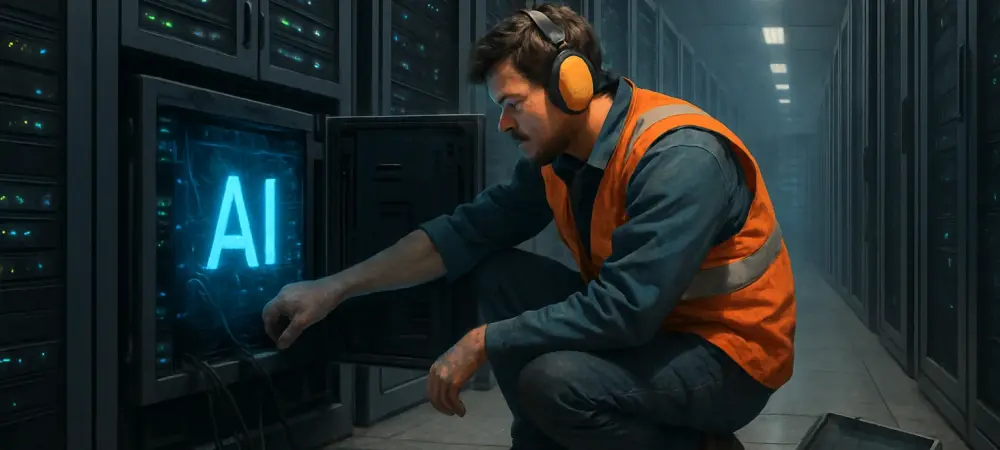
Imagine stepping into the heart of a data center, where the hum of servers and the glow of indicator lights represent the backbone of our digital world. Keeping this critical infrastructure safe and reliable is no small feat, and few understand this better than Dominic Jainy, an IT professional with deep expertise in artificial intelligence, machine learning, and blockchain. With a passion for applying cutting-edge tech to real-world challenges, Dominic has invaluable insights on how data centers can maintain uptime, ensure safety, and scale efficiently. In this interview, we explore the pressing concerns of data center operators, the importance of proactive maintenance, the role of innovative tools, and the transformative power of automation and AI in safeguarding these vital facilities.
What keeps data center operators on edge when it comes to the safety and reliability of their equipment?
Data center operators are often haunted by the fear of unexpected failures or safety hazards that could disrupt operations. A single equipment breakdown or safety incident can lead to costly downtime, data loss, or even damage to their reputation. Beyond that, staying competitive in an industry where customers expect 24/7 availability adds immense pressure. They’re also grappling with tight budgets, which makes balancing safety upgrades with operational costs a constant struggle. These concerns can directly affect their ability to attract and retain clients who demand flawless performance and ironclad security.
How does a proactive maintenance strategy strengthen both safety and reliability in a data center environment?
A proactive maintenance strategy is like a safety net—it catches issues before they spiral into major problems. By regularly inspecting and servicing equipment, operators can prevent failures that might lead to safety risks, like electrical fires or overheating. This approach also boosts reliability by ensuring systems run smoothly, which builds trust with customers who rely on uninterrupted service. For example, catching a failing cooling unit early can prevent server crashes, showing clients that the data center prioritizes their data’s safety. It’s a win-win that also helps meet growing demand by keeping everything running at peak efficiency.
Why is the commissioning stage so pivotal for the long-term success of a data center?
Commissioning is the foundation of a data center’s entire lifecycle. It’s the stage where every connection, cable, and system is tested to ensure everything works as intended before going live. If done right, it sets the tone for reliability down the line. But if rushed or mishandled, especially in massive hyperscale facilities, you’re looking at potential errors that could haunt operations for years. Think of untested cables leading to signal loss or electrical faults—these are avoidable with thorough commissioning. It’s about building confidence that the infrastructure can handle the load from day one.
What should teams consider when selecting tools for the commissioning process?
Choosing the right tools during commissioning can make or break the process. Teams need to prioritize tools that are user-friendly, especially for smaller crews who might not have specialized training. Accuracy is non-negotiable—tools like cable testers or optical loss test sets must meet industry standards to ensure precise readings, which directly impact equipment lifespan. Additionally, the right tools can save significant time and money. For instance, a tester that speeds up connection checks by even a few seconds per point adds up to huge savings in a large build. It’s about working smarter, not harder.
How do non-contact tools enhance safety and efficiency once a data center is operational?
Non-contact tools are game-changers once a data center is up and running. They minimize the need for technicians to physically interact with equipment, reducing risks like electrical shocks or injuries in tight spaces. Take wireless sensors, for example—they monitor things like vibration and temperature in pumps and motors in real time, alerting teams to issues without anyone needing to be on-site with a handheld device. This not only cuts downtime by catching problems early but also slashes maintenance costs since you’re not sending staff on unnecessary checks. It’s safer and far more efficient.
In what ways are digital tools and AI transforming equipment maintenance in data centers?
Digital tools and AI are revolutionizing how data centers manage maintenance by automating what used to be time-consuming, manual tasks. A Computerized Maintenance Management System, or CMMS, streamlines repair workflows by generating work orders and tracking asset health, freeing up technicians to focus on fixes rather than paperwork. AI takes it further by analyzing massive amounts of data to spot early warning signs of faults—sometimes before a human would even notice. This predictive power saves hours, if not days, of troubleshooting, allowing teams to stay ahead of issues and keep systems running smoothly.
Why is using robots or non-contact methods for tasks like thermal imaging a safer choice in data centers?
Robots and non-contact methods, like mounted thermal imagers, are a huge leap forward for safety. Thermal imaging is critical for spotting electrical faults or overheating, but traditionally, it meant sending technicians into potentially hazardous areas near live equipment. Robots eliminate that risk entirely by handling the scans, protecting staff from dangers like arc flashes. Plus, they deliver consistent, accurate results without the human error that can creep in during repetitive tasks. It’s a perfect example of tech stepping in to keep people safe while boosting precision.
What’s your forecast for the future of data center maintenance with the rise of automation and AI?
I’m incredibly optimistic about where data center maintenance is headed with automation and AI leading the charge. We’re moving toward a future where predictive maintenance becomes the norm—AI will not only detect faults but also recommend specific fixes before issues escalate, slashing downtime to near zero. Automation, through robots and wireless monitoring, will continue to scale operations, allowing even lean teams to manage sprawling facilities with ease. I believe we’ll see data centers become more resilient and efficient, meeting the skyrocketing demands of our digital economy while keeping safety at the forefront. It’s an exciting time to be in this space.