

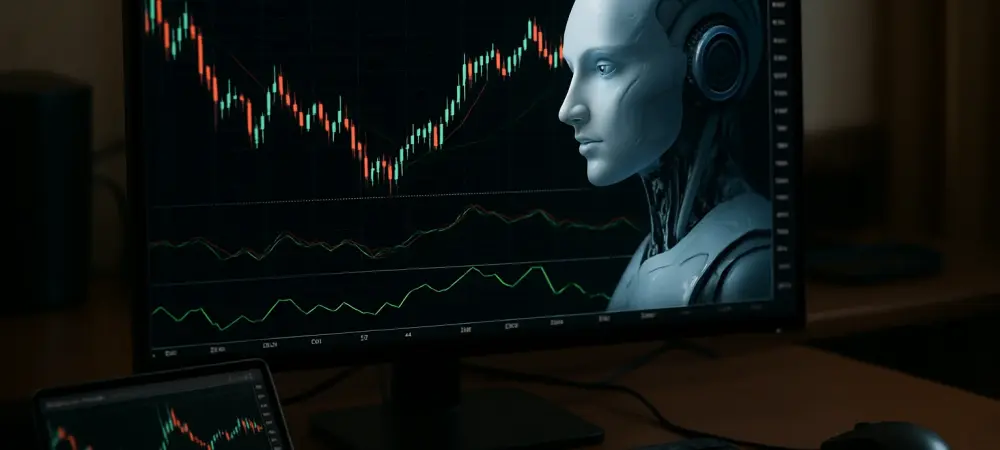
Today, we’re thrilled to sit down with Dominic Jainy, an IT professional with deep expertise in artificial intelligence, machine learning, and blockchain. With a passion for applying cutting-edge tech to real-world challenges, Dominic has been exploring how AI can revolutionize industries like Forex trading. In this conversation, we’ll dive into how AI enhances decision-making, automates processes, and transforms market predictions for traders. We’ll also unpack the benefits, strategies, and reliability of AI-driven tools in navigating the fast-paced world of currency markets.
How did you first become interested in applying AI to Forex trading?
I’ve always been fascinated by how technology can solve complex problems, and Forex trading struck me as a field ripe for innovation. The sheer volume of data and the unpredictability of markets made it a perfect playground for AI. I started experimenting with algorithms to see if I could improve prediction accuracy, and I was blown away by the potential. Traditional trading often felt like a guessing game, and I saw AI as a way to bring structure and insight to that chaos.
What specific challenges in traditional Forex trading motivated you to explore AI solutions?
One of the biggest issues with traditional trading is the emotional rollercoaster. Fear and greed can cloud judgment, leading to impulsive decisions. On top of that, manually analyzing endless charts and news updates is incredibly time-consuming and prone to error. I realized AI could step in to process data objectively and spot patterns that a human might miss, especially under pressure. It was about creating a tool to support traders, not replace them.
Can you explain the role of AI in Forex trading to someone who’s just starting to learn about it?
Absolutely. Think of AI as a super-smart assistant that never sleeps. It sifts through mountains of market data—price movements, economic reports, even news sentiment—and identifies trends or signals that might indicate a good trade. It’s not about making decisions for you, but giving you clearer, data-driven insights so you can act with confidence. On a daily basis, it helps by flagging opportunities or risks faster than any human could.
What are some of the standout benefits you’ve noticed from using AI in Forex trading?
The benefits are honestly game-changing. For one, AI cuts down on emotional bias. It doesn’t panic during a market dip or get overly excited during a rally—it just sticks to the data. I’ve also seen it make spotting opportunities so much easier. Where a trader might spend hours looking for setups, AI can highlight potential trades in seconds based on historical patterns or real-time shifts. It’s like having a second set of eyes that’s always sharp.
How do AI-driven Forex trading strategies function in practice?
At their core, these strategies rely on algorithms to analyze past and present market data. They look for recurring patterns—like how a currency pair reacts to certain economic news—and use that to suggest trades. Some systems even factor in things like interest rate changes or inflation data to fine-tune their recommendations. The beauty is that they can test these strategies against historical data first, so you’re not just jumping in blind. It’s a methodical approach to a very unpredictable field.
Why do you think machine learning is such a powerful tool for Forex trading?
Machine learning takes AI to the next level because it learns and adapts over time. Unlike static algorithms that follow fixed rules, machine learning models evolve as they process more data. For example, during a major geopolitical event, a model can adjust its understanding of market volatility based on how things unfold. It’s like teaching a system to think on its feet, which is critical in a market that changes by the minute.
In what ways does AI automation save time for Forex traders?
Automation is a lifesaver. AI can handle repetitive tasks like monitoring multiple currency pairs or setting stop-loss orders without any input. It executes trades in a split second based on predefined rules, which means you’re not glued to a screen all day. This frees up traders to focus on bigger-picture stuff—like refining their overall strategy or researching new markets—while the grunt work is taken care of.
How reliable do you find AI-driven market analysis compared to traditional human analysis?
I’d say AI often has an edge because it can process so much more data without fatigue or bias. It uses tools like technical indicators—think moving averages or RSI—and even sentiment analysis, where it scans news or social media to gauge investor mood. I’ve seen AI pick up on subtle shifts, like a change in tone in financial reports, that a human might overlook. That said, it’s not perfect, and pairing it with human intuition often yields the best results.
What’s your forecast for the future of AI in Forex trading over the next few years?
I’m incredibly optimistic. I think we’ll see AI become even more accessible to everyday traders, with user-friendly platforms that don’t require a tech background. We’re also likely to see advancements in how AI handles unpredictable events—think black-swan scenarios—by integrating more diverse data sources. My hope is that AI will continue to democratize trading, giving small players the same analytical power as big institutions. It’s an exciting time to be in this space.