

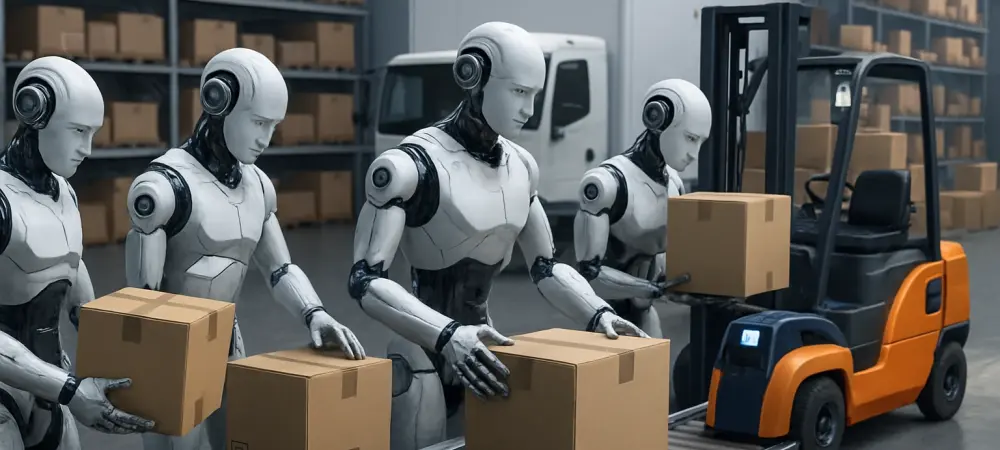
In an era where logistics companies face unprecedented challenges due to rapid growth and fierce competition for talent, the integration of cutting-edge technology has emerged as a game-changer for workforce management. Imagine a logistics firm struggling to keep pace with expanding operations, juggling manual processes for tracking employee hours, and grappling with inefficiencies in recruitment—all while striving to maintain top-tier service for major retailers. This scenario is far too common in the industry, where the pressure to scale often outstrips the capacity of traditional systems. Fortunately, advancements in artificial intelligence (AI) software are providing innovative solutions to these persistent problems. By automating complex tasks and offering actionable insights, AI-driven tools are revolutionizing how logistics companies manage their desk-free workforces, paving the way for enhanced efficiency and sustainable growth in a highly competitive market.
Harnessing AI for Operational Efficiency
The adoption of AI-powered workforce management software offers logistics companies a powerful means to streamline operations and eliminate inefficiencies that plague manual processes. A prime example lies in the automation of time and attendance tracking, where AI systems can seamlessly record hours worked, integrate with payroll for precise compensation, and reduce human error. Beyond just tracking, these platforms centralize employee data, making it easier to manage absences and allocate resources effectively. This kind of integration is vital for firms dealing with large, distributed teams, as it minimizes the administrative burden and allows managers to focus on strategic priorities. The result is a smoother operation where data flows effortlessly between departments, ensuring that every aspect of workforce management—from scheduling to compliance—is handled with precision and speed, ultimately boosting productivity across the board.
Another significant benefit of AI in logistics workforce management is its ability to support strategic planning through data-driven insights. Advanced software can analyze patterns in employee performance, attendance, and turnover, providing managers with a clear picture of workforce dynamics. This capability enables proactive decision-making, such as identifying staffing gaps before they become critical or optimizing shift patterns to match demand. Unlike traditional methods that rely on guesswork or outdated spreadsheets, AI tools deliver real-time analytics that empower companies to adapt swiftly to changing conditions. For logistics firms operating in a fast-paced environment, this means not only maintaining service levels during peak periods but also building resilience against unexpected disruptions. The shift toward such intelligent systems marks a departure from reactive management, fostering a more agile and forward-thinking approach to handling complex operational challenges.
Revolutionizing Recruitment and Employee Support
AI software is also transforming the recruitment landscape for logistics companies by automating and enhancing the hiring process. With tools designed to source candidates, engage with potential hires, schedule interviews, and streamline onboarding, the time-to-hire can be drastically reduced. This is particularly crucial in an industry where rapid scaling often demands quick access to talent amidst a competitive labor market. By leveraging AI, firms can improve the experience for both recruiters and candidates, ensuring that the right people are matched to the right roles efficiently. Such systems also maintain a database of applicant information, allowing for faster rehiring or seasonal staffing adjustments. The impact is clear: logistics companies can build stronger teams without the delays and frustrations associated with manual recruitment efforts, positioning themselves as employers of choice in a tight market.
Equally important is how AI enhances employee support and retention within the logistics sector. Comprehensive workforce management platforms provide employees with instant access to critical information, such as payslips or schedules, fostering transparency and trust. These systems also simplify processes like requesting time off or addressing payroll discrepancies, reducing friction in day-to-day interactions. For desk-free workers who often face unique challenges, such as irregular hours or remote locations, having a reliable digital interface can significantly improve job satisfaction. Moreover, AI-driven insights help managers identify signs of disengagement or burnout early, enabling targeted interventions to support staff well-being. This holistic approach not only strengthens employee loyalty but also reduces turnover costs, creating a more stable and motivated workforce that is better equipped to meet the demands of a dynamic industry.
Building a Future-Ready Logistics Workforce
Reflecting on the strides made through strategic partnerships and technology adoption, it’s evident that AI software has already begun reshaping logistics workforce management by addressing core challenges with innovative solutions. The collaboration between leading software providers and logistics firms demonstrates a commitment to integrating systems that tackle everything from payroll accuracy to recruitment efficiency. These efforts have paid off in the form of streamlined operations and empowered employees who benefit from transparent and accessible tools. Looking back, the focus was not just on solving immediate problems but on laying a foundation for scalability and resilience in an ever-evolving sector. Moving forward, logistics companies should prioritize investing in AI-driven workforce management systems to stay competitive and adaptable. Exploring partnerships with technology providers who understand the unique needs of the industry can unlock tailored solutions that drive long-term success. Additionally, fostering a culture of continuous learning around these tools ensures that staff at all levels can maximize their potential. As the industry progresses, staying ahead means anticipating future workforce trends and leveraging AI to build robust, flexible systems that not only meet current demands but also prepare for tomorrow’s challenges with confidence and clarity.