

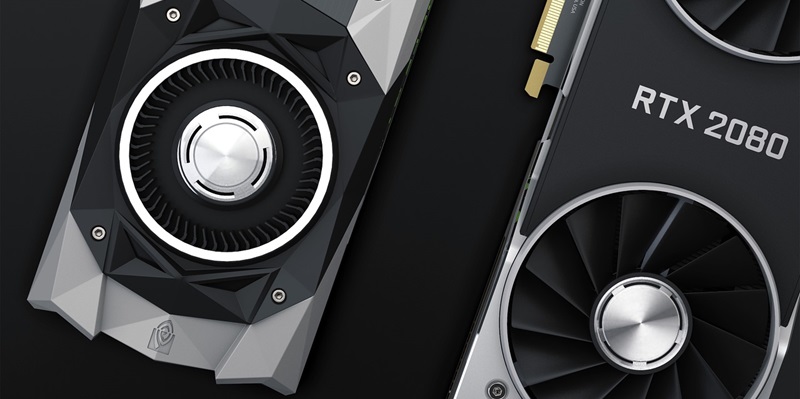
As the intersection of gaming technology and artificial intelligence continues to evolve, remarkable strides are being made in both computational capability and efficiency. Gaming GPUs, originally designed for rendering complex graphics, are now also being harnessed for their AI computational power. These processors excel at handling the parallel processing tasks required for deep learning and neural networks, making them invaluable assets in the AI field. Concurrently, chip manufacturers are pushing the envelope, engineering new processor designs that transcend traditional capabilities, specifically tailored to meet the demands of AI and machine learning workloads. This symbiotic relationship between gaming tech and AI is propelling an era of innovation where each industry benefits from the advancements of the other, creating a dynamic ecosystem of technological progress that is reshaping what is possible in computation and beyond.
High-Powered AI Systems Utilizing Gaming GPUs
The Rise of Radeon for AI Work
Tiny’s innovative AI system integrates six Radeon RX 7900 XTX GPUs, which are traditionally favored by gamers, into a potent and budget-friendly AI computing unit. These GPUs contribute a substantial 738 TFLOPS of FP16 computational performance, combined with a generous 96 GB of GDDR6 memory. The capacity to tap into this level of processing power for less than $1000 per GPU exemplifies the trend of leveraging cost-effective gaming hardware for high-powered AI tasks. The strategic assembly of multiple GPUs in this novel rig provides a clear testament to the growing accessibility and efficiency of advanced AI computing solutions. Such systems are setting a new standard by offering formidable power at a fraction of the expected cost, a game-changer in the realm of artificial intelligence technology.
A Full-Fledged AI Powerhouse
Tiny’s AI system showcases the impressive capabilities of modern hardware, exemplifying a strategic blend of high-performance computing components. At its core lies a robust 32-core Epyc 7532 server CPU, designed for efficient data processing and supplying the muscle to the system’s primary workhorses—the GPUs. This power is further augmented by a sizeable 128 GB of RAM and a quintet of 1 TB WD Black SN850X SSDs, ensuring swift data access and storage.
The system is powered by twin 1600 W power supplies, a testament to the power-hungry nature of such high-caliber setups, with each GPU granted an exclusive PCIe 4.0 connection to avoid bottlenecks. With a total investment of $15,000, this machine is not merely a collection of high-end parts; it stands as an illustration of the potential that can be unlocked when gaming-grade components are tailored for AI applications, striking a balance between financial outlay and computing prowess.
Evolution in Processor Technology
Intel’s Lunar Lake Launch
Intel is gearing up to introduce its Lunar Lake processors, which emphasize energy efficiency—a key factor in today’s processor market. These CPUs are expected to debut with a preliminary release by year’s end, featuring a maximum of eight cores. Interestingly, they may depart from the widely-used Hyper-Threading technology. This initial release will be limited, a deliberate tactic by Intel to generate anticipation and momentum for Lunar Lake. A broader rollout is forecasted for the year following the limited launch. Intel’s Lunar Lake is poised to strike a balance between power efficiency and potent performance, aligning with the company’s forward-looking approach to CPU design. The selective release strategy underpins Intel’s intent to set new benchmarks in the processor arena while gradually scaling up their presence in the market.
Intel’s AI Ambitions
Intel is ambitiously targeting the integration of AI into regular computing by aiming to deploy 100 million AI-optimized processors by the end of 2025. Their processors will feature dedicated Neural Processing Units (NPUs) to handle AI computations more efficiently, marking a significant advancement in personal computing technology. Despite current fluctuations in the market’s demand for AI capabilities, Intel’s commitment reflects a broader industry trend toward embedding AI functionality into hardware. The tech giant’s initiative is indicative of a growing belief that AI technology will soon be an integral part of everyday computing tasks. As the industry recognizes AI’s potential, Intel is leading the charge to ensure that future PCs are equipped to handle the increasing role of artificial intelligence in both professional and personal applications.
Display Technology Breakthroughs
ViewSonic’s Gaming Monitor Innovation
The ViewSonic VX2781-4K-Pro-6 has ushered in a new era for gaming monitors with its cutting-edge 4K IGZO panel and a remarkable 165Hz refresh rate. This feat, which melds high resolution with rapid refresh rates, marks a significant milestone previously hindered by technological limitations. With a blistering 1 ms response time and exceptional color accuracy, this monitor provides an unmatched visual experience for gamers.
This advancement by ViewSonic highlights the industry’s commitment to progressing user experience by striking a balance between computational efficiency and stellar visual performance. The integration of AI and other technologies into consumer electronics signals a future where tech innovations coalesce around user needs, performance, and efficiency. The VX2781-4K-Pro-6 is not just a leap forward for gaming displays, but a beacon for the trajectory of tech advancements overall.