

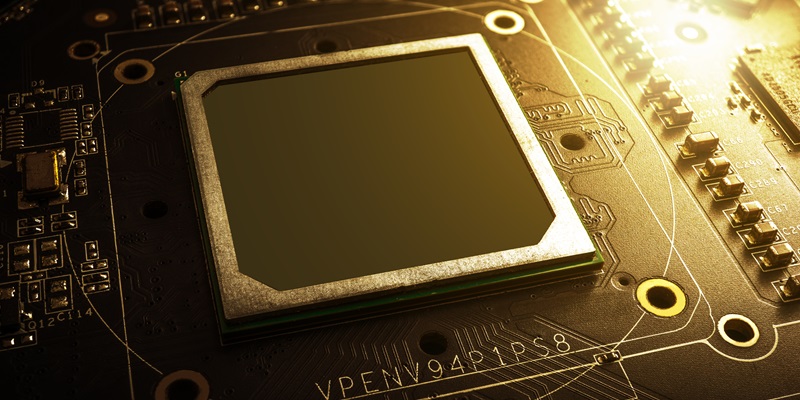
Intel’s Core i9-14900KS CPU has made a remarkable entry into the desktop processor market, eclipsing previous performance benchmarks with a remarkable 6.2GHz boost speed. This new iteration is closely based on its predecessor, the 14900K, maintaining similar architecture. However, the 14900KS distinguishes itself with a significant enhancement: it carries an increased frequency that promises to redefine performance standards. The tech industry was initially abuzz with leaks about this CPU, igniting a mix of enthusiasm and skepticism among enthusiasts and professionals alike. The Core i9-14900KS is not just a step up from its forerunner; it’s a leap forward for users seeking the cutting edge in processing power, with Intel positioning itself once again at the forefront of technological innovation. As this processor hits the market, it’s set to redefine expectations for what desktop computing can achieve, especially in demanding applications that require the utmost in speed and efficiency.
The Quest for Greater Speed
The Core i9-14900KS represents Intel’s pursuit of advanced overclocking capabilities. Dubbed ‘golden’ samples, these CPUs are the cream of the crop, selected for their exceptional performance benchmarks. They come with the promise of better clock speeds for consumers seeking the utmost in computational power straight out of the box. This uptick in speed, however, comes with a significant trade-off: exorbitant power consumption. With potential energy demands surpassing 400W under peak loads, the 14900KS could be setting up its users for hefty power bills and complex cooling challenges.
Despite the impressive 6.2GHz ceiling, not everyone is enamored with Intel’s decision to press forward with the Core i9-14900KS, especially within its own ranks. The leap in power draw from its 14900K counterpart has led to internal contention and professional disagreements, a testament to the divisive nature of the chip’s design. Some Intel insiders vocalize their uncertainty, suggesting that the marginal performance gains do not rationalize the substantial increase in power demands—a sentiment echoed by sections of the tech community wary of the practical implications of such intensive energy consumption.
Evaluating Real-World Implications
The debate over Intel’s Core i9-14900KS revolves around its peak performance weighed against energy efficiency. With unverified reports of a potential March release, experts ponder if the market demands such a high-power CPU. The 14900KS may cater to users with extreme performance needs who can manage its hefty requirements. However, it may be overkill for average users concerned with practical energy use.
In an era prioritizing energy efficiency, the 14900KS highlights the tech industry’s dilemma—innovating without neglecting environmental and power concerns. This CPU, boasting speeds of up to 6.2GHz, exemplifies the ongoing challenge of balancing groundbreaking technology with sustainability. As the tech world awaits its launch, the 14900KS stirs discussions on the implications of such high-performance processors for the future of computing and energy use.