

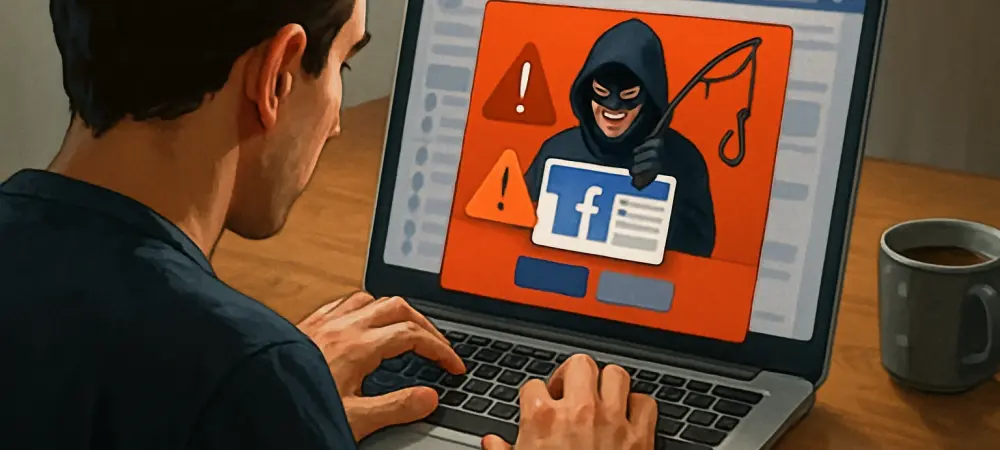
In an era where digital trust is constantly tested, a disturbing trend has emerged that exploits the credibility of a respected institution, with scammers impersonating the FBI’s Internet Crime Complaint Center (IC3) through sophisticated spoofing schemes on social media platforms like Facebook. These scams lure unsuspecting users into traps designed to steal personal information, undermining public safety and highlighting the growing challenge of combating cybercrime in an age dominated by artificial intelligence and manipulated media. The FBI has issued urgent warnings about these scams, emphasizing the importance of vigilance when encountering online content claiming to represent official channels. As these fraudulent activities continue to evolve, understanding the tactics employed by threat actors becomes essential for protecting sensitive data and avoiding financial loss. This article delves into the mechanisms behind these scams and offers critical guidance on staying safe.
1. The Mechanics of Spoofing Attacks on Social Platforms
These spoofing scams begin with the creation of fake Facebook pages and profiles that mimic the FBI’s IC3 branding, often using AI-generated images and text to appear legitimate. Security researchers have identified dozens of such accounts, some of which even link to the authentic IC3 website to build trust among users. The primary goal is to trick individuals into sharing personal details like names, addresses, phone numbers, and banking information under the guise of assisting with fraud recovery. Scammers exploit the emotional vulnerability of victims by promising help with financial restitution, only to harvest their data for malicious purposes. The use of hashtags and paid ads further amplifies the reach of these fraudulent posts, making it easier for them to target a wide audience. This calculated approach demonstrates the increasing sophistication of cybercriminals who leverage both technology and psychology to deceive users on a massive scale.
Beyond the initial deception, these scams often direct users to private communication channels such as direct messages or external platforms like Telegram for further engagement. In some instances, manipulated videos and links to counterfeit websites are shared, encouraging victims to submit sensitive information through fraudulent forms. These secondary tactics are designed to deepen the scam by creating a false sense of urgency or legitimacy, often citing fake support centers on other platforms like TikTok. The irony lies in the fact that many individuals encounter these spoofed resources while genuinely seeking help from the FBI to report cybercrime. This exploitation of trust in government institutions poses a significant challenge, as it blurs the line between authentic and malicious content. Staying informed about these methods is crucial for recognizing red flags and avoiding irreversible consequences.
2. The Broader Impact of IC3 Impersonation Schemes
The implications of these spoofing attacks extend far beyond individual victims, as they erode public confidence in official reporting tools and online safety mechanisms. When scammers hijack the trusted IC3 brand, it creates a ripple effect, making people hesitant to engage with legitimate resources for fear of being duped. This hesitation can delay critical reporting of cybercrimes, allowing threat actors to operate unchecked for longer periods. Furthermore, the use of advanced technologies like AI to craft convincing personas and media underscores a troubling gap in platform moderation capabilities. Despite efforts to curb fraudulent ads, these scams continue to slip through the cracks, raising questions about the effectiveness of current detection systems. The scale of this issue demands a coordinated response from social media companies, law enforcement, and the public to mitigate the damage caused by such deceptive practices.
Another concerning aspect is the cross-platform nature of these scams, which often start on Facebook but lead users to other sites or apps where additional harm can occur. For instance, fake IC3 accounts may promote fraudulent websites that mimic the official FBI portal, tricking users into entering personal data while believing they are filing a legitimate complaint. This multi-layered approach not only increases the likelihood of success for scammers but also complicates efforts to trace and dismantle their operations. The FBI has noted that many victims unknowingly visit these spoofed sites during genuine attempts to seek assistance, highlighting a critical vulnerability in public awareness. Addressing this issue requires not only technological solutions but also widespread education on safe online practices to prevent further exploitation by cybercriminals.
3. Safeguarding Against Deceptive Online Threats
Looking back, the rise of FBI spoofing scams on platforms like Facebook revealed a pressing need for heightened digital literacy among users. The FBI provided clear guidance that proved invaluable, such as typing the official IC3 URL directly into browsers rather than relying on search engines or clicking suspicious links. Verifying that the website ends in “.gov” and avoiding sponsored search results were also critical steps that helped many steer clear of fraud. These measures, though simple, played a significant role in reducing the risk of falling prey to impersonation schemes that thrived on haste and misplaced trust.
Reflecting on past challenges, a forward-looking approach to staying safe involves adopting proactive habits and leveraging available resources. Users are encouraged to remain skeptical of unsolicited posts or messages claiming to represent official entities, especially those urging immediate action or private communication. Regularly updating security settings on social media accounts and reporting suspicious content can also contribute to a safer online environment. As cyber threats evolve, staying informed through trusted channels and sharing knowledge with others becomes an essential defense strategy against future scams.