

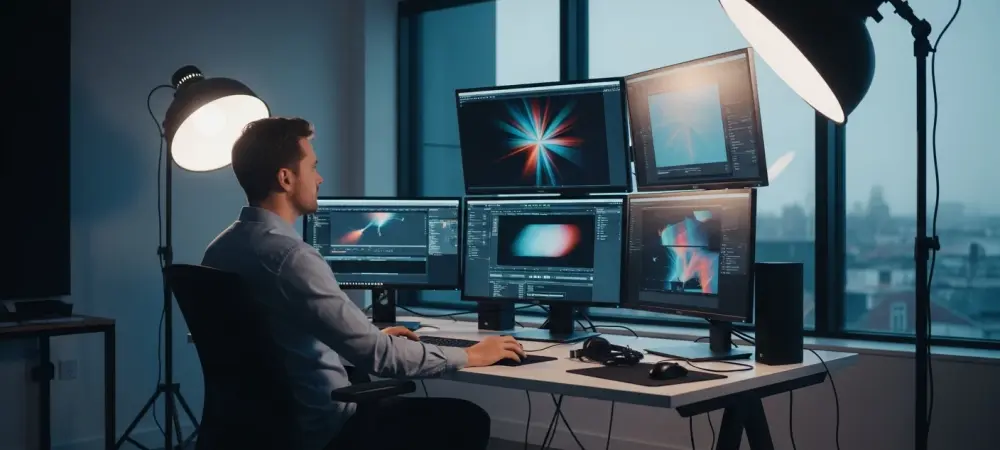
The traditional paradigm of professional video production, once defined by massive capital investments and specialized technical teams, has effectively collapsed in favor of a decentralized and algorithmically driven model that prioritizes agility over sheer scale. This radical transformation allows creators to bypass the grueling logistics of traditional filming, focusing instead on high-level conceptualization and narrative architecture rather than technical limitations that once dictated the scope of a project. By integrating sophisticated software that can render complex visual sequences from simple text prompts, the industry is witnessing a shift where creative intent outranks budgetary capacity in every significant metric. The democratization of these tools means that the distinction between a high-budget studio production and an independent digital project is becoming increasingly blurred. As a result, the barriers to entry that once silenced diverse voices have been dismantled, fostering a global landscape where the merit of a story is no longer tethered to the depth of a producer’s pockets or the complexity of a physical hardware setup.
Visual Synthesis: Transforming Static Imagery into Dynamic Experiences
The emergence of advanced image-to-video technology has fundamentally altered the way digital artists approach visual composition and audience engagement across various platforms. Modern tools are now capable of analyzing a single static photograph or a digital painting to infer depth, lighting, and physics, allowing for the seamless application of cinematic movements such as complex pans and tracking shots. This capability is especially critical in the current social media climate, where the initial three seconds of a video determine whether a viewer remains engaged or scrolls past the content. By imbuing still images with high-fidelity motion, creators can produce high-quality B-roll and atmospheric transitions without ever picking up a camera. These advancements ensure that even archival photographs or concept art can be transformed into living narratives, providing a level of visual dynamism that was previously reserved for projects with significant post-production budgets and VFX teams.
The evolution of video synthesis extends into the realm of text-to-video generation, where written descriptions are converted into full-motion sequences with realistic lighting and texture. These systems utilize expansive datasets to understand the nuances of human movement and environmental interactions, enabling the creation of entire scenes from a brief script. Beyond simple backgrounds, the integration of realistic AI avatars and automated voiceover synchronization allows for a comprehensive storytelling suite that manages everything from character performance to final scene transitions. This shift bridges the gap between the raw idea and the final product, allowing for a rapid visualization process that significantly shortens the distance between inspiration and execution. As these tools become more intuitive, they offer a unified environment for filmmaking that prioritizes story structure over the manual labor of lighting, rigging, or physical set construction, thereby redefining what it means to be a director.
Economic Democratization: Navigating Shifts and Production Efficiency
Small and medium-sized enterprises have found themselves in a position where they can now challenge global corporations by producing marketing materials of comparable visual quality and impact. This leveling of the playing field is driven by the extreme cost-efficiency of generative video, which removes the financial burden associated with hiring large crews or renting expensive studio spaces. Brands can maintain a consistent and highly polished digital presence through automated workflows, allocating their saved resources toward strategic growth and product innovation rather than sinking capital into repetitive production tasks. From 2026 to 2028, market forecasts suggest that the adoption of these automated visual tools will become the standard for any business seeking to remain relevant in a visual-first economy. This economic shift allows for a more sustainable approach to content creation, where the focus remains on brand messaging and consumer connection rather than the sheer cost of capturing visual assets. Modern digital platforms have increasingly prioritized workflow optimization, reducing the time required for high-quality production from several weeks to a few hours. This unprecedented speed of execution allows businesses and digital influencers to react to shifting market trends in real-time, producing topical content that resonates with current cultural conversations. The ability to iterate on multiple creative strategies simultaneously through A/B testing of various video variations has transformed how marketing campaigns are designed and deployed. In a marketplace where attention is the most valuable currency, the capacity to publish content frequently and with high production value provides a decisive competitive advantage. This rapid turnaround cycle does not merely save time; it fundamentally changes the nature of digital engagement, moving it away from static, long-term planning toward a more agile and responsive methodology that favors the most adaptive and technically proficient creators who utilize these systems.
Vertical Integration: Expanding Applications Across Diverse Sectors
The practical application of generative video tools has moved beyond the creative arts and is now deeply embedded in sectors such as e-commerce and higher education. Educators are utilizing AI to transform complex theoretical concepts into digestible visual narratives, creating interactive learning modules that adapt to the needs of individual students through personalized video content. In the e-commerce sector, retailers are leveraging these tools to showcase products in dynamic environments, replacing traditional static catalogs with immersive demonstrations that highlight features in realistic settings. This shift has not only improved consumer engagement but also reduced return rates by providing a clearer understanding of product scale and functionality. By integrating motion-based storytelling into everyday commerce and learning, the industry is setting a new standard for how information is conveyed, ensuring that visual communication is both informative and aesthetically compelling for a diverse global audience. In the realm of professional cinema and independent filmmaking, AI is acting as a sophisticated assistant that handles the technical complexities of pre-production and visual effects. Directors now utilize these tools to visualize complex sequences through high-fidelity storyboarding and pre-visualization before any live-action filming occurs. This collaborative approach allows for greater experimentation with camera angles and lighting, as changes can be rendered instantly without the need for physical reshoots. This partnership between human intuition and algorithmic precision encourages a more experimental approach to digital media, where creators are freed from technical constraints to explore more ambitious and unconventional storytelling techniques. The synergy between man and machine is thus fostering a new era of artistic expression that balances efficiency with vision.
Strategic Adaptation: Managing Evolution in the Modern Media Landscape
Organizations that successfully transitioned to an AI-augmented production model found that the integration of these tools required a fundamental shift in internal skill sets. Rather than focusing on manual video editing or technical camera operation, creative teams shifted their focus toward prompt engineering, narrative strategy, and high-level visual curation. This transition period demonstrated that the value of digital storytelling shifted from the act of production to the quality of the creative direction. Those who invested early in training their personnel to work alongside generative systems achieved a higher output of localized content, allowing for global campaigns to feel personally tailored to specific regional audiences. The past few years proved that the most successful strategies were those that viewed AI not as a replacement for human talent, but as a force multiplier for creativity. Moving forward, the emphasis remains on developing robust ethical frameworks and maintaining a unique brand voice amidst a sea of media.
The rapid evolution of visual tools necessitated a proactive approach to content management and data security within the digital media landscape. Forward-thinking companies established clear guidelines for the use of synthetic media, ensuring transparency with audiences while utilizing the technology to its fullest potential. To stay ahead of the curve, creators had to prioritize the development of original intellectual property that leveraged the speed of AI without sacrificing the authenticity of the human experience. Actionable steps for contemporary professionals included the adoption of hybrid workflows that combine traditional storytelling techniques with real-time generative feedback. By focusing on narrative depth and emotional connectivity, storytellers ensured that their work remained impactful regardless of the technology used to produce it. The transition into this automated era highlighted that while the tools of the trade changed, the fundamental need for compelling and meaningful human stories remained the ultimate driver of success.