

The global transportation sector is no longer defined by the roar of the engine or the craftsmanship of the chassis but by the silent, invisible flow of data through high-capacity digital neural networks. This radical metamorphosis marks a fundamental departure from the legacy model of independent, human-operated machines toward a sophisticated, interconnected ecosystem of intelligence. For over a century, success in transit was measured by individual vehicle performance and private ownership. However, as the industry moves through the current decade, this “product-centric” viewpoint is being replaced by a “system-centric” approach. This transformation is driven by the convergence of artificial intelligence, the Internet of Things, and advanced automation. Together, these forces are reimagining vehicles as active nodes within a broader digital network, where constant data exchange is just as vital as the mechanical components of the car itself. This shift represents more than just a technological upgrade; it is a complete restructuring of how society moves, focusing on fluidity and system-wide optimization rather than isolated speed.
The Evolution of Movement in a Digital Age
To understand the significance of the current shifts, one must look at the historical foundation of mobility that preceded the digital era. For decades, vehicles were essentially isolated units where a driver’s situational awareness was strictly limited to what they could observe through the windshield. Industry improvements were historically slow, focusing primarily on incremental mechanical enhancements such as fuel efficiency, aerodynamics, or basic safety features. The modern landscape, however, is shaped by the rapid digitization of the world at large and the rise of ubiquitous connectivity. High-speed cloud computing has moved the “intelligence” of transportation from the driver’s seat to the cloud, allowing for a level of coordination previously thought impossible. This background is essential because it explains the pivot toward Mobility as a Service. Manufacturers are no longer just building better cars; they are constructing a digital fabric that manages the movement of everything from personal commutes to global logistics.
From Mechanical Machines to Intelligent Networks
The transition from mechanical machines to intelligent networks has fundamentally altered the value proposition of the automotive industry. In the past, value was tied to the physical longevity and horsepower of the vehicle. Today, the value is increasingly found in the software stack and the ability of the vehicle to integrate with external platforms. As connectivity becomes standard, the vehicle is being redefined as a “software-defined platform.” This shift allows for over-the-air updates that improve performance and add features long after the vehicle has left the factory. Moreover, this connectivity enables a deeper understanding of vehicle usage patterns, allowing for more efficient allocation of resources across entire urban grids. The move toward intelligent networks means that a vehicle is never truly “off the grid,” but rather remains a constant participant in a data-driven dialogue that optimizes the entire transportation landscape.
The Technological Pillars of Modern Mobility
The foundation of this new era rests upon three primary technological pillars that work in tandem to deliver a seamless experience. These pillars—AI, IoT, and automation—function as the brain, the nervous system, and the physical execution of modern transit. Without the integration of these systems, the vision of a truly efficient and safe mobility network would remain out of reach. Each component addresses a specific challenge in the transit chain, from cognitive decision-making to the physical sensing of the environment.
Artificial Intelligence as the Cognitive Core of Transit
Artificial intelligence has evolved from a peripheral convenience into the operational brain of the modern vehicle. While early applications focused on basic navigation or voice commands, the current era utilizes AI as a massive predictive engine. Instead of merely reacting to a sudden stop, vehicles can now anticipate traffic patterns miles ahead by analyzing real-time data on weather, local events, and historical demand. For electric vehicles, AI manages energy consumption with extreme precision, calculating the most efficient routes to preserve battery life while identifying charging stops that align with the user’s schedule. Furthermore, AI ensures that while a vehicle is optimized for its passenger, it remains a “good citizen” within the larger traffic flow, contributing to reduced congestion and improved safety for all road users.
The Internet of Things and the Nervous System of Infrastructure
If AI is the brain, the Internet of Things represents the nervous system of modern transportation. Physical infrastructure—roads, bridges, and traffic lights—is being outfitted with sophisticated sensors that transform inanimate objects into active data participants. This facilitates Vehicle-to-Infrastructure and Vehicle-to-Vehicle communication. In this connected reality, a traffic jam or an icy road is no longer an isolated incident encountered by one driver; it becomes a “data event” broadcast across the network. This allows the system to dynamically reroute traffic and adjust signal timings before congestion peaks. Beyond traffic, IoT integration allows vehicle fleets to act as distributed batteries, returning energy to the grid during peak demand and charging when usage is low, creating a more resilient energy ecosystem.
Navigating the Realities of Automation and Hybrid Environments
A common misunderstanding in recent years was that transportation would flip from human-driven to fully autonomous overnight. In reality, the industry is navigating a period of “layered autonomy” that emphasizes pragmatic integration. This approach acknowledges that while full Level 5 autonomy remains a complex hurdle, incremental automation offers immediate safety and economic benefits. The market is currently in a hybrid era where human drivers and AI coexist on the same roads. Automation is currently dominating controlled environments, such as highway cruising and logistics hubs, while “assisted driving” manages the cognitive load of city traffic. This phased rollout is crucial for building public trust and allowing regulatory frameworks to catch up with the rapid pace of innovation.
Anticipating the Next Wave of Urban Innovation
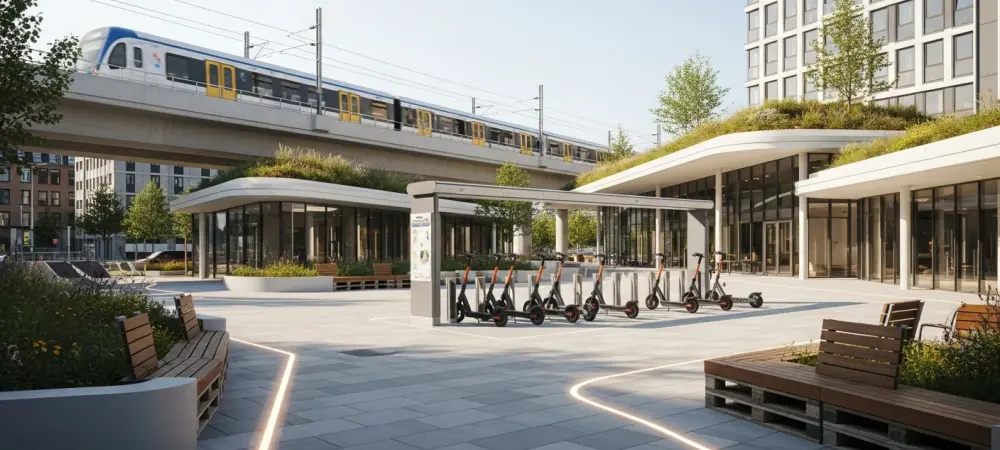
The future trajectory of transportation will likely see the city itself acting as a “co-processor” for the vehicles moving through it. Emerging market trends point toward the use of “digital twins”—virtual replicas of urban environments—that allow planners to simulate traffic changes in a digital space before implementing them in the physical world. This leads to a definitive shift away from private ownership toward subscription-based models. As AI dispatch systems enable dynamic fleet allocation, the economic incentive to own a private car in a city continues to diminish. Expectations for the coming years point to a future where trains, e-scooters, and autonomous shuttles are integrated into a single, seamless digital interface, focusing entirely on the efficiency of the journey rather than the hardware of the vehicle.
Navigating the Transition: Strategies for a Connected World
Adapting to this shift requires a new set of priorities for both organizations and individuals. There must be a rigorous focus on cybersecurity; as vehicles become mobile computers, protecting the network is a matter of physical safety. Organizations should move toward predictive maintenance models, using real-time vehicle data to repair parts before they fail. For the individual, the focus shifts to “cognitive load reduction,” where users must learn to interact with intuitive, AI-driven interfaces that provide information without causing distraction. Additionally, the physical presentation of vehicles remains vital. In a world of machine vision, maintaining clear markings and high-quality exterior finishes is essential for both human recognition and the sensors that guide autonomous systems. Consistency in physical maintenance is now a functional requirement for the safe operation of the connected network.
Redefining the Journey Ahead
The analysis confirmed that the transition from independent vehicles to a connected mobility network represented the most significant industrial shift of the century. Industry leaders successfully prioritized data integration and sensor fusion to ensure safer and more predictable transit outcomes across global markets. The findings indicated that the convergence of artificial intelligence and high-speed connectivity effectively reduced urban congestion while increasing the reliability of regional logistics chains. Strategic actions taken during this period included the implementation of standardized communication protocols and the adoption of secure cloud architectures to facilitate cross-platform interoperability. Ultimately, the focus of the market moved beyond the mere sale of hardware, centering instead on the provision of seamless, automated, and sustainable movement as a fundamental service. Organizations that embraced these insights secured a competitive advantage by treating connectivity as a core asset. Moving forward, the industry solidified the role of the vehicle as an integral component of a broader, intelligent infrastructure.