

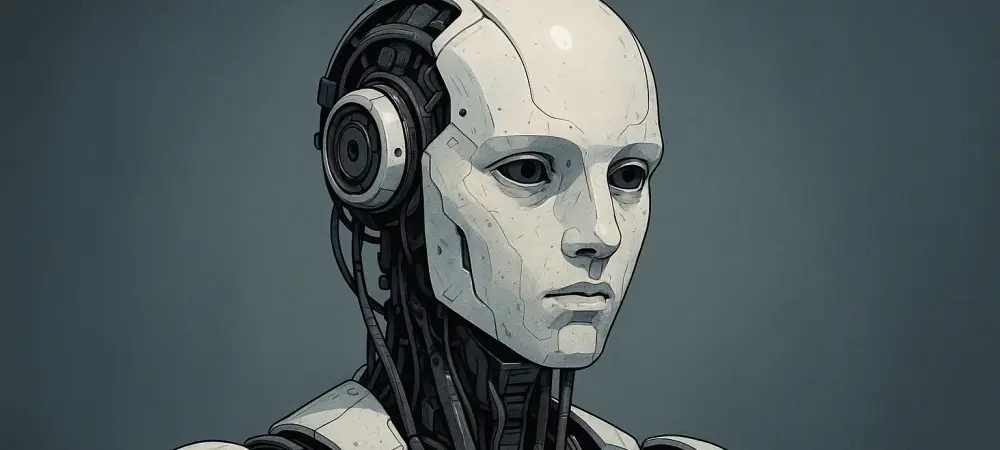
Artificial intelligence (AI) is often met with a mixture of skepticism and excitement as its capabilities evolve rapidly. The notion that AI systems can either augment or threaten human jobs has been central to this discourse. Yet, it’s essential to recognize the invaluable potential of AI, not merely as a tool for automation, but as a strategic collaborator in the human workforce. By transforming AI from a feared competitor into an efficient partner, industries worldwide can unlock a reservoir of creativity and productivity yet to be tapped. This collaborative endeavor between human intellect and artificial intelligence offers a future brimming with innovative possibilities that, if embraced, could revolutionize traditional business paradigms. Organizations are increasingly realizing that the efficacy of AI isn’t limited to speeding up processes or cutting down operational costs. Instead, AI’s true potency lies in its ability to work alongside humans, complementing human skills and fostering an environment of collaborative innovation. The transformation necessitates a significant alteration in existing business models and thought processes. The focus should shift from apprehension about AI-induced job displacement to harnessing AI’s capacity to perform tedious tasks with speed and accuracy, thereby liberating human talents to concentrate on strategic, creative, and complex problem-solving activities. This synergistic approach not only multiplies productivity but also offers a competitive edge to businesses willing to undertake this forward-minded reformation.
Redefining Human Expertise
In fostering a collaborative relationship between humans and AI, it’s crucial to identify where technology can act as a bridge, supplementing areas that require substantial computational power. For example, within marketing departments, AI can generate numerous advertisement variations, allowing humans to refine branding strategies and engage more deeply with core creative processes. This distinction allows human creativity to flourish, focusing on the more intuitive and emotive aspects of marketing that AI has yet to master. The outcome is a heightened level of creativity and efficiency, stemming from AI’s ability to quickly churn out data and options, which humans can then artistically and strategically refine. Similarly, within engineering sectors, AI plays an instrumental role in performing complex calculations that are otherwise time-consuming for humans. Engineering firms have seen success by deploying AI for computational simulations, thus freeing human engineers to concentrate on interpreting results and implementing practical applications based on these insights. This approach allows the analytical strength of AI to be fully utilized, while human experts add tangible value with their experiential knowledge and nuanced understanding. Such a dynamic fusion of technology and human insight is redefining the boundaries of what is possible, illustrating that AI can do more than just lighten the human workload—it enhances human skills and widens the horizon for groundbreaking advancements.
Overcoming Traditional Workflow Constraints
Traditional organizational workflows historically rely on rigid structures and hierarchies that often stifle genuine innovation. In contrast, AI introduces an opportunity to promote a more agile and adaptive working environment. Like an improvised jazz ensemble, where each musician intuitively responds to others’ cues, organizations can adopt a similar approach to integrating AI. This model encourages spontaneous collaboration where humans and AI systems share duties, respecting each participant’s unique strengths and limitations. By fostering a flexible and responsive environment, businesses can maneuver swiftly amid changing conditions and evolving challenges, allowing them to stay ahead in the competitive marketplace.
This novel approach to workflow can be particularly beneficial when confronting complex challenges requiring strategic pivots. For instance, in sectors like logistics, AI can optimize delivery routes efficiently and in real-time, offering cost-saving opportunities and valuable time to human dispatchers. They can then focus on developing creative logistics solutions, leading to enhanced customer satisfaction and overall service improvement. Such restructured workflows not only elevate operational efficiency but also enable businesses to be more adaptable, innovative, and ready to capitalize on emerging trends and consumer demands. The symbiotic relationship between AI and human efforts becomes an essential driver of progress, paving the way for unparalleled growth and advancements.
Cultivating a Culture of Continuous Learning
To implement successful human-AI partnerships, businesses must rethink traditional educational and training paradigms, shaping them to encompass the constantly evolving nature of AI technologies. The roadmap toward this integration consists of more than simply transitioning established protocols to new platforms; it requires a thorough reimagining of how employees interact with technology. This includes training team members to understand how AI systems process information and produce results, helping them discern these systems’ capabilities and limitations. Employees should be encouraged to develop analytical skills that enable them to work in harmony with AI and optimize outcomes through synergy.
Moreover, feedback loops between human users and AI need to be developed and enriched. This process shouldn’t solely involve humans correcting AI’s mistakes but also provide critical insights into why these corrections are necessary. Doing so serves as a continuous learning module for both AI systems and the workforce, promoting the fine-tuning of algorithms while enhancing human cognitive engagement. Just as AI evolves to better analyze and predict patterns, employees sharpen their abilities to interpret data and apply it effectively. Introducing such adaptive learning cultures empowers organizations to evolve, continually improving their practices and staying relevant amid rapid technological advances.
Transforming Industry Landscapes
Across various sectors, leaders willing to embrace human-AI collaboration are unveiling novel opportunities, positioning themselves to transcend traditional industry benchmarks. Industries, from pharmaceuticals to architecture, are observing this transformation firsthand. For instance, AI systems can handle massive datasets rapidly to identify potential molecular compounds in drug discovery. However, the interpretation and innovation arise when chemists apply their understanding of pharmacology to refine these findings, often leading to breakthroughs in treatment development. Similarly, AI can streamline architectural designs with energy-efficient solutions, yet architects, through their aesthetic intuition and spatial awareness, bring these concepts to life, producing spaces that truly resonate with human experiences. Industries adopting AI as a strategic collaborator reap unprecedented scales of innovation and competitiveness. By integrating AI’s computational prowess with human insight, they are not merely improving processes but creating entirely new capabilities. In logistics, for example, AI-driven predictive analysis forecasts supply chain needs while human ingenuity adapts agile practices to respond swiftly to external changes. This cooperative strategy transcends basic efficiency, creating a robust framework where emerging challenges can be preempted, and solutions designed with forethought and precision. Such strategic foresight reshapes entire industry landscapes, establishing organizations embracing this model as pioneers in their fields.