

The Digital Transformation of the American Heartland
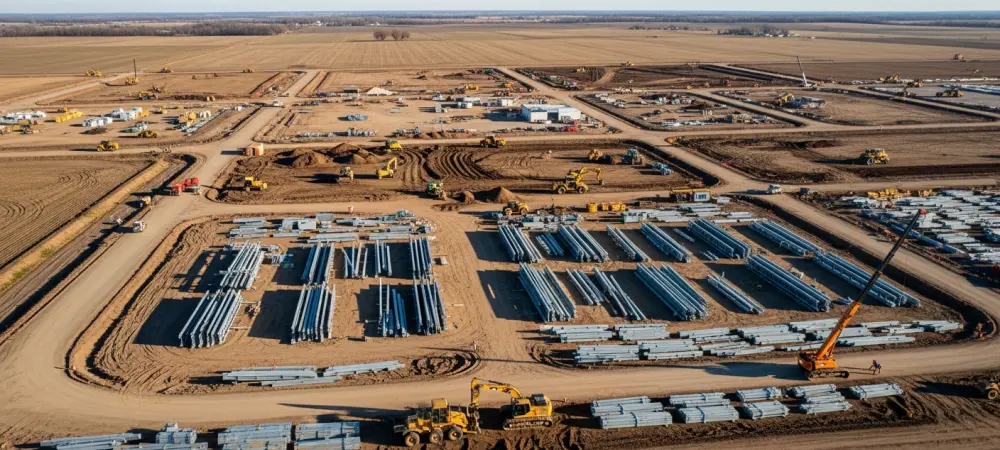
The rolling plains of the Midwest are no longer defined solely by agricultural output but are increasingly seen as the backbone of global digital infrastructure. Iowa has transitioned into a vital hub for cloud computing, where a 900-acre development signifies a fundamental shift in regional identity.
Google’s footprint in Salix highlights the massive demand for data processing. This evolution creates a complex interplay between local governance and corporate strategy as rural communities adapt to tech requirements.
Strategic Logistics and the Socio-Economic Impact of Mega-Scale Data Hubs
Navigating the Regulatory Labyrinth: Annexation and the Woodbury County Moratorium
Salix annexed the site to bypass a data center moratorium by Woodbury County. This move shows how towns capture investments despite regional restrictions. Legislative friction arises when tech expansion clashes with zoning, but Salix asserted autonomy to foster growth. Tactical shifts in jurisdiction allow projects to proceed at the speed required by the tech industry. This approach highlights the tension between county-level regulation and municipal efforts to secure long-term industrial stability.
Strengthening the Economic Fabric: Tax Bases and Job Creation in Woodbury County
New property taxes provide a foundation for government budgets, ensuring the tax burden is shared broadly. Beyond construction, the campus offers roles that keep talent in-state, proving rural areas offer the stability needed for tech giants to thrive.
The development positions the region as a leader in the Silicon Prairie. This economic injection allows for improvements in public services and infrastructure without straining residential taxpayers.
The Transparency Initiative: MidAmerican Energy’s Blueprint for Public Trust
MidAmerican Energy identified Google early to prevent skepticism. This proactive disclosure serves as a model; addressing concerns through fact-based communication builds resilient relationships and mitigates community opposition.
Open dialogue regarding land use and energy consumption ensures residents feel informed. By prioritizing transparency, the developers established a framework for trust that benefits all stakeholders involved in the project.
Integrating Global Infrastructure With Rural Identity
Data campuses can coexist With small-town heritage if managed With sensitivity. These projects act as catalysts for modernization, providing resources to preserve quality of life while bridging the gap between industrial needs and rural values.
Technological spillover, such as improved local connectivity, offers tangible benefits to the community. Success lies in viewing these facilities not as intruders, but as essential partners in the regional economy.
Best Practices for Community Integration and Industrial Growth
The Salix case proves the value of early engagement between tech entities and local leaders. To maximize benefits, a roadmap must balance immediate gains With long-term infrastructure planning to ensure lasting support and environmental protection.
Municipalities should establish clear guidelines for resource management and community investment. Collaborative planning ensures that tech investments leave a positive, enduring legacy in the regions they call home.
Iowa’s Permanent Role in the Global Cloud Economy
Google’s commitment integrated Iowa firmly into the global cloud economy. The synergy between energy providers and tech firms ensured Salix became a cornerstone of digital architecture. Local governments successfully navigated these complexities to secure a modern future for their citizens.