

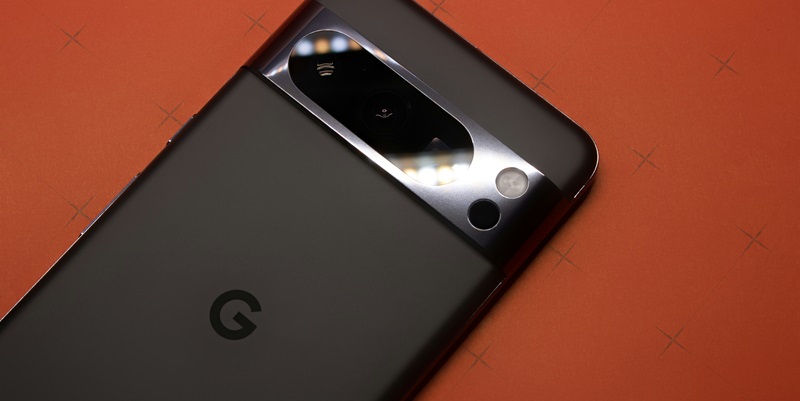
In a decisive shift from their longstanding approach, Google has rolled out an impactful update for their prominent Pixel 8 series, integrating a feature that was fervently anticipated by the tech community and power users alike. With the introduction of Android 14 QPR3 Beta 2, the company has infused the devices with screen mirroring capabilities via the USB-C port. This is an exceptional leap for the Pixel line, as predecessors were known for a stifling lack of this function due to hardware restrictions intentionally set by the manufacturer. This functionality equips users with the “mirror display” feature, presented promptly upon the connection of a suitable USB-C to DisplayPort cable or adapter. Enthusiasts and professionals now rejoice as the Pixel series dabbles into territories that augment user experience and device utility, matching strides with rivals and responding to contemporary demands for versatile device integration.
Pixel 8’s Step Toward Enhanced Productivity
Google’s Pixel 8 introduces a notable “display output” feature, expanding the utility of its smartphones by enabling users to project their screens to larger displays. This development enhances the user experience across various activities such as productivity tasks, gaming, and watching media. Although an elementary form of desktop mode was present in Android since version 10, it was primarily geared toward developers. The Pixel 8’s step forward suggests that Android’s desktop capabilities might be further refined in the upcoming Android 15 release.
Still, Google’s desktop mode does not yet match the sophistication of Samsung’s DeX, which transforms a smartphone into a desktop computing environment. This underscores that Google’s journey to a fully-fledged desktop experience for Android users is ongoing. Google faces the task of improving and perfecting this functionality to compete effectively in this niche. With the Pixel 8 and 8 Pro leading the charge, there is potential for a more seamless integration between mobile and desktop environments in future Android iterations.
The Road Ahead for Android Desktop Capabilities
Google has made strides with its Pixel 8 series by including USB-C screen mirroring, reflecting a commitment to extend Android’s versatility on larger screens. This feature is a step toward multifaceted functionality, but a true desktop experience akin to rivals is noticeably lacking. The tech sphere is abuzz, contemplating future Android versions as Google keeps its plans for an improved desktop mode under wraps. The company faces the challenge of meeting user expectations for a seamless portable-to-desktop transition. Enhancing these features is essential for a harmonious blend of mobility and desktop-like utility.
With Google’s latest move, they signal a tentative but notable advance in making Android more adaptable for diverse uses. Yet, the absence of a full-fledged desktop interface leaves users and experts alike eager for what’s next. As Google’s roadmap for Android’s desktop potential remains undisclosed, the anticipation builds for a user-centered desktop solution that balances ease of use with powerful multitasking capabilities. The direction in which Android will evolve to accommodate these expectations remains an intriguing mystery.