

Setting the Stage for Digital Growth
In an era where digital infrastructure underpins nearly every aspect of modern life, from cloud computing to artificial intelligence, the demand for robust data centers has skyrocketed, with global data traffic expected to triple by the end of this decade. Google, a titan in the tech industry, stands at the forefront of this surge, aggressively expanding its data center footprint to meet escalating needs. This review dives into the company’s ambitious plans in Iowa, particularly in Linn County, where a unique blend of technology and sustainable energy innovation is unfolding. The strategic choice of this Midwest location signals a pivotal shift in how tech giants approach infrastructure growth, balancing economic impact with environmental responsibility.
Analyzing Google’s Iowa Data Center Initiative
Strategic Location and Infrastructure Plans
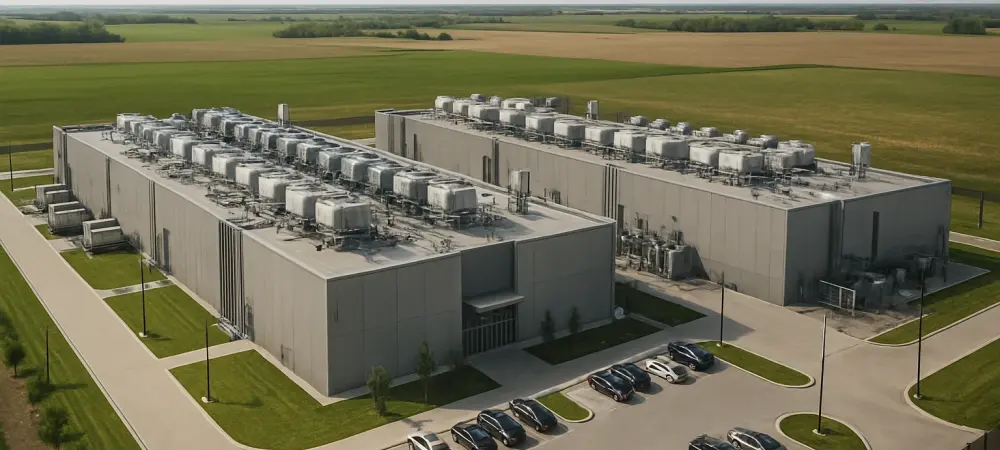
Google’s latest venture in Linn County, Iowa, involves exploring the development of up to six data centers in unincorporated areas near the decommissioned Duane Arnold Energy Center (DAEC), a former nuclear power plant. This site selection is deliberate, leveraging proximity to existing infrastructure that could potentially be repurposed for modern tech needs. The central U.S. location offers logistical advantages, ensuring low-latency connections across the country while tapping into a region eager for economic diversification.
Beyond the physical placement, this project aligns with Google’s broader $7 billion investment commitment in Iowa, which includes a new campus in Cedar Rapids and an expansion in Council Bluffs. An additional $576 million project on Cedar Rapids’ southwest side further underscores the scale of this endeavor. These developments highlight how Iowa’s geographic and economic attributes are becoming a magnet for tech infrastructure, positioning the state as an unexpected hub in the digital landscape.
Integration with Sustainable Energy Solutions
A standout feature of this initiative is the potential revival of the Duane Arnold Energy Center, with NextEra gaining approval to reconnect the plant to the grid this year and eyeing a possible restart by early 2028. Google has reportedly engaged in discussions with DAEC to support this reactivation, recognizing nuclear power as a sustainable energy source to fuel the immense power demands of data centers. This synergy could set a benchmark for how tech companies address energy consumption, a critical concern in an industry often criticized for its environmental footprint. The collaboration between tech and energy sectors reflects a growing trend of repurposing decommissioned energy sites for modern infrastructure. Such partnerships not only breathe new life into dormant facilities but also pave the way for carbon-neutral operations, aligning with Google’s long-term sustainability goals. This aspect of the project could redefine best practices for data center deployments in regions with similar historical energy assets.
Economic and Digital Impact
The implications of Google’s expansion extend far beyond technical infrastructure, promising significant economic benefits for Linn County and the broader Iowa region. Job creation, both during construction and in long-term operations, stands to invigorate local economies, while the influx of tech investment positions Iowa as a player in the national tech ecosystem. Infrastructure development spurred by these projects will likely enhance regional connectivity and attract further corporate interest.
On a functional level, these data centers will bolster critical digital services, supporting everything from cloud storage to AI processing. Industries ranging from healthcare to finance rely on such capabilities for seamless operations, and Google’s enhanced presence in Iowa ensures that even rural areas gain access to cutting-edge technology. This democratization of digital resources could bridge gaps in tech accessibility across diverse communities.
Challenges in Implementation
Environmental and Resource Concerns
Despite the promise of economic and technological advancement, the environmental impact of data center operations remains a pressing issue. High water usage for cooling systems poses a potential strain on local resources, prompting Google to fund a comprehensive water impact study in Linn County. This initiative aims to evaluate the sustainability of both the data centers and any associated energy projects, such as the potential restart of DAEC or the use of gas generators.
Balancing growth with ecological responsibility is a delicate task. The findings of the water study will be crucial in shaping mitigation strategies and ensuring that local ecosystems are not adversely affected. Google’s proactive approach in addressing these concerns signals a commitment to responsible development, though the effectiveness of such measures will only become clear with time and transparent reporting.
Regulatory and Community Hurdles
Linn County faces logistical and regulatory challenges as it navigates this large-scale tech influx, marking its first major engagement with data center projects. The county is currently drafting ordinances to govern data centers, nuclear power reactivation, and alternative energy solutions like gas generators. This regulatory framework is essential to manage the integration of such complex industries into a region with limited prior experience.
Community perspectives also play a vital role in the project’s trajectory. While economic benefits are widely acknowledged, local stakeholders are keenly aware of potential disruptions, from resource allocation to land use changes. Striking a balance between welcoming innovation and safeguarding community interests will require ongoing dialogue and adaptive governance, a process that Linn County is only beginning to undertake.
Reflecting on the Path Forward
Looking back on Google’s data center expansion in Iowa, the initiative stood as a bold intersection of technology and sustainability, with Linn County emerging as a testbed for innovative energy solutions. The strategic alignment with the potential revival of the Duane Arnold Energy Center offered a glimpse into a future where tech infrastructure could harmonize with environmental goals. Yet, challenges around resource usage and regulatory readiness underscored the complexity of such ambitious projects.
Moving forward, actionable steps include prioritizing the outcomes of the water impact study to inform sustainable practices and ensuring that regulatory frameworks evolve in tandem with community needs. Google’s collaboration with energy providers like NextEra should deepen, setting a replicable model for other regions. This endeavor, though fraught with hurdles, holds the potential to inspire a new standard for tech growth, where economic progress and ecological stewardship go hand in hand.