

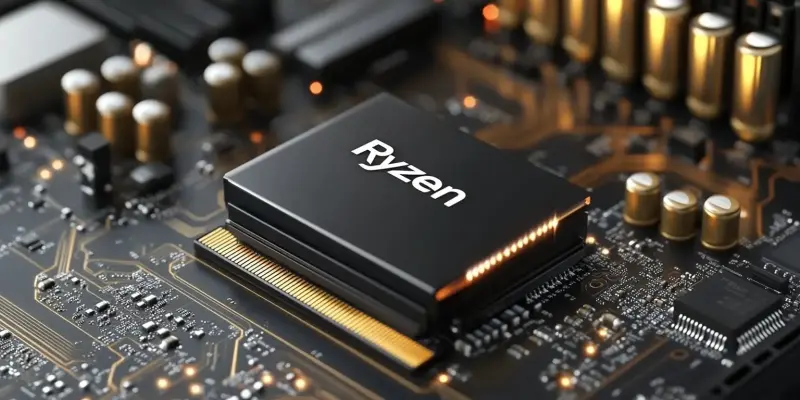
Imagine a world where mini-PCs deliver the sheer power and performance often reserved for high-end gaming desktops and workstations. GMK has recently announced an innovative step towards making this vision a reality with the unveiling of the world’s first mini-PC based on AMD’s groundbreaking Ryzen AI 9 Max+ 395 processor. This move is expected to significantly shift the landscape of compact computing solutions, bringing unparalleled performance and advanced AI capabilities to the market. Set to be released in either the first or second quarter of 2025, GMK’s new mini-PC lineup is poised to set a new standard in the industry.
Cutting-Edge Processor Technology
The Power of the Strix Halo Series
The Strix Halo series represents AMD’s premium offering in the mobile processor segment and utilizes the highly efficient Zen 5 architecture. The Ryzen AI Max processors, a pivotal part of this powerful lineup, can deliver up to a 16-core/32-thread configuration, complemented by formidable RDNA 3.5-based integrated graphics. It’s not merely a leap, but a substantial soar in computing capabilities. Ensuring exceptional performance, GMK’s mini-PCs are built to cater to high-performance client PCs, making them ideal for demanding tasks across various applications.
This leap in performance can significantly enhance user experience, especially in computing and AI tasks. Remarkably, the Ryzen AI Max+ 395 processor almost triples the performance metrics of Intel’s Lunar Lake Core Ultra 9 288V. Such groundbreaking advancements promise fluid multitasking, faster processing times, and improved overall efficiency. Coupled with AMD’s Radeon 8060S iGPU, featuring 40 Compute Units, this combination sets a new benchmark for integrated graphics. This upgrade is a noteworthy advancement from the 16 CUs found in the Strix Point’s Radeon 890M, ensuring that even the most CPU-intensive tasks and graphical workloads are handled with ease.
Defining TDP and Power Efficiency
Thermal Design Power (TDP) plays a crucial role in determining the efficiency and performance of processors. For the Strix Halo CPUs, the TDP ranges between 45-120W. This higher range is expected to be justified by the increased performance capabilities, allowing the mini-PCs to maintain superior processing speeds without compromising thermal efficiency. This feature ensures optimal performance, even during prolonged high-intensity tasks, making GMK’s mini-PCs a desirable choice for both professional and personal use.
The new processors empower users to perform a wide range of tasks seamlessly, blending productivity with entertainment. Whether it’s complex AI-driven computations, 3D rendering, or hardcore gaming, this mini-PC promises to deliver an uncompromised experience. As the industry leans towards more compact, yet powerful computing solutions, the introduction of the Ryzen AI Max+ 395 processor in mini-PCs not only aligns with current trends but also sets a future direction for integrating powerful chips into portable devices.
Market Anticipation and Speculations
Potential Impact on Client PC Market
The anticipation surrounding GMK’s new mini-PCs is palpable within the premium client PC market. While specific details like RAM and storage capacities have not been explicitly disclosed, they are presumed to align with GMK’s current high standards. Existing offerings from GMK already feature up to 32 GB RAM and 1 TB storage, setting a solid precedent for the upcoming mini-PCs. This continuity ensures that the new devices will not only meet but exceed the expectations based on previous models.
Furthermore, the market readiness for such advanced mini-PCs indicates a significant shift towards compact yet highly efficient computing solutions. This is particularly relevant for professionals who require robust performance in a portable format, as well as tech enthusiasts seeking powerful devices in smaller form factors. As the release date approaches, excitement continues to build around the exact configurations and pricing. The extended anticipation for definitive specifics has only fueled speculation and discussion within tech communities.
Possibilities for Gaming and Beyond
Imagine a world where mini-PCs deliver the sheer power and performance traditionally reserved for high-end gaming desktops and workstations. GMK has just stepped toward making this vision a reality by unveiling the world’s first mini-PC based on AMD’s revolutionary Ryzen AI 9 Max+ 395 processor. This groundbreaking move is anticipated to drastically alter the landscape of compact computing solutions, introducing unmatched performance and sophisticated AI capabilities to the market. Scheduled for release in either the first or second quarter of 2025, GMK’s upcoming mini-PC lineup aims to establish a new benchmark in the industry. The introduction of these mini-PCs signifies a monumental leap forward, enabling users to experience extraordinary computing power in a compact form that doesn’t compromise on efficiency or functionality. With the adoption of AMD’s cutting-edge processor, these mini-PCs are expected to cater to a variety of demanding applications, from gaming and content creation to AI-driven tasks, thereby setting a new precedent for what compact devices can achieve.