

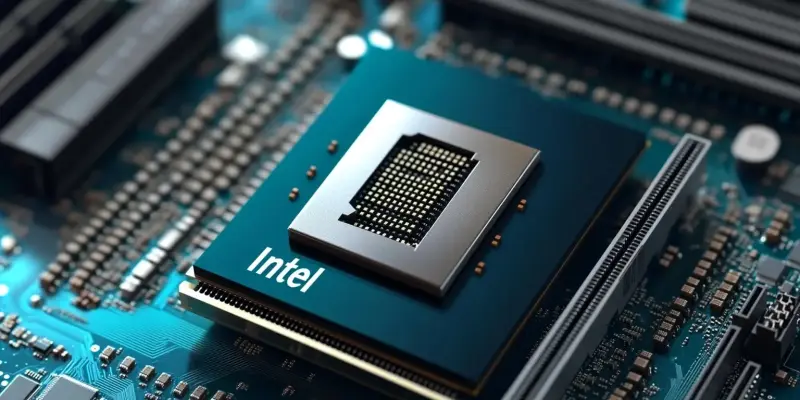
CES 2025 saw Intel introduce remarkable new concepts in modular computing, displaying their commitment to advancing technology through innovative designs. Alongside next-gen laptops, Intel revealed a groundbreaking handheld device, all part of their resolute exploration into easily upgradeable and customizable computing hardware.
Modular Handheld Device
The showstopper among Intel’s unveilings was the sophisticated handheld device, crafted with a metallic finish and featuring swappable screens. Utilizing three independent connectors, it enables users to replace the 7-inch FHD screen with higher specifications as needed. This enhancement in modularity reflects yet surpasses past models such as the AYANEO 3, known for its interchangeable controllers. Intel’s bold vision reaches further by proposing complete configuration changes, paving a new path for future handheld devices.
The Lunar Lake Laptop
Another standout in Intel’s showcase was the modular “Lunar Lake” laptop. Borrowing from Intel’s previous “Compute Card” concept, this laptop packs essential PC components into a card-sized module. Additional features set it apart from conventional laptops, including a motorized hinge for automated lid operation, eye-tracking capabilities, a unique ring-based mouse system, and a Qi wireless charging pad on the palm rest to enhance user convenience.
Uncertain Market Release
Despite the promising innovations, Intel has yet to announce a definitive release schedule, leaving enthusiasts curious about when these concepts might reach the market. Branded under “AI8A,” the significance of this particular label remains as mysterious as the release date itself.
Collaboration with Quanta
Intel’s endeavor is further bolstered by its collaboration with Quanta, a leading Taiwanese hardware manufacturer renowned in the AI industry. This partnership aims to integrate a modular approach with the latest hardware effectively. However, it remains unclear whether these groundbreaking innovations will gain widespread adoption and transform mainstream consumer products.
Implications for Future Computing
These modular systems allow for enhanced flexibility, letting users replace or upgrade components such as the CPU, GPU, or memory as needed. This is a significant shift from traditional computing, where hardware upgrades often entail buying entirely new devices. Intel’s vision means consumers can keep their technology current while reducing electronic waste, making it a more sustainable option. The handheld device showcases Intel’s innovation, emphasizing portability without sacrificing power or performance. This announcement at CES 2025 marks an exciting progression in how we approach, use, and maintain our tech devices.