
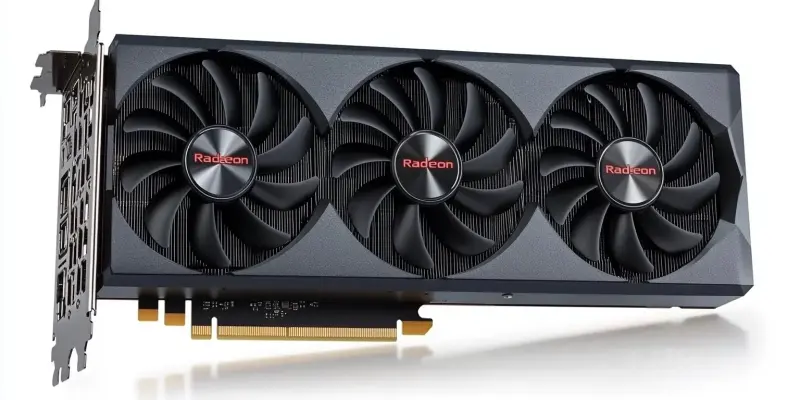
Are AMD’s Radeon RX 9070 GPUs Set to Challenge NVIDIA’s Dominance?

In a surprising move, AMD’s Radeon RX 9070 GPUs have surfaced at a Spanish retailer, NeoByte, well before their official release, sparking discussions about their potential impact on the competitive GPU market. These new GPUs, part of the highly anticipated RDNA 4 series, include models like the Gigabyte AORUS Radeon RX 9070 XT, the Gigabyte Radeon RX 9070 XT Gaming OC, and the Gigabyte Radeon RX 9070 Gaming OC. Prices at NeoByte span from €889.99 to €1,119.99, although these figures are tentative and not expected to reflect the final retail prices. Additionally, a listing by Philippine retailer Netcodex for the RX 9070 XT Gaming OC 16GB at approximately $530 hints that launch prices could widely differ across regions. AMD’s pricing strategy and the early availability of the RX 9070 models are poised to shake up the GPU market, which has long been dominated by NVIDIA.

A New Competitive Landscape

AMD’s Frank Azor has made it clear that the Radeon RX 9070 series aims to capture the $300 to $1,000 price segment, putting it directly in competition with NVIDIA’s 70-class and 80-class GPUs. This competitive pricing strategy is part of AMD’s broader effort to gain a stronger foothold in the mainstream GPU market. As the RDNA 4 series rolls out, consumers are eager to see how these new models will perform against NVIDIA’s established offerings, and whether AMD can deliver better value for money. The battle for dominance is expected to be fierce, with Intel also entering the fray. For consumers, this translates to more choices and possibly better prices as these companies vie for market share. The mainstream GPU sector is indeed heating up, and the Radeon RX 9070’s early listings have only fueled the excitement further. The coming months will reveal whether AMD’s latest GPUs can truly challenge NVIDIA’s stronghold.

Explore more

Trend Analysis: Alternative Assets in Wealth Management

The traditional dominance of the sixty-forty portfolio is rapidly dissolving as high-net-worth investors pivot toward the sophisticated stability of private market ecosystems. This transition responds to modern volatility and geopolitical instability. This analysis evaluates market data, real-world applications, and the strategic foresight required to navigate this new financial paradigm. The Structural Shift Toward Private Markets Market Dynamics and Adoption Statistics

Trend Analysis: Embedded Finance Performance Metrics

While the initial excitement surrounding the integration of financial services into non-financial platforms has largely subsided, the industry is now waking up to a much more complex and demanding reality where simple growth figures no longer satisfy cautious stakeholders. Embedded finance has transitioned from a experimental novelty into a foundational layer of the global digital infrastructure. Today, brands that once

How to Transition From High Potential to High Performer

The quiet frustration of being labeled “high potential” while watching peers with perhaps less raw talent but more consistent output secure the corner offices has become a defining characteristic of the modern corporate workforce. This “hi-po” designation, once the gold standard of career security, is increasingly viewed as a double-edged sword that promises a future that never seems to arrive

Trend Analysis: AI-Driven Workforce Tiering

The long-standing corporate promise of a shared destiny between employer and employee is dissolving under the weight of algorithmic efficiency and selective resource allocation. For decades, the “universal employee experience” served as the bedrock of corporate culture, ensuring that benefits and protections were distributed with a degree of egalitarianism across the organizational chart. However, as artificial intelligence begins to fundamentally

Trend Analysis: Systemic Workforce Disengagement

The current state of the global labor market reveals a workforce that remains physically present yet mentally absent, presenting a more dangerous threat to corporate stability than a wave of mass resignations ever could. This phenomenon, which analysts have termed the “Great Detachment,” represents a paradoxical shift where employees choose to stay in their roles due to economic uncertainty while