

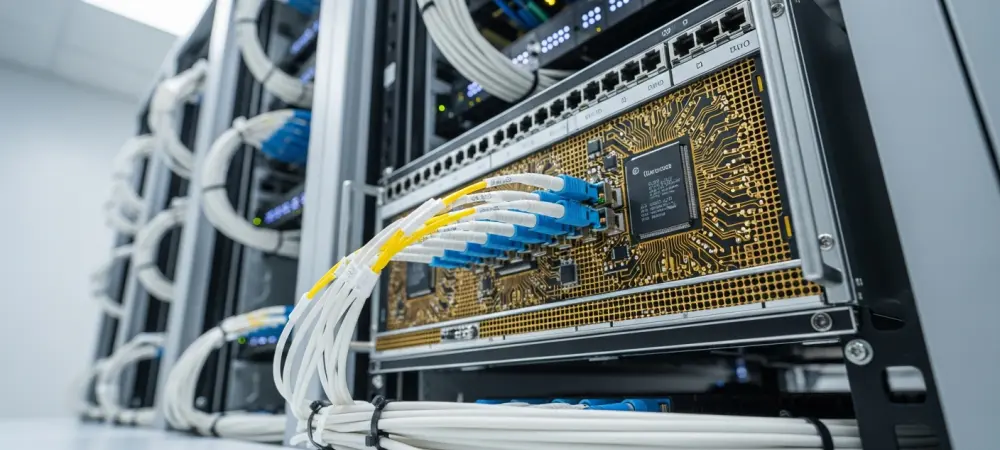
The traditional image of a corporate network as a static collection of wires and boxes in a basement has been decisively replaced by an agile, intelligent nervous system capable of powering the most demanding industrial applications. As German enterprises navigate the complexities of 2026, they find themselves at a critical crossroads where legacy hardware no longer suffices for the high-octane demands of generative AI and decentralized cloud environments. This profound transformation is not merely a technical upgrade but a fundamental reimagining of how data moves, scales, and protects itself across a globalized economy. With the rapid expansion of localized data processing and the surge in multicloud adoption, German businesses are pivoting toward infrastructure that prioritizes flexibility and resilience. This movement is driven by a realization that the network is the foundational pillar upon which all other digital innovations rest, from the smallest startup to the largest automotive powerhouse in the Rhine-Ruhr region.
The Strategic Shift: Transitioning to Software-Defined Architecture
Historically, corporate networks relied on physical routers and switches that required manual, time-consuming configurations, which were often prone to human error and significant delays. Software-defined networking changes this by decoupling the control layer from the physical hardware, allowing for centralized management and nearly instantaneous updates to traffic patterns across the entire organization. This shift provides a scalable framework that can grow alongside the business, making it much easier to deploy new services or adjust to changing demands without needing a technician on-site. By virtualizing the network, companies gain a level of visibility and control that was previously impossible, allowing them to optimize performance for specific applications in real time. This evolution is particularly crucial for supporting the massive data flows required by modern artificial intelligence, ensuring that latency is minimized and throughput is maximized across every branch and data center.
From a financial and operational standpoint, the move to software-defined systems allows for a more efficient balance between capital and operational expenditures for modern firms. By moving away from purchasing static hardware and toward investing in flexible, software-driven outcomes, stakeholders can ensure their infrastructure remains responsive to market fluctuations in real time. This agility is crucial for maintaining a competitive edge in a fast-paced global economy where speed and adaptability are paramount for survival. Furthermore, the ability to rapidly reconfigure network paths ensures that critical business applications receive the bandwidth they require during peak usage periods. This dynamic allocation of resources reduces waste and maximizes the return on investment for digital projects. As enterprises continue to expand their digital footprints, the cost-effectiveness of software-defined networking becomes even more apparent, offering a sustainable path for long-term growth.
Integrated Protection: The Convergence of SASE and Zero Trust
A major trend in the German market is the merging of networking and security into a single, unified framework known as Secure Access Service Edge, which streamlines management. This approach replaces the outdated idea of a protected office perimeter with a Zero Trust model, where every connection request is treated as untrusted until it is thoroughly verified by the system. This is particularly vital in Germany, where maintaining data integrity and local sovereignty is a top priority for both government regulators and private citizens alike. By shifting the focus from the physical network to the identity of the user and the health of the device, organizations can provide secure access from any location without compromising safety. This paradigm shift ensures that security is no longer a bottleneck but a seamless component of the user experience, allowing employees to work effectively from anywhere while keeping sensitive corporate data strictly protected.
By implementing these unified security protocols, companies can apply consistent protection across their entire workforce, whether employees are working from a central headquarters or a remote office. This integration simplifies management for IT departments and significantly shrinks the potential attack surface by removing fragmented security silos that were common in the past. Because security is baked into the network architecture rather than added as an afterthought, the enterprise becomes much harder for cybercriminals to penetrate even as threats become more sophisticated. Furthermore, the use of cloud-native security services allows for real-time updates to threat intelligence, ensuring that the network is always defended against the latest vulnerabilities. For German firms operating under strict compliance standards, this unified approach provides the necessary audit trails and governance required to satisfy legal obligations while maintaining a high level of operational efficiency.
Operational Intelligence: Leveraging Managed Services and AI
To combat the ongoing IT talent drought, many German firms are turning to managed service providers who can handle the complex tasks of designing and optimizing modern networks. These partnerships allow internal teams to offload routine maintenance and instead focus on high-level strategic projects that drive actual business value for the organization. This shift toward external expertise is becoming a permanent fixture of the regional business landscape as the complexity of modern systems outpaces local hiring trends. Providers offer specialized knowledge in areas like automation and cloud integration, ensuring that businesses can leverage the latest innovations without the overhead of training internal staff. This collaborative model fosters a more resilient infrastructure, as managed service providers bring a wealth of experience from diverse environments to help solve unique local challenges while maintaining high standards of service. At the same time, the rise of AI-assisted operations is introducing “self-healing” capabilities to corporate networks, which drastically reduces the need for manual intervention during outages. These platforms use predictive analytics to spot potential failures before they happen, automatically troubleshooting issues that would otherwise lead to costly downtime for the business. This level of automation is essential for maintaining high performance in an era where data volumes are exploding and human specialists are in short supply across the region. By analyzing vast amounts of telemetry data in real time, artificial intelligence can identify patterns that indicate a coming failure, allowing the system to reroute traffic or adjust settings before the user even notices a problem. This proactive approach to network management ensures that business operations remain continuous and that the digital foundation remains stable despite the increasing complexity of the environment.
Advanced Connectivity: Industrial 5G and Global Reach
For Germany’s robust industrial and manufacturing sectors, Private 5G networks are emerging as a game-changer for the Industry 4.0 movement and the digitalization of the factory floor. These dedicated wireless environments provide the high-speed, low-latency connections needed for autonomous robotics and massive sensor deployments that are now common in production environments. By operating on a private network, manufacturers can avoid the security risks and potential interference issues associated with public cellular services, ensuring their production lines remain secure. This localized connectivity allows for the real-time processing of industrial data, enabling smarter decision-making and more efficient manufacturing processes. As more factories move toward full automation, the reliability and performance of Private 5G become indispensable for maintaining the high standards of German engineering and ensuring that production targets are met.
Beyond the factory floor, Low Earth Orbit satellite technology is providing German enterprises with reliable connectivity in remote locations or as a vital backup for traditional lines. These satellite constellations offer significantly lower latency than older systems, ensuring that global operations remain continuous regardless of local infrastructure limitations or geographical challenges. This diverse approach to connectivity ensures that German businesses can remain operational and secure, no matter where they are located or how the external environment changes. For companies with a global footprint, the ability to maintain high-speed access in underserved areas or during terrestrial outages provides a significant competitive advantage. By integrating satellite technology into their broader networking strategy, enterprises create a multi-layered communication fabric that is resilient against both physical disruptions and the evolving demands of a modern, data-driven world.
Future Foundations: Key Steps for Sustainable Network Evolution
To successfully navigate this era of hyper-connectivity, enterprises prioritized the consolidation of their security and networking stacks into a singular, manageable entity. Organizations that thrived recognized early that the path to operational excellence required a departure from fragmented legacy systems in favor of holistic, software-defined environments. By investing in managed service partnerships, they successfully mitigated the impact of a thinning talent pool and maintained their competitive edge during periods of intense market volatility. Leaders implemented rigorous Zero Trust protocols that secured every endpoint without sacrificing the speed necessary for real-time collaboration between remote teams. This strategic foresight allowed German firms to integrate emerging technologies like Private 5G and satellite arrays with minimal friction. Ultimately, the transition to an AI-ready network infrastructure proved to be the defining factor in achieving long-term sustainability and digital sovereignty.