

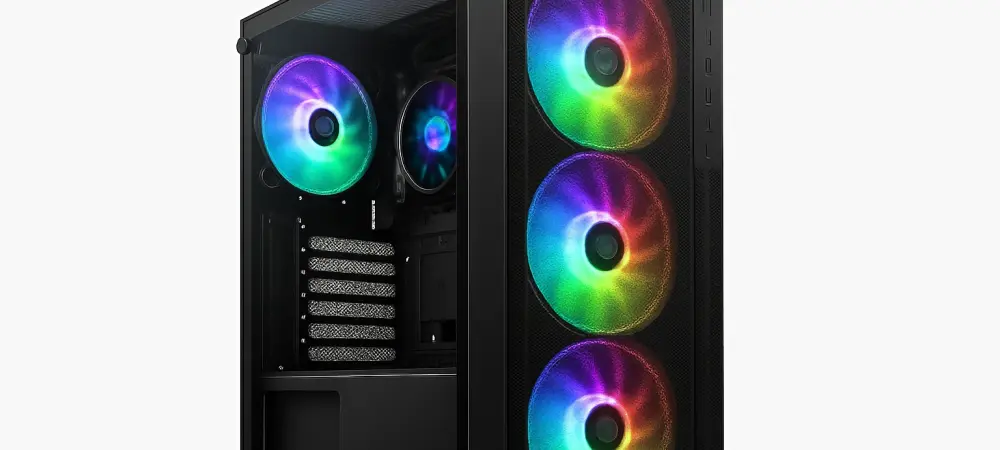
Imagine building a high-performance PC, only to struggle with overheating components and a cluttered, uninspiring case that hides your meticulously chosen hardware, leaving you frustrated. In a world where PC enthusiasts demand both functionality and flair, the GAMEMAX N90 mid-tower chassis emerges as a potential game-changer. Designed to address the dual needs of superior cooling and striking aesthetics, this chassis aims to redefine what a mid-tower case can offer. This review dives deep into its innovative features, assessing whether it truly delivers on its promise to blend cutting-edge design with practical performance for builders seeking a standout rig.
Design Innovation and Build Quality
Unique Dual-Chamber Architecture
The GAMEMAX N90 introduces a distinctive dual-chamber design, splitting the chassis into base and top sections. This separation optimizes airflow by allowing GPUs to draw cool air directly from the bottom, enhancing thermal efficiency for demanding setups. Such a structure not only tackles heat dissipation challenges but also sets the case apart visually in a crowded market.
Beyond performance, this floating layout creates a sense of depth and modernity, making the chassis a centerpiece for any desk setup. The intentional division ensures that critical components remain isolated from excess heat, a thoughtful touch for enthusiasts running high-end systems. This approach signals a shift toward designs that prioritize both form and function in equal measure.
Eye-Catching Aesthetic Elements
A standout feature is the 512-LED Dot Matrix Display integrated into the bottom chamber, offering real-time monitoring of GPU temperatures and CPU usage. Users can also customize visuals on this display, adding a personalized flair that goes beyond standard case designs. This element transforms the chassis into more than just a container, turning it into an interactive showcase.
Complementing this tech-forward feature, a walnut-grain decorative top panel with built-in ventilation adds an unexpected touch of elegance. Paired with panoramic dual-sided tempered glass panels, the N90 provides an unobstructed view of internal components, appealing to builders who take pride in their hardware’s appearance. These design choices elevate the case into a statement piece for any enthusiast’s workspace.
Hardware Support and Practical Features
Compatibility with High-End Builds
Engineered for power users, the N90 supports substantial hardware, accommodating GPUs up to 425 mm long and CPU coolers up to 185 mm tall. This generous clearance ensures compatibility with the latest high-performance components, catering to gamers and overclockers alike. Such capacity makes it a reliable choice for future-proofing builds over the coming years.
Additionally, native support for M-ATX ASUS BTF motherboards with rear connectors allows for a cleaner, wire-free look inside the main chamber. This focus on modern standards demonstrates an understanding of evolving hardware trends, ensuring the chassis aligns with cutting-edge setups. Builders looking to minimize visual clutter will find this integration particularly appealing.
Streamlined Cable Management
Cable organization is made effortless with multiple routing holes and a dedicated compartment behind the motherboard tray. This setup hides unsightly wires, maintaining a tidy interior that enhances both aesthetics and airflow. The attention to such details simplifies maintenance and upgrades for users of all skill levels.
Ease of assembly is further boosted by a tool-free design featuring quick-release panels. The modular dual-chamber layout also aids in installation, allowing components to be accessed without unnecessary hassle. These practical elements ensure that building or tweaking a system remains a frustration-free experience.
Cooling Efficiency and Customization Potential
Optimized Thermal Management
Cooling performance takes center stage with a 270-degree cooling layout, incorporating side-mounted fans and dedicated ventilation zones. This configuration ensures heat is effectively expelled, even during intense workloads or gaming sessions. The design prioritizes thermal regulation, a critical factor for sustaining hardware longevity.
The chassis comes equipped with six pre-installed Tornado Series ARGB/PWM fans, offering 81 selectable lighting modes for a vibrant look. These fans combine robust cooling with visual appeal, striking a balance that appeals to users who value both performance and style. Such integration reduces the need for aftermarket cooling solutions, providing value straight out of the box.
Personalization and Flexibility
Customization options abound, with support for vertical GPU mounting via an optional bracket and PCIe 4.0 riser cable. This feature caters to builders aiming for a unique display of their graphics card, enhancing the overall visual impact. Flexibility in orientation adds another layer of personalization to the build process.
Aesthetic versatility is further enhanced by an interchangeable wood-texture top panel, secured with a magnetic quick-release mechanism. This allows users to switch up the case’s style to match their preferences, blending tech with a touch of natural warmth. Such options ensure the chassis adapts to individual tastes without compromising on core functionality.
Pricing Strategy and Market Fit
The N90 is priced at $189 for the Black variant and $195 for White, positioning it as a premium yet accessible option in the mid-tower segment. This pricing reflects a commitment to delivering high-end features without alienating budget-conscious enthusiasts. It strikes a compelling balance for those seeking advanced design at a reasonable cost.
When compared to competitors, the chassis holds its own by offering a unique combination of cooling innovation and aesthetic appeal. Its value proposition lies in delivering features typically found in higher-priced models, making it a strong contender for builders prioritizing both performance and presentation. This strategic pricing ensures it appeals to a wide range of PC enthusiasts.
Potential Drawbacks and Considerations
While packed with innovation, the N90 may present a learning curve for first-time builders unfamiliar with features like the LED Dot Matrix Display. Navigating the dual-chamber layout might also require some adjustment for those accustomed to traditional designs. These aspects could initially slow down the assembly process for less experienced users.
Compatibility constraints may arise with non-BTF motherboards, potentially limiting options for some builders. Space for certain custom cooling solutions might also be restricted due to the unique structure. However, ongoing feedback from the community is being addressed by the manufacturer to mitigate such concerns over time.
Impact on PC Case Trends
The N90 serves as a benchmark for the direction of PC chassis design, merging aesthetic creativity with practical performance. Its emphasis on dual-chamber cooling and interactive displays hints at a growing trend toward multifunctional cases that double as visual statements. This approach could inspire other manufacturers to explore similar innovations.
Looking ahead, potential enhancements might include broader motherboard compatibility or the integration of smart features for automated system monitoring. The influence of this chassis on industry standards may push competitors to prioritize user-friendly designs alongside thermal efficiency. Its role in shaping future products will likely be significant as builders demand more from their cases.
Final Verdict and Next Steps
Reflecting on the evaluation, the GAMEMAX N90 proved to be a remarkable step forward in mid-tower chassis design, blending innovative cooling with standout aesthetics. Its dual-chamber structure delivered impressive thermal management, while features like the LED display and wood-texture panel added a unique charm. Despite minor hurdles for new builders, its robust hardware support and customization options made it a compelling choice for enthusiasts.
For those considering this chassis, the next step involves assessing specific build requirements against its unique layout and compatibility features. Exploring community forums for tips on maximizing the LED display’s potential is a practical move, as is staying updated on manufacturer patches for broader hardware support. As the PC building landscape continues to evolve, this chassis stands as a solid foundation for crafting a high-performing, visually striking rig that can adapt to emerging trends.