

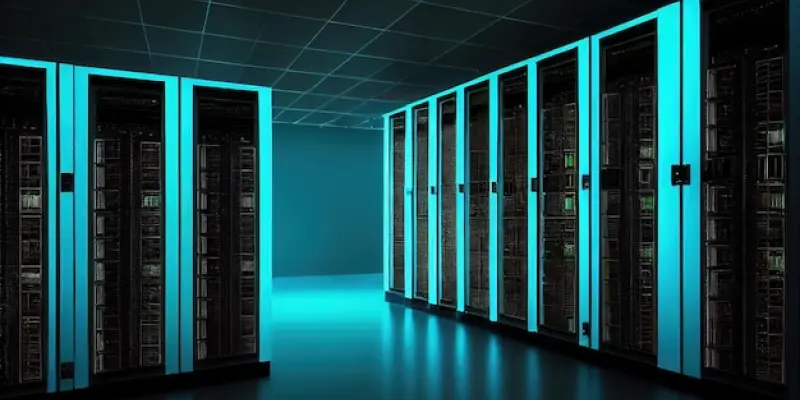
The construction and modernization of data centers have become crucial as we navigate the AI revolution. The importance of resilient and scalable electrical infrastructure has never been more pronounced. In today’s digital transformation, data centers serve as the structural backbone, much like concrete and steel in a building. AI technologies demand massive data processing capabilities, making robust electrical and digital infrastructures essential. Electrical contractors play a key role in ensuring these infrastructures can handle the ever-growing operational demands. Integrating high-capacity power systems, efficient cooling solutions, and adaptable frameworks is vital for the future.
Growing Electrical Power Requirements
To meet the surging AI workloads, data centers need unprecedented levels of computational power, driving energy consumption to record highs. Robust electrical infrastructure is crucial to power both servers and cooling systems, preventing overheating and ensuring optimal performance. As AI workloads continue to expand, the necessity for high-capacity power supply lines becomes clear. This infrastructure is fundamental not only for maintaining server performance but also for ensuring the stability of critical cooling systems that protect server integrity.
Continuous innovation in electrical systems is necessary to maintain consistent performance and maximize energy efficiency. Data centers must evolve to support the increasing power demands of AI applications. Developing more advanced power distribution methods and leveraging renewable energy sources can contribute to these goals. The shift towards sustainable energy solutions is not just a trend but a necessity in reducing overall operational costs and minimizing their environmental footprint. These advancements are vital to sustain the growing computational needs while adhering to environmental regulations and corporate sustainability goals.
Scalability
Scalability is essential as data centers must accommodate exponential growth without extensive overhauls. A robust digital infrastructure allows for the seamless integration of new technologies, which is critical for AI-driven environments. As AI technologies continue to evolve, so must the supporting data center infrastructure. This adaptability is key to integrating cutting-edge software and hardware innovations. Scalable infrastructures help organizations remain competitive by enabling them to adapt to evolving needs and by providing the flexibility to expand resources efficiently.
In practice, this means creating data centers with modular designs that allow for straightforward upgrades and expansions. Implementing scalable power and cooling solutions ensures that data centers can effortlessly grow in capacity. This foresight in infrastructure planning is crucial in an era where technological advancements are rapidly evolving. Organizations that invest in scalable solutions are better positioned to leverage new AI technologies without facing significant downtime or requiring extensive reconfigurations of their existing infrastructure.
Latency and Speed
AI applications rely on real-time processing and low-latency communication, necessitating advanced digital infrastructure and high-speed networking. Electrical contractors are integral in designing systems that support rapid data transmission. For AI to function effectively, data must be processed and transmitted almost instantaneously. This requirement places a heavy emphasis on reducing latency within the data center and across networks. The faster the data can be transmitted and processed, the more timely and accurate AI-driven insights and decisions become.
Low-latency interactions are especially crucial for AI-driven applications at the edge, such as IoT devices. Immediate data access and processing are essential for effective analytics and decision-making. Addressing latency involves optimizing network architectures and investments in high-speed networking components and protocols. Future data centers must prioritize low-latency configurations to support the burgeoning demands of AI applications. This focus ensures that organizations can capitalize on AI’s potential without being hindered by slow data processing or communication bottlenecks.
Reliability and Redundancy
Minimizing downtime in AI systems is crucial to prevent productivity losses. Robust electrical and digital infrastructures ensure the availability of backup systems, power supplies, and network paths, supporting continuous operation. The reliability of these systems underpins the effectiveness of AI applications. Organizations that depend on AI for critical business insights and operations simply cannot afford prolonged periods of inactivity or data unavailability.
Electrical contractors develop reliable systems that maintain operations without interruptions, which is essential for organizations dependent on AI for insights and decision-making. The focus on designing redundancy within the electrical and digital infrastructure involves creating failover mechanisms and ensuring uninterrupted power supply through various means, including UPS systems and backup generators. These measures guarantee that AI operations continue seamlessly even in the event of primary system failures, preserving the integrity and availability of critical data and processes.
Cooling Solutions
Advanced cooling solutions are vital as the density of AI workloads increases. Effective management of heat output through innovative cooling systems is essential for maintaining optimal conditions in data centers. As AI systems become more powerful, the amount of heat generated by these high-density environments also rises. Efficient heat management is crucial to prevent overheating, which can lead to performance degradation or hardware failures.
Seamlessly integrating cooling systems within the electrical infrastructure ensures data centers operate efficiently. Companies are investing heavily in R&D to develop cutting-edge, energy-efficient cooling technologies. Advances in cooling solutions include liquid cooling systems, which can more effectively dissipate heat compared to traditional air-cooling methods. These innovations are not just about managing heat but also about optimizing energy use to reduce overall operational costs. Efficient cooling solutions that combine sustainability with performance are key to future-proofing data centers.
Data Management
Effective digital infrastructure for storing, retrieving, and managing vast amounts of data is necessary for AI applications. Data centers must support the entire lifecycle of data, from ingestion and storage to the training and deployment of AI models. The ability to manage data effectively is a cornerstone of successful AI implementation. Efficient data management practices ensure that valuable data is not only readily accessible but also securely handled throughout its lifecycle, allowing organizations to derive maximum value from their data assets.
Implementing systems for comprehensive data lifecycle management enables organizations to fully leverage their data. These systems facilitate the seamless flow of data within the data center, enhancing the speed and efficiency of AI model training and deployment. Effective data management involves using advanced storage solutions that can handle large volumes of data while ensuring high availability and fast access times. Such systems are vital for AI-driven decision-making and insights, helping organizations maintain a competitive edge in their respective fields.
Security
The construction and modernization of data centers have become essential in the wake of the AI revolution. The significance of resilient and scalable electrical infrastructure is now more critical than ever. As we navigate the realm of digital transformation, data centers stand as the structural backbone, analogous to concrete and steel in building structures. AI technologies demand vast data processing capabilities, necessitating robust electrical and digital infrastructures. Electrical contractors are indispensable in ensuring these infrastructures can meet the ever-increasing operational demands. They integrate high-capacity power systems, efficient cooling solutions, and adaptable frameworks to future-proof data centers. The integration of these elements is vital in supporting the expansive demands AI places on data centers, ensuring they remain up to the task. The future of AI and data processing heavily relies on the efficiency and adaptability of data center infrastructure, underscoring the need for continuous improvement and innovation in this field.