

Strengthening the American Industrial Backbone Through Automation
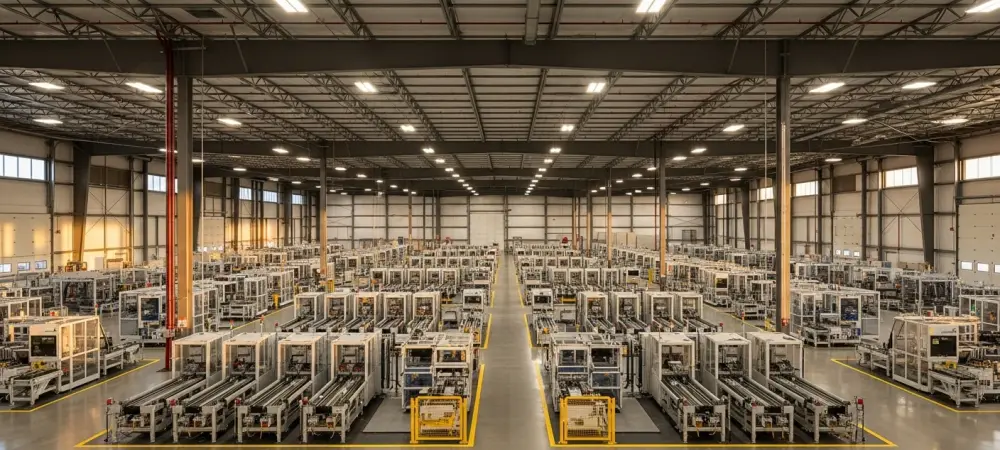
The massive physical footprint of the North American manufacturing sector is undergoing a profound transformation as industrial leaders prioritize regionalized production to insulate against global volatility. FANUC America has officially signaled its commitment to this evolution by announcing a $90 million investment in a new facility in Auburn Hills, Michigan. This 840,000-square-foot expansion is a strategic move to meet the surging demand for automation across the continent. As industries grapple with labor shortages and the need for higher precision, this project aims to shorten lead times and localize production. This analysis explores how the investment fits into a broader growth strategy, the technological shifts driving the market, and the critical role of workforce development.
A Legacy of Expansion: The Shift Toward Domestic Production
The current $90 million injection is a cornerstone of a long-term $300 million investment plan that has seen the company’s physical footprint grow to three million square feet. Historically, the robotics industry relied on centralized global manufacturing hubs, but recent disruptions in global supply chains have highlighted the necessity of regionalized production. By creating over 700 jobs in the Michigan area over the last several years, the organization has transitioned from an importer of technology to a domestic powerhouse of innovation. This historical pivot is essential for understanding the current landscape, where speed to market and local technical support have become primary competitive advantages for industrial automation providers.
Driving Growth: Innovation and Economic Evolution
The Economic Engine: The Global Robotics Market
The financial scale of this investment aligns with a global industrial robotics market that is on a steep upward trajectory, expected to grow significantly by 2030. This expansion is characterized by a high compound annual growth rate, driven by a paradigm shift in how companies acquire technology. The emergence of the “Robots-as-a-Service” (RaaS) model has democratized access to high-end automation, allowing small and medium-sized enterprises to lease advanced robotics without the burden of heavy upfront capital expenditures. This shift ensures a steady demand for hardware while creating a more flexible and resilient industrial economy.
Artificial Intelligence: A Catalyst for Operational Excellence
Beyond the physical hardware, the integration of artificial intelligence and machine learning is redefining the capabilities of the American factory floor. These technologies allow robots to move beyond pre-programmed paths, instead utilizing vast datasets for predictive maintenance and real-time decision-making. By identifying potential mechanical failures before they occur, AI-driven robotics significantly reduce downtime and improve workplace safety. Furthermore, the integration of large language models is beginning to bridge the communication gap between human operators and machines, making advanced robotics more accessible to a broader range of workers.
Sustainability: The Quest for Greener Manufacturing
A less discussed but equally vital aspect of the new facility and product line is the emphasis on sustainability. Modern robotics are increasingly designed to help companies meet strict environmental goals by minimizing waste and optimizing energy consumption. Through AI-driven path optimization, robots can now complete tasks using less power and fewer raw materials. This focus on “green automation” addresses a critical market need, as manufacturers face mounting pressure from both regulators and consumers to reduce their carbon footprints while maintaining high levels of productivity.
Anticipating the Next Wave: Industrial Transformation
Looking ahead, the robotics industry is poised for several disruptive shifts. Market watchers expect an increase in collaborative robots (cobots) that work seamlessly alongside humans, further blurring the line between manual labor and automation. Additionally, as regulatory frameworks around AI and data privacy evolve, industry leaders will likely lead the way in establishing standards for secure, networked factory environments. The move toward “dark factories”—fully autonomous facilities that require no lighting or climate control—may soon transition from a niche concept to a mainstream reality, further driving the need for sophisticated hardware produced at the new Michigan site.
Strategic Frameworks: Navigating the Automation Era
For businesses looking to capitalize on this investment, several strategies are paramount. First, companies should evaluate the RaaS model to lower the barrier to entry for new technology. Second, there must be a concerted effort to integrate AI diagnostics to move from reactive to proactive maintenance schedules. For the workforce, the new training academy represents a vital resource for upskilling; professionals should prioritize learning the software and maintenance side of robotics, as these high-value roles will be the most resilient against further automation. Emphasizing a “human-in-the-loop” approach will ensure that technology augments rather than replaces specialized knowledge.
Securing a Competitive Future: North American Manufacturing
This $90 million investment served as a definitive vote of confidence in the North American industrial sector. By combining massive physical infrastructure with cutting-edge AI and a dedicated training academy, the company addressed the three pillars of modern industry: capacity, technology, and talent. This holistic approach ensured that the expansion in Michigan was not just about building robots, but about fostering a sustainable ecosystem where American manufacturing could thrive. As the line between digital and physical work continued to thin, such investments remained the bedrock of global economic competitiveness and industrial resilience.