

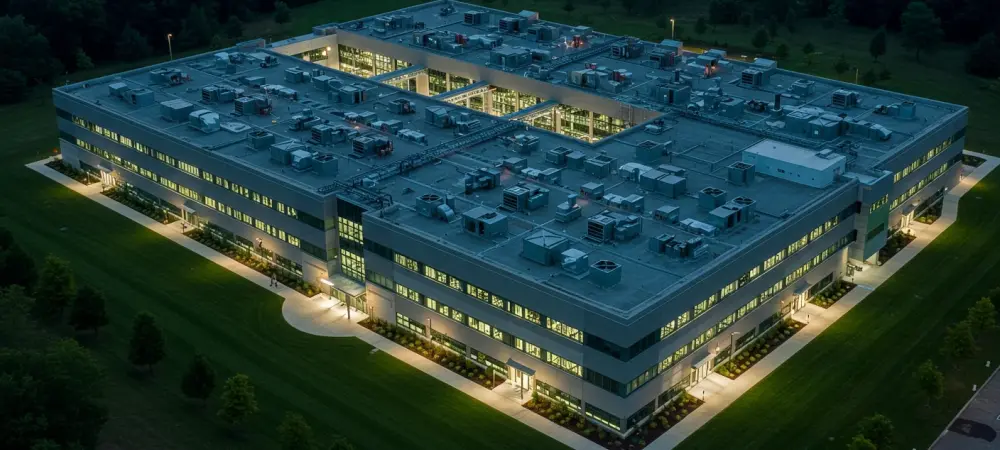
Imagine a small township south of Harrisburg, Pennsylvania, poised to become a pivotal player in the tech industry with a $500 million data center project on the horizon. Fairview Township’s recent zoning approval for this massive development by Fairview Crossroads LLC has sparked widespread interest and debate among industry experts, local stakeholders, and policymakers. This roundup delves into diverse opinions and insights surrounding the 750,000-square-foot facility, exploring its economic potential, community impact, and role in Pennsylvania’s broader digital infrastructure boom. The purpose here is to gather a spectrum of views, from enthusiastic endorsements to cautious critiques, providing a balanced look at what this project could mean for the region.
Diving into Expert Opinions on the Development
Economic Promise: A Game-Changer for the Township
Industry analysts have hailed the data center as a potential economic catalyst for Fairview Township. Many point to the projected $6 million in annual tax revenue as a significant boost that could fund local schools, infrastructure upgrades, and public services. A common sentiment among economic development specialists is that such projects attract ancillary businesses, potentially spurring growth in sectors like logistics and tech support.
Beyond revenue, job creation is another focal point of optimism. Experts in regional economics suggest that while data centers often require fewer permanent staff than traditional industrial facilities, the construction phase alone could employ hundreds of local workers over the next few years. Some also argue that the presence of a high-tech facility might draw skilled professionals to the area, enhancing the local talent pool.
However, not all perspectives are unequivocally positive. Certain financial advisors caution that over-reliance on a single large-scale project could pose risks if delays or operational challenges arise. They emphasize the importance of diversifying economic strategies to ensure stability, pointing out that tax revenue projections are not guaranteed and depend on the project’s timely completion.
Community Impact: Balancing Growth with Concerns
Local community leaders and resident advocacy groups offer a mixed bag of reactions to the zoning ordinance amendment approved by the Fairview Township Board of Supervisors. Many appreciate the strict conditions tied to the project, such as mandated noise studies and height setbacks within the Commercial and Industrial Business Zoning Districts. These measures are seen as a proactive step to minimize disruptions to nearby neighborhoods.
On the other hand, some township residents express apprehension about potential strains on infrastructure, particularly regarding power and utility demands. Community forums have highlighted fears of increased traffic and environmental impacts, with a few voices urging more transparent dialogue between developers and locals. These concerns reflect a broader desire for assurance that growth won’t come at the expense of quality of life.
A third perspective comes from urban planners who see this as an opportunity to set a precedent for responsible development. They advocate for ongoing community engagement, suggesting that regular updates and public input sessions could bridge the gap between developers and residents, ensuring that mitigation strategies for noise and other issues are effectively implemented.
Regional and Statewide Context: Where Does Fairview Fit?
Pennsylvania’s Data Center Surge: A Broader View
Policy analysts tracking Pennsylvania’s tech landscape note that Fairview Township’s project aligns with a statewide surge in data center investments. Many reference major commitments like Blackstone’s $90 billion pledge and CoreWeave’s $6 billion Lancaster development as evidence of the state’s growing appeal to tech giants. These experts argue that Fairview’s approval is a microcosm of a larger trend, positioning Pennsylvania as a competitive hub.
Differing views emerge when discussing regional disparities. Some industry observers highlight how local policies and energy resources shape project distribution, citing a potential 1.5GW facility in Lackawanna County as an example of varied growth patterns. They suggest that while Fairview benefits from proximity to Harrisburg, other areas might struggle to attract similar investments without comparable infrastructure support.
A more critical take comes from economic geographers who question the long-term sustainability of this rapid expansion. They warn that uneven development could exacerbate regional inequalities if smaller townships like Fairview become overly dependent on tech projects while lacking the resources to manage growth. This perspective calls for a more coordinated statewide strategy to balance progress.
Sustainability in Focus: Tech Meets Green Goals
Environmental consultants weigh in on the intersection of data center growth and sustainability, often pointing to initiatives like Google and Brookfield’s partnership for 3GW of clean hydroelectric power in Pennsylvania. Many view such efforts as a promising sign that the industry is moving toward greener practices, potentially setting a standard for projects like Fairview’s.
Contrasting opinions arise from energy policy experts who stress the challenges of scaling sustainable solutions. They note that while hydroelectric and renewable options are ideal, the sheer energy demands of data centers might still strain existing grids, especially in smaller locales. Some suggest that innovative cooling technologies could be a game-changer, but adoption remains inconsistent across projects.
A forward-looking viewpoint comes from tech sustainability advocates who speculate on future advancements. They envision a landscape where data centers integrate cutting-edge energy efficiencies, potentially reducing their environmental footprint. For Fairview, aligning with these trends could enhance the project’s appeal, though experts agree that local policies must incentivize such innovations from the outset.
Key Takeaways from Varied Voices
Reflecting on the diverse insights gathered, it becomes clear that Fairview Township’s $500 million data center project stirs a complex mix of excitement and caution among stakeholders. Economists celebrate the financial upside and job prospects, while community voices underscore the need to safeguard local well-being against infrastructure pressures. Statewide trends reveal both opportunity and disparity, with sustainability emerging as a critical lens through which to view this tech boom.
Looking back, the discussions highlight a shared recognition of Pennsylvania’s rising status as a digital infrastructure hub. For those eager to delve deeper, exploring reports on regional tech investments or engaging with local zoning boards offers valuable next steps. Another actionable path involves monitoring how Fairview and similar townships navigate the balance between economic gains and environmental responsibility, setting the stage for informed community participation in shaping this evolving landscape.