

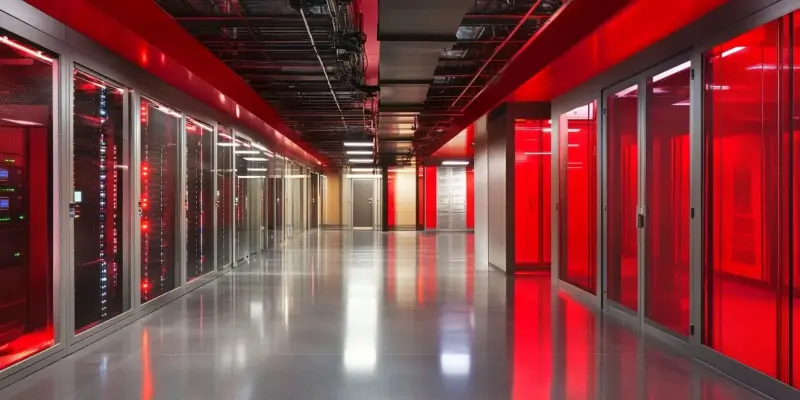
Data centers have become increasingly integral to the digital infrastructure that supports cloud computing, AI, and other technologies. This shift has prompted architects and developers to focus more on the external appearance and overall design of these facilities, balancing functionality with aesthetic appeal and community integration.
The Historical Perspective
From Utilitarian to Visible
Historically, data centers were viewed as utilitarian, low-visibility facilities, often designed with minimal architectural flourishes. However, the rise of AI and cloud computing has shifted public perception, bringing data centers into the spotlight and making them a topic of everyday conversation. As these vast, humming powerhouses of data become more integral to our daily lives, there’s a growing recognition that their physical presence needs to be more thoughtfully integrated into the urban fabric.
This paradigm shift is transforming the approach towards data center architecture, encouraging a design philosophy that emphasizes visibility and engagement with the surrounding environment.
Increasing Investment and Community Impact
There is a significant growth in data center construction, predicting global spending to reach nearly $50 billion by the end of the decade. As municipalities strive to attract data center developments, especially in highly visible or residential areas like Santa Clara, California, or Ashburn, Virginia, they adopt a more proactive stance regarding the aesthetic and environmental impacts of these buildings. This proactive approach isn’t merely about attracting investment but ensuring that data centers contribute positively to the community’s landscape.
Municipalities are becoming more discerning in their planning and approval processes, scrutinizing proposals for their architectural merit, environmental sustainability, and social impact. This expanded role of local governments highlights the necessity of savvy, forward-thinking designs that meet the needs of both technology providers and the communities hosting these facilities.
Stakeholder Collaboration and Resource Usage
The Role of Different Stakeholders
As data centers draw more attention, questions about resource usage, including power, water, and land, have become more prominent. Balancing these varied interests requires a multifaceted approach that addresses the technical, regulatory, and social aspects of data center construction.
Modular and Versatile Designs
Cameron Lassiter, Aligned Data Centers’ director of architectural design, explains that the industry is seeing a move towards modular and versatile designs, which streamline construction, reduce deployment times, and enhance flexibility to adapt to changing business needs and technological advancements. Modular designs offer significant benefits in the face of unpredictable technological landscapes and evolving client demands.
Regional Trends and Community Feedback
Expressive Designs in Asia, the Middle East, and Europe
The appetite for more expressive and progressive data center designs has been particularly noticeable in Asia, the Middle East, and Europe. In regions leading this design revolution, data centers are not just functional buildings but architectural statements that reflect their technological prowess and social consciousness.
Initial Conversations and Site Logistics
Kristen Vosmaer, managing director of data center work dynamics at JLL, underscores that initial conversations about data center design take place during the due diligence stage of development. At this stage, stakeholders evaluate site logistics, including power and fiber access, regulatory requirements, and the potential community impact.
Innovative Examples and Zoning Changes
Telehouse TN2 Data Center in London
An example of this trend is the Telehouse TN2 data center in London’s Canary Wharf. Designed by StudioNWA for the Telehouse Corporation, the building features cladding that mimics a microchip, adding a unique design element to the area.
Community Resistance and Zoning Changes
Tom Kruger, vice president and project manager at architecture and design firm Corgan, observes that communities often resist stark concrete box designs, prompting zoning changes that mandate improved aesthetics and functionality. This trend underscores the importance of proactive engagement with local stakeholders during the planning phases of data center projects.
Marketing and Cost Considerations
Architecture as a Marketing Tool
For colocation data centers supported by major developers and tech companies, architecture serves as a significant marketing tool. Developers aiming to lease these facilities recognize the importance of creating appealing spaces that attract potential tenants, especially those needing to recruit talent.
Cost Structure and Practical Approaches
Despite the enhancements in design, architecture typically constitutes a small fraction of the overall cost of data center construction. Practical approaches include integrating solar panels as aesthetically pleasing façade elements and using green walls and high-quality glass components to balance efficiency with environmental considerations.
Hybrid Construction Models and Urban Challenges
Gensler’s Work with Microsoft
One innovative example is Gensler’s work with Microsoft in Virginia, where two data centers are being built using a hybrid construction model of cross-laminated timber (CLT) and steel and concrete components. The exteriors feature bronze-colored steel panels in a barcode-like application.
Urban Settings and Dynamic Features
As the demand for these technologies grows, the role of data centers has expanded significantly.
This evolution has influenced architects and developers to pay greater attention to the external appearance and overall design of these facilities.
The design and construction of data centers now often consider the visual impact on the landscape, energy efficiency, and even sustainable building practices. This shift is driven by a broader awareness of environmental impacts and a desire to create harmonious urban spaces. By merging form with function, modern data centers aim to serve technological needs while enhancing their surroundings.