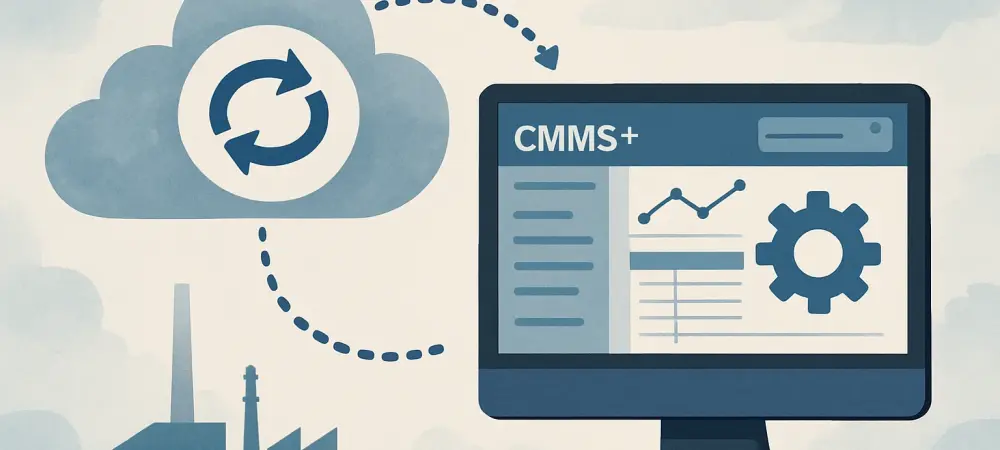
The traditional enterprise resource planning landscape often resembles a labyrinth where ambitious organizations find themselves wandering through years of integration cycles without reaching a tangible destination. This phenomenon, frequently described as implementation fatigue, occurs when the momentum of a digital
The merger highlights a critical need for businesses to adopt automated environments that can handle the volatility of modern global supply chains. As small and medium-sized enterprises grapple with increasingly complex logistics and shifting consumer demands, the consolidation of technology
Deeper Sections Await
Picture a high-stakes ERP implementation where millions of dollars and countless hours hinge on a single factor: user readiness. In the complex world of Microsoft Dynamics 365 Finance and Operations (D365 F&O), a staggering number of projects falter not due
Imagine a manufacturing floor where deadlines are consistently met, supply chain hiccups are anticipated before they strike, and customer satisfaction soars without constant firefighting. This isn’t a far-off dream but a reality shaped by predictive planning technology. In an era
Browse Different Divisions
Picture a high-stakes ERP implementation where millions of dollars and countless hours hinge on a single factor: user readiness. In the complex world of Microsoft Dynamics 365 Finance and Operations (D365 F&O), a staggering number of projects falter not due
Imagine a manufacturing floor grinding to a halt because a critical component didn’t arrive on time, while sales teams remain unaware of the delay, promising impossible delivery dates to frustrated customers. This scenario plays out daily across countless businesses, where
Imagine a global retailer scrambling to manage inventory across multiple continents, only to find their outdated systems can’t keep pace with real-time demand shifts. This scenario underscores a pivotal challenge in today’s business landscape: selecting the right ERP deployment model
Imagine a manufacturing plant grinding to a halt because a critical machine fails unexpectedly, costing thousands in lost production time while maintenance teams scramble for parts and approvals. This scenario is all too common in industries reliant on equipment, facilities,
Imagine a customer support team drowning in a sea of emails, phone calls, and unresolved tickets, struggling to keep pace with escalating demands while customers grow frustrated with delayed responses. This chaotic scenario is all too familiar for many businesses
Imagine a manufacturing floor where deadlines are consistently met, supply chain hiccups are anticipated before they strike, and customer satisfaction soars without constant firefighting. This isn’t a far-off dream but a reality shaped by predictive planning technology. In an era
Browse Different Divisions
Uncover What’s Next
B2BDaily uses cookies to personalize your experience on our website. By continuing to use this site, you agree to our Cookie Policy