

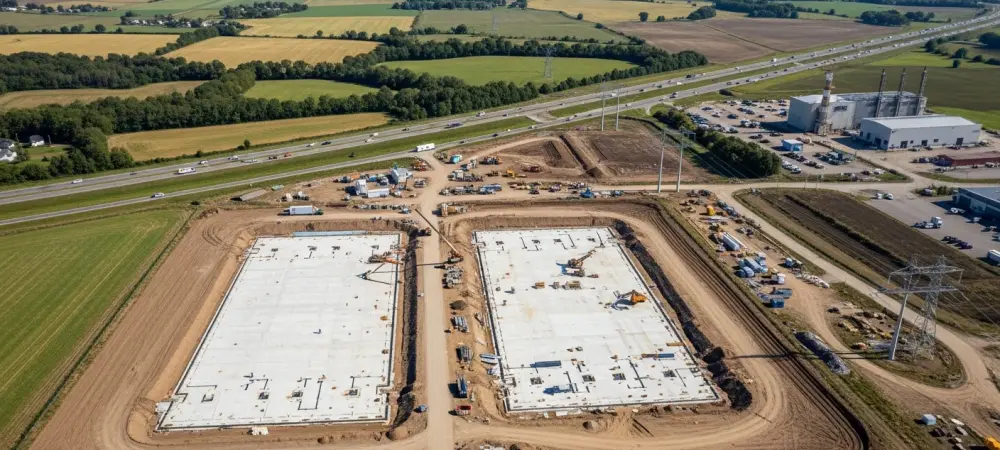
The rapid expansion of digital infrastructure is fundamentally reshaping the landscape of Central Texas as global demand for high-capacity computing continues to soar. Caldwell County is currently witnessing a massive transformation with the official filing of plans for Edged Austin, a colossal data center campus designed to meet the evolving needs of the technology sector. This project represents more than just a local development; it is a multi-billion dollar commitment to the future of the regional economy and the broader digital ecosystem.
The objective of this exploration is to address the primary questions surrounding this significant investment and its long-term implications for the Austin area. Readers can expect to learn about the specific scale of the construction, the financial commitments involved, and how this facility fits into the larger global strategy of its developer. By examining the technical and economic facets of the site, this overview provides clarity on why this specific location was chosen and what the timeline looks like for its completion.
The Scope of Digital Infrastructure Growth
What Is the Total Investment for the Edged Austin Campus?
The financial commitment required to bring a project of this magnitude to life is staggering, reflecting the critical importance of reliable data storage and processing power. Edged, operating under the Endeavour umbrella, has outlined a roadmap that begins with an initial $2.8 billion expenditure to establish the primary site. This foundational phase is necessary to secure the essential hardware and facilities needed to support modern enterprise workloads. As the development progresses toward full capacity, the total investment is projected to reach approximately $7.3 billion. This massive sum covers the construction of two primary buildings that will eventually span over two million square feet. Local officials have recognized the economic potential of such a project, moving quickly to approve tax abatements that facilitate this level of capital infusion into Caldwell County.
How Does the Construction Timeline and Site Location Benefit the Project?
Location is everything in the world of high-capacity computing, and the Maxwell site was selected for its proximity to essential utilities and major metropolitan hubs. Situated on a 330-acre plot, the campus sits near the 380MW LCRA Timmerman Power Plant, ensuring access to a robust energy supply. This strategic placement allows the facility to serve both Austin and San Antonio, capitalizing on the industrial corridor that is quickly becoming a preferred home for major data firms. Work on the first phase, which features a single-story facility of nearly 870,000 square feet, is scheduled to commence in June 2026. Developers anticipate that this initial stage will reach completion by mid-2028, providing a significant boost to local labor demands during the construction period. This phased approach allows the company to scale its operations in alignment with market growth while ensuring the infrastructure remains cutting-edge.
What Is the Global Strategy Behind This Texas Expansion?
The Austin project is not an isolated endeavor but rather a key component of a broader, aggressive expansion strategy across North America and Europe. In Texas, the firm has already established a strong presence by launching a 24MW facility in Irving earlier this year and initiating plans for a second building at that same location. Additional sites near Fort Worth are also under review, signaling a long-term interest in the state’s favorable business climate and growing tech talent pool.
Beyond the borders of the United States, the developer maintains an active portfolio in several European nations, including Spain and Portugal. By diversifying its assets across different regions, the company mitigates risks and positions itself as a versatile provider of digital infrastructure. This global footprint ensures that the firm can meet the rising demands of international clients while maintaining the localized power and connectivity required for high-performance computing.
Summary of Key Insights
The emergence of the Edged Austin campus highlights a significant shift in industrial priorities toward the outskirts of major Texas cities. With a potential $7.3 billion price tag and a massive footprint in Maxwell, the project solidifies Caldwell County as a burgeoning hub for technological innovation. The proximity to the LCRA power plant and the strategic timeline from 2026 to 2028 underscore a calculated effort to build resilient infrastructure. These developments reinforced the notion that the region is no longer just a suburban neighbor to Austin but a primary driver of the global digital economy.
Future Considerations and Regional Impact
Looking ahead, stakeholders should consider how this influx of infrastructure will influence local energy grids and future zoning regulations in surrounding counties. As the first phase nears its 2028 completion, the focus will likely shift toward sustainable power integration and the long-term maintenance of such massive facilities. Industry leaders and local residents alike must evaluate the balance between rapid economic growth and the preservation of regional resources. Embracing these high-tech neighbors required a proactive approach to urban planning and utility management that will define the area for decades.