

Introduction
Imagine a small township buzzing with concern as a massive 750-acre data center project threatens to alter its landscape, only to witness the power of collective voices halting it in its tracks. In Dundee Township, Michigan, a proposed development by Cloverleaf Infrastructure sparked intense local opposition, ultimately leading to the project’s withdrawal. This scenario underscores the critical role of community engagement in shaping industrial initiatives. The purpose of this FAQ is to address the key questions surrounding this controversy, offering clarity on why the project failed and what it means for similar developments. Readers can expect to gain insights into the dynamics of public backlash, the impact of communication missteps, and the broader implications for infrastructure planning.
The scope of this discussion focuses on the specific events in Dundee, including the village council’s decisive actions and Cloverleaf’s response to the opposition. By exploring these elements, the aim is to provide a comprehensive understanding of how local sentiment can influence large-scale projects. This FAQ will serve as a guide for those curious about the intersection of community power and corporate accountability in modern development.
Key Questions or Topics
What Was the Cloverleaf Data Center Project in Dundee Township?
The proposed data center by Cloverleaf Infrastructure in Dundee Township, Michigan, was an ambitious plan to develop a 750-acre site into a major technological hub. Such projects are often seen as economic boosters, promising job creation and infrastructure upgrades. However, they also raise concerns about resource allocation, environmental impact, and community disruption, which became central issues in this case.
Understanding the scale of this proposal is crucial, as data centers require significant resources like water and energy, often straining local supplies. In Dundee, the project’s dependency on village water resources became a flashpoint for residents already wary of external development. The initiative, backed by a company that raised $300 million in recent funding, highlighted the tension between corporate goals and local priorities.
Why Did the Dundee Community Oppose the Project?
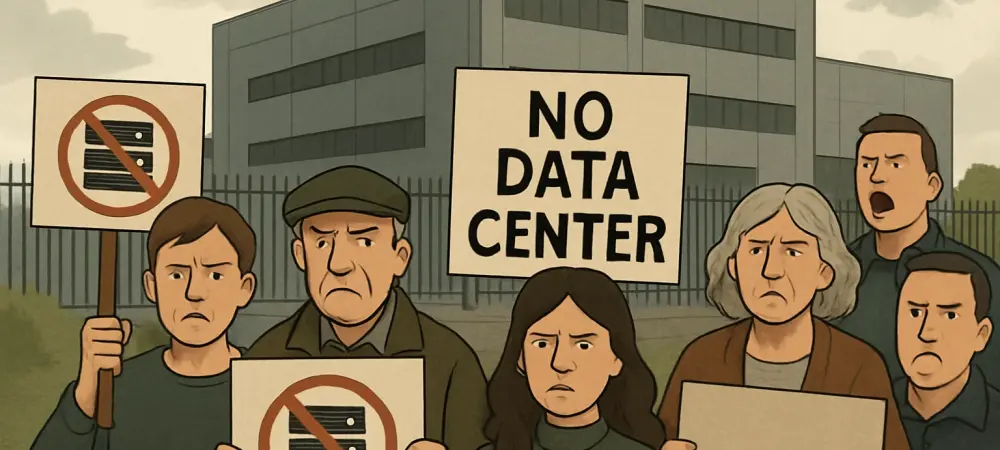
Opposition to the data center stemmed from deep-rooted concerns among Dundee residents about the potential strain on local resources and the lack of transparent dialogue with Cloverleaf. A large turnout of protesters at a village meeting demonstrated the breadth of discontent, with many fearing the project would disrupt their way of life without offering tangible benefits. Dundee Village President Tim Bordine noted that the vast majority of feedback was negative, with only a small fraction showing any support.
Misinformation further fueled the backlash, as Bordine estimated that 95 percent of the circulating information about the project was inaccurate. This created a climate of distrust, where residents felt their voices were ignored in favor of corporate interests. The community’s unified stance sent a clear message that without proper engagement, even well-funded initiatives could face insurmountable hurdles.
How Did the Dundee Village Council Respond to the Opposition?
Faced with overwhelming resident pushback, the Dundee Village Council took decisive action by voting against providing essential water resources for the data center. This decision, coupled with a similar stance from Monroe County, effectively blocked the project’s ability to move forward. The council’s vote reflected a commitment to prioritizing community sentiment over potential economic gains.
This outcome was not merely a procedural step but a powerful statement on the importance of local governance in safeguarding resident interests. By denying water access, the council ensured that the project could not proceed without addressing the fundamental concerns raised by the township. It marked a critical turning point, demonstrating how local authorities can wield significant influence over external developments.
What Was Cloverleaf Infrastructure’s Reaction to the Backlash?
Prior to the council’s vote, Cloverleaf Infrastructure chose to withdraw its pre-development agreement, acknowledging significant missteps in handling community engagement. In a letter to the council, Development Principal Michael Evans expressed regret, admitting that the company failed to prioritize public communication and feedback before advancing the agreement. This move came amid growing negative press and heightened concerns from township and village staff.
While Cloverleaf’s acknowledgment suggests a willingness to learn from this experience, it also highlights the costly consequences of overlooking community input. The company, which continues to pursue other data center projects across the US, such as a large campus in Georgia and a site in Port Washington, Wisconsin, may apply these lessons in future endeavors. However, uncertainty remains about whether the Dundee site will be revisited under improved conditions.
What Broader Lessons Can Be Learned from This Controversy?
The Dundee case exemplifies the power of community opposition in shaping the fate of large-scale infrastructure projects, especially when public engagement is inadequate. It reveals how quickly distrust can escalate when residents feel excluded from decision-making processes, leading to organized resistance that can derail even well-resourced plans. The consensus among Dundee residents was a firm rejection, driven by unaddressed concerns and amplified by misinformation. This situation also underscores the necessity for companies to build trust through transparency and early dialogue with local stakeholders. Cloverleaf’s experience serves as a cautionary tale for other developers, emphasizing that financial backing alone cannot guarantee success without community buy-in. The broader implication is a reminder that sustainable development requires balancing economic ambitions with social accountability.
Summary or Recap
This FAQ captures the essential facets of the Cloverleaf data center controversy in Dundee Township, addressing the project’s scope, the reasons behind community opposition, the council’s pivotal role, Cloverleaf’s response, and the wider lessons learned. Key takeaways include the undeniable influence of local sentiment in halting industrial initiatives and the critical need for transparent communication from the outset. The events in Dundee highlight how misinformation and lack of engagement can create a hostile environment for developers, regardless of their resources or intentions.
The narrative reflects a balanced perspective, presenting both the community’s firm stance and Cloverleaf’s regret over mishandling the situation. It emphasizes the importance of early public involvement to prevent similar setbacks in other regions. For those seeking deeper exploration, resources on community advocacy in urban planning or case studies on data center developments in other states may provide valuable context.
Conclusion or Final Thoughts
Reflecting on the events in Dundee Township, it became evident that the clash between Cloverleaf Infrastructure and local residents reshaped the trajectory of a significant project. The community’s unified resistance, paired with the council’s firm decision, underscored a pivotal moment where local voices prevailed over corporate plans. This outcome served as a stark reminder of the consequences of neglecting stakeholder engagement. Moving forward, developers and policymakers should consider adopting proactive strategies, such as hosting public forums or establishing clear communication channels before initiating projects. For communities, the Dundee case offered inspiration to remain vigilant and organized when facing large-scale developments. Ultimately, this controversy illuminated a path toward more collaborative and inclusive approaches in balancing progress with public interest.